The Connection Between Jaw Development and Speech
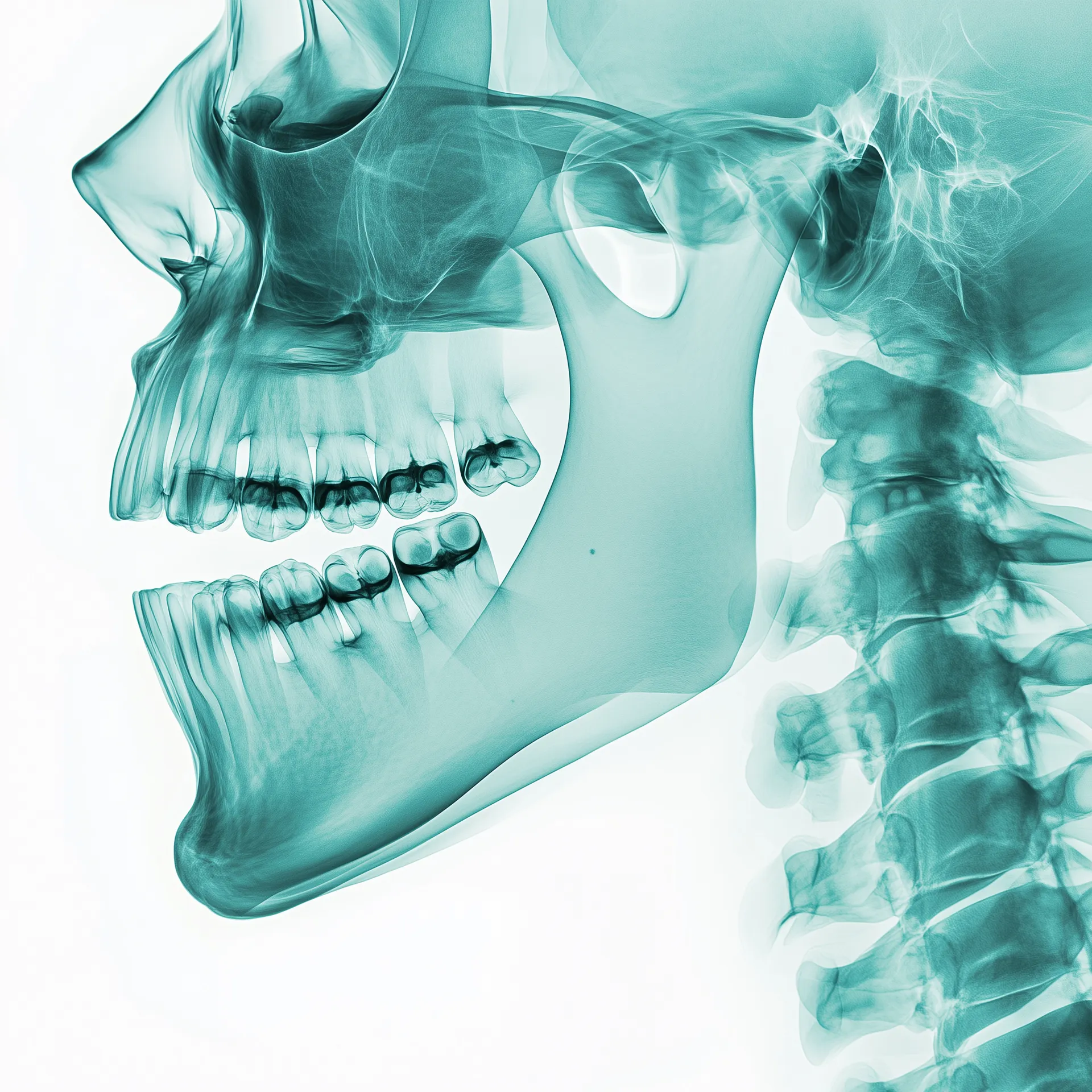
When we think about speech development, we often focus on language skills and pronunciation practice. However, many parents and even some healthcare professionals overlook a critical factor—jaw development. The alignment of a child’s jaw directly influences their ability to produce clear, accurate sounds, impacting not only speech clarity but also other essential functions like swallowing, eating, and breathing.
How Jaw Development Affects Speech
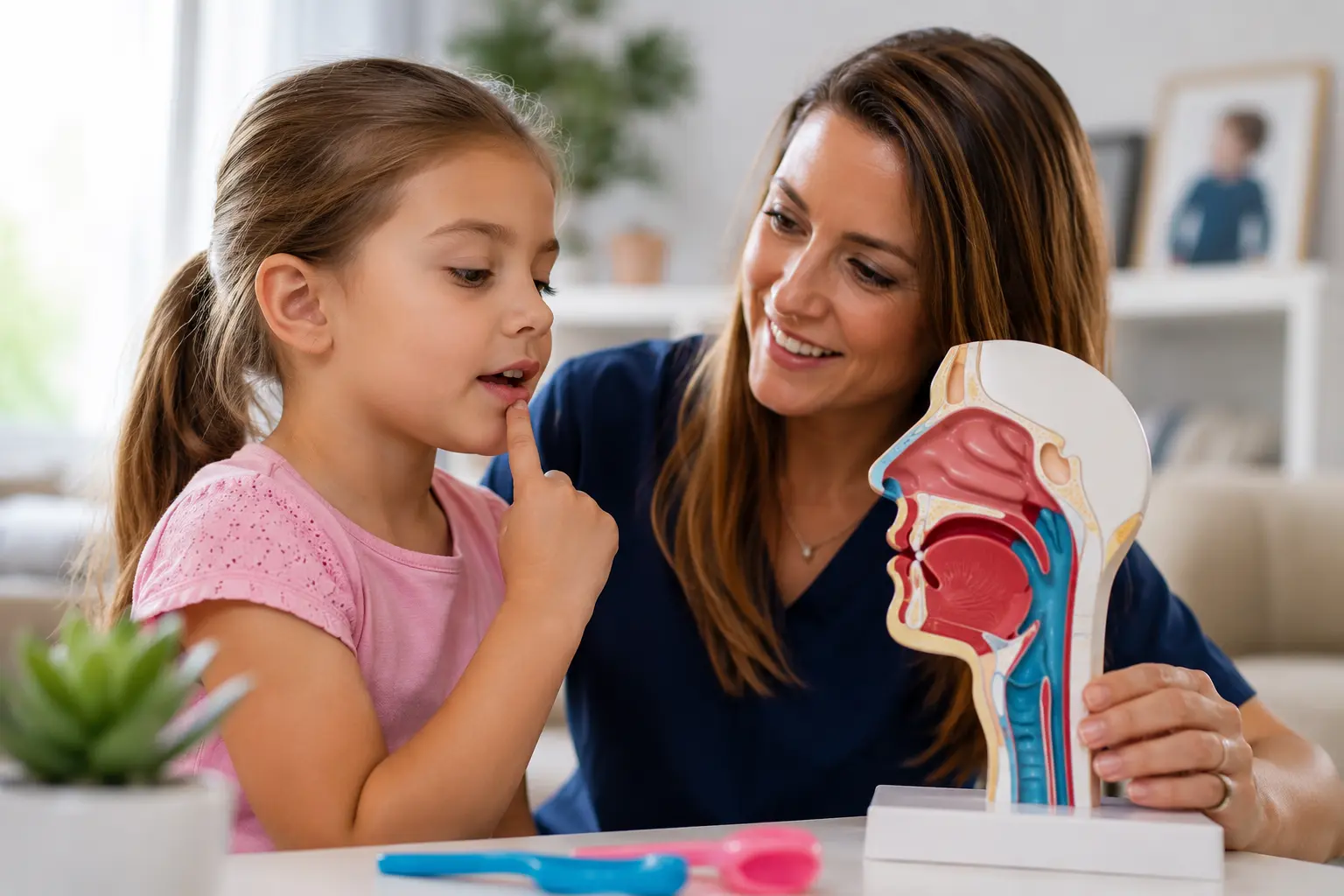
The jaw plays a crucial role in supporting the tongue’s movements and positioning. When a child’s jaw is underdeveloped or misaligned, the tongue may not rest properly on the roof of the mouth. This can create difficulties in forming sounds, leading to speech impediments such as lisps or unclear articulation. Some of the most common effects include:
- Slurred or unclear speech – Poor jaw alignment can make it harder for children to form certain sounds, resulting in articulation issues.
- Difficulty with certain sounds – Some children struggle to pronounce sounds like “s,” “sh,” or “th” due to improper tongue placement.
- Delayed speech development – Children with jaw issues may experience delays in learning to speak clearly and confidently.
- Mouth breathing and its impact – If a child breathes primarily through their mouth due to a small or misaligned jaw, it can lead to weaker oral muscles, further impacting speech development.
The Social and Emotional Impact
Speech difficulties caused by improper jaw development don’t just affect communication; they can also have lasting emotional and social effects. Children who struggle with articulation may become self-conscious about their speech, leading to decreased confidence in social situations. Over time, this can impact their participation in classroom discussions, friendships, and even self-esteem.
Additionally, frustration from not being understood can lead to behavioral challenges. A child who is constantly asked to repeat themselves or who struggles to express their thoughts may withdraw from conversations or avoid speaking altogether.
The Link Between Jaw Development and Other Functions
Beyond speech, jaw development is essential for overall oral and airway health. If left untreated, an underdeveloped jaw can contribute to:
- Swallowing difficulties – Poor jaw alignment can affect how a child chews and swallows food, potentially leading to digestive issues.
- Breathing problems – A smaller airway due to improper jaw growth can result in mouth breathing, snoring, and even sleep-disordered breathing conditions like sleep apnea.
- Misaligned teeth and orthodontic issues – Crowded or crooked teeth are often a sign of underlying jaw development problems, which can require extensive orthodontic treatment later in life.
How Myofunctional Therapy Can Help
The good news is that improper jaw development can be addressed early with myofunctional therapy. At MyoWay, we specialize in guiding proper jaw and airway development through customized therapy programs. Myofunctional therapy focuses on:
- Strengthening oral muscles
- Encouraging proper tongue posture
- Promoting nasal breathing
- Supporting natural jaw growth to optimize speech, breathing, and overall health
By addressing the root cause of speech difficulties, myofunctional therapy helps children build strong oral foundations that set them up for clear communication and improved well-being.
Early Intervention is Key
If your child shows signs of speech difficulties, frequent mouth breathing, or struggles with chewing and swallowing, it’s essential to assess their jaw development. Early intervention can prevent long-term complications and support their speech clarity, confidence, and overall health.
At MyoWay, we’re here to help. Contact us today to learn how myofunctional therapy can benefit your child!