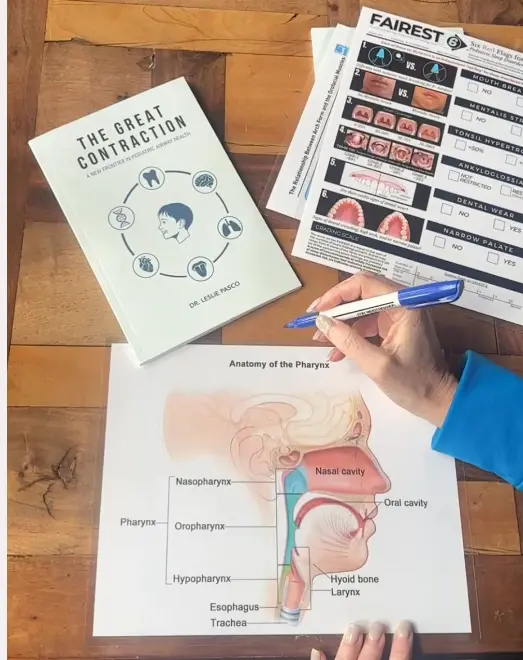

Mouth breathing is more than just a habit—it is a red flag that your child may be developing poor oral and facial patterns that can impact their long-term health. Many parents are surprised to learn that something as simple as breathing through the mouth can trigger a cascade of effects that lead to misaligned teeth, poor jaw growth, and even sleep or behavior issues.
In this article, we will explore how mouth breathing influences facial development, why early intervention matters, and what you can do to help your child thrive.
What Happens When a Child Breathes Through the Mouth
When a child breathes through the mouth, the lips remain open, and the tongue drops to the bottom of the mouth. This seemingly minor posture shift leads to a ripple effect in the way the muscles and bones in the face and mouth function.
One of the most common consequences is the development of a reverse swallow. This is when the tongue moves forward instead of pressing upward during swallowing. Over time, this incorrect pattern can become deeply ingrained and cause further issues.
The Development of Poor Myofunctional Habits
Reverse swallowing is just one example of a broader group of issues called poor myofunctional habits. These habits include mouth breathing, incorrect tongue posture, and abnormal swallowing patterns.
These dysfunctional patterns create improper forces in the mouth. As the tongue and lips are no longer guiding the growth of the jaws and teeth correctly, the result can be:
- Crowded teeth
- Misaligned bites
- Narrow dental arches
- Elongated facial structure
These changes become even more significant during the critical periods of facial growth that occur in childhood.
Why Timing Matters: The Impact on Growing Faces
The growing face is highly influenced by functional habits. When myofunctional habits are correct—such as nasal breathing, lips closed, and tongue resting on the palate—the jaws grow wide and forward. This allows the airway to develop fully and the teeth to come in with adequate space.
When a child consistently breathes through the mouth or swallows incorrectly, the opposite occurs. The upper jaw may become narrow, and the lower jaw may fall backward. This not only affects appearance but also has the potential to compromise the airway, which in turn can lead to poor sleep, fatigue, and even behavior concerns.
Early Intervention Through Myofunctional Therapy
The good news is that these patterns can be addressed early through a structured myofunctional therapy program. At MyoWay Center for Kids, we use medical-grade appliances and targeted exercises to help retrain the muscles of the face, lips, and tongue. Our approach supports proper growth and development while correcting dysfunctional habits.
By restoring nasal breathing and promoting proper oral posture, we can help prevent or reduce the need for future orthodontic treatment, improve sleep quality, and support better overall health.
Signs Your Child May Need Help
Not sure if your child is affected by poor myofunctional habits? Watch for these signs:
- Snoring or noisy breathing during sleep
- Mouth open during the day or night
- Difficulty eating or swallowing
- Crooked or crowded teeth
- Restless sleep or frequent waking
- Difficulty concentrating or hyperactivity
These signs can be subtle but are often the early indicators of poor oral function and developing malocclusion.
Take the First Step Toward Better Health
Understanding the connection between mouth breathing and facial development can empower you to make informed decisions for your child’s future. Myofunctional therapy offers a proactive and natural approach to support your child’s breathing, growth, and long-term well-being.
If you suspect your child may be struggling with these issues, we invite you to schedule a free consultation with our team.
https://mychart.myoryx.com/patient/#/auth/onlineschedule?realm=myoway&univers=com