REGISTER NOW for Dr. Leslie webinar & learn why your child may be a candidate.

Why I Use the Same Oral Appliances I Recommend to Children

As a dentist, an orofacial myologist, and a certified Buteyko breathing instructor, I’ve spent years studying how the muscles of the face and mouth impact a child’s ability to breathe, eat, and grow properly. 

At MyoWay Center for Kids, we’re not just focused on teeth—we’re focused on total facial and airway development.
And here’s something unique: I’m not just the founder of MyoWay. I’m also a patient.

The Power of Functional Muscle Development

The muscles in your child’s face do much more than create expressions. They help shape the bones of the face, guide proper tongue posture, and influence how your child breathes—especially during sleep.

When these muscles are weak or misused (often due to habits like mouth breathing or thumb sucking), it can lead to:

  • Underdeveloped jaws
  • Narrow airways
  • Snoring or restless sleep
  • Speech or feeding issues

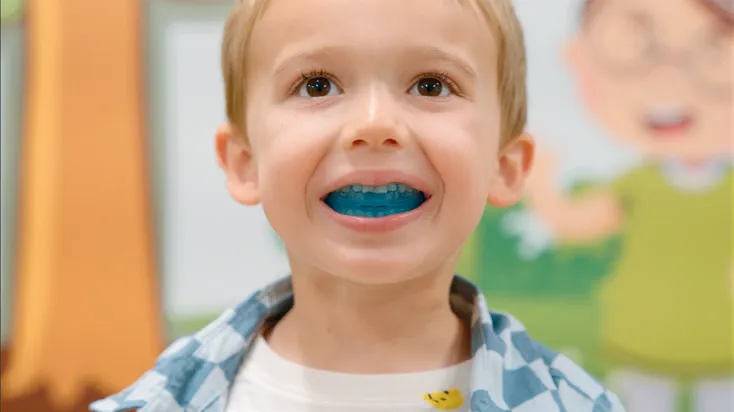
At MyoWay, we use targeted appliances to activate and strengthen these vital muscles. These aren’t traditional braces or bulky gear—they’re medical-grade tools designed to encourage natural growth and function.

Why I Use These Appliances Too

As a clinician, I strongly believe in practicing what I preach. That’s why I personally use many of the same myofunctional appliances we give to children.

Why? Because facial muscles need to be exercised just like any other muscles in the body. Consistent use of these tools helps me maintain optimal muscle tone, jaw position, and nasal breathing—something that benefits both children and adults alike.
This approach isn’t just for correcting problems. It’s for optimizing lifelong health.

From Expertise to Empathy: Why It Matters

Parents often ask me, “Do these appliances really work?” And I can honestly say—yes. I’ve experienced the benefits firsthand. That’s why I’m so passionate about offering these solutions to children at an early stage when their growth potential is greatest.
Whether your child is snoring at night, showing signs of ADHD-like symptoms, or struggling with proper tongue posture, early intervention can make a huge difference.

Take the First Step Toward a Healthier Future

At MyoWay, we’re not here to just fix symptoms—we’re here to empower parents with solutions that support their child’s growth, health, and confidence.

Let’s work together to help your child breathe better, sleep better, and thrive.

👉 Book a free consultation today:
https://mychart.myoryx.com/patient/#/auth/onlineschedule?realm=myoway&univers=com


Related Post

mother and child looking frustrated

Can Attention Challenges Be Related to Sleep?

Many families are told their child may have attention deficit hyperactivity disorder after noticing struggles with focus, behavior, school performance, or emotional regulation. These concerns are real, and parents deserve thoughtful answers. At the same time, there is one important question that is often missed early in the conversation. How is that child breathing and […]
child climbing on the kitchen counter

When Bad Behavior Is Really a Sign of Reactivity in Children

Some children are not trying to be difficult. Some children are struggling to pause, process, and respond calmly in the moment. What looks like defiance on the surface may actually be a sign of poor regulation, poor sleep quality, mouth breathing, or underdeveloped airway function. For many families, this shift in understanding changes everything. At […]

Why Palatal Expansion Is Only Part of the Airway Story

Many parents feel hopeful when they hear that a palatal expander can create more space in their child’s mouth and airway. For families concerned about mouth breathing, snoring, restless sleep, or crowded teeth, expansion can sound like the full answer. It is an important step, but it is not the whole story. At MyoWay Centers […]

High-Signal Pediatric SRBD Risk Screener

Purpose: This rapid screener focuses on 10 clinically significant symptoms of Sleep-Related Breathing Disorders (SRBD) in children, providing a quick assessment of high risk.

Instructions: Please choose the option that best describes your child's behavior for each question.
1. Does your child snore?
2. Does your child often sleep with their mouth open, or appear to be a 'mouth breather' during the day?
3. Has your child had recurrent or chronic tonsillitis or been told they have enlarged tonsils/adenoids?
4. Does your child grind their teeth (bruxism) or clench their jaw during the night?
5. Does your child sweat excessively during sleep?
6. Is your child restless in bed, often changing positions, or sleeping in unusual positions?
7. Does your child wake up during the night after falling asleep?
8. Does your still child wet the bed regularly?
9. Is your child abnormally tired, drowsy, or irritable during the day?
10. Is your child's concentration or attention span noticeably poor, leading to problems at school or home?