The Hidden Cognitive Risks of Disordered Breathing
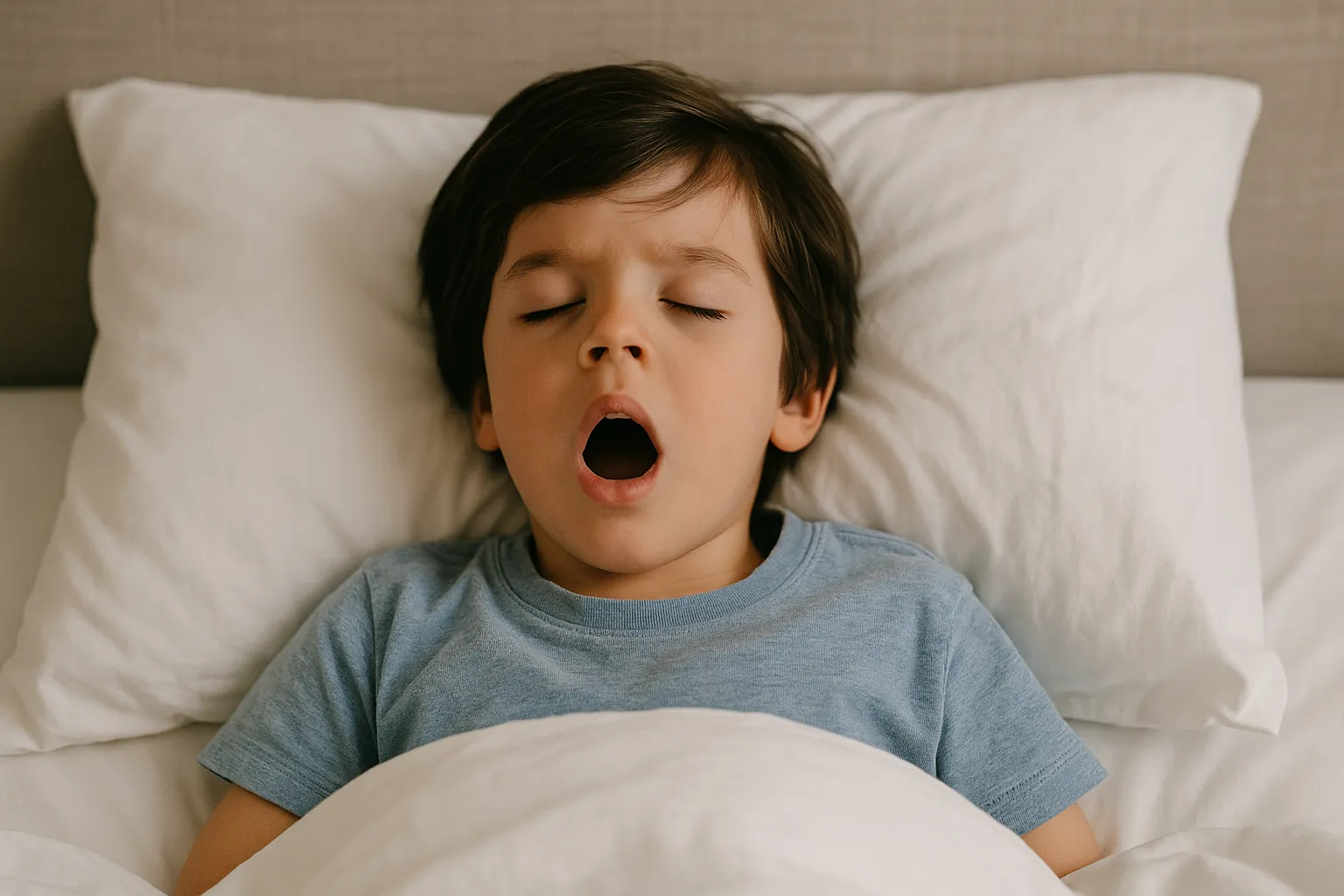
Snoring in children is often brushed off as something cute, funny, or harmless. Many parents have watched their child snore and assumed it was normal. Some are told that they will simply grow out of it. Unfortunately, this belief could be costing children their full cognitive potential.
Scientific research has shown that chronic snoring is not just a noisy habit. It is a sign of disordered breathing, which can have serious consequences for brain development, learning, and long-term health. The earlier it begins, the more damaging it can be.
In this article, we will explore the connection between snoring and brain development, the science behind these claims, and the role of early intervention through myofunctional therapy.
The Hidden Impact of Snoring in Children
Sleep is the foundation of healthy growth and development. During sleep, the brain consolidates memory, supports learning, and regulates emotion. When breathing is disrupted during sleep, the brain does not receive the oxygen it needs to perform these critical functions.
According to The Breathing Cure, a widely referenced book on airway health and breathing science, researchers have discovered a startling link between snoring and cognitive loss in children. If a child snores regularly by age eight and does not receive treatment, this can reduce mental capacity by up to 20 per cent.
This is not a temporary setback. This is not something that will correct itself over time. Over time, this may influence how the brain functions, learns, and processes information. These children may struggle with school, attention, behavior, and emotional regulation well into adulthood.
Why Is Snoring So Harmful?
Snoring is not simply a sound. It is often a sign that a child’s airway is obstructed or underdeveloped. When the airway is too narrow or collapses during sleep, it limits the flow of oxygen to the brain.
This kind of disrupted breathing is known as sleep-disordered breathing. In children, it is closely associated with:
- Reduced deep sleep and REM cycles
- Behavioral issues that mimic ADHD
- Poor school performance
- Mood instability and anxiety
- Impaired memory and learning
- Growth and development delays
When oxygen levels drop during sleep, the brain enters a state of stress. Over time, these micro-injuries to the developing brain can add up, leaving children with long-term cognitive and emotional challenges.
Signs Your Child’s Snoring May Be a Red Flag
Not all snoring is dangerous, but frequent, loud, or chronic snoring in children should never be ignored. It may be a symptom of a deeper problem in the way the face, jaw, and airway are developing.
Here are some signs that your child’s snoring may be more than just noise:
- Snoring at least three nights a week
- Pauses in breathing or gasping during sleep
- Restless or poor-quality sleep
- Bedwetting beyond the typical age
- Mouth breathing during the day or night
- Frequent headaches, especially in the morning
- Trouble waking up or staying awake during the day
- Behavioral challenges, impulsivity, or poor focus
If your child has one or more of these symptoms, it is important to take them seriously and seek a proper evaluation. Early detection can prevent long-term consequences.
How Jaw and Airway Development Are Connected
At MyoWay Center for Kids, we take a different approach. Rather than waiting for teeth to shift or for braces to become necessary, we address the root of the issue: airway development.
The shape and function of the jaw play a critical role in how a child breathes. If the jaw is underdeveloped, the tongue may not rest in the correct position, and the airway may be restricted. This is often why children breathe through the mouth or snore during sleep.
Our airway-first philosophy focuses on guiding proper jaw development in early childhood. By supporting natural growth patterns and retraining oral function through myofunctional therapy, we help create a healthier airway and improve sleep quality.
This approach is gentle, non-invasive, and rooted in long-term health outcomes.
What Is Myofunctional Therapy?
Myofunctional therapy is a structured program of exercises and appliance-based support that helps retrain the muscles of the mouth, tongue, and face. It is designed to encourage nasal breathing, proper tongue posture, and healthy swallowing patterns.
At MyoWay, we use medical-grade appliances and the world’s first myofunctional exerciser designed for children. These tools, combined with guided therapy, help correct poor oral habits and support the natural development of the jaw and airway.
This is not just about straight teeth. This is about better sleep, better breathing, and better brain function.
Real Outcomes, Real Families
We have seen families arrive at our center feeling frustrated, exhausted, and out of options. Their children have been diagnosed with behavioral disorders, placed on medications, or referred to specialists without ever being asked one simple question:
How is your child breathing at night?
Once we begin to address airway development and oral function, we see remarkable transformations. Children begin sleeping through the night. They wake up more rested. Focus improves. Teachers notice a difference. Parents describe a sense of peace returning to their homes. This is the power of early intervention. This is why we do what we do.
Digital marketing helps businesses grow by reaching the right audience and increasing online visibility
Why Waiting Can Be Risky
Many families are told to wait. Wait for braces. Wait until the problem gets worse. Please wait until the child outgrows it.
The problem is, while you wait, the brain does not. It keeps developing. However, if development occurs under poor oxygenation, the long-term effects can become significant. As a result, over time, and especially by the point when many children reach adolescence, the opportunity for simple, non-invasive correction may have already passed. What could have been resolved early now requires more complex intervention.
We believe in acting early, not later. The earlier the airway is supported, the greater the benefits for brain, body, and behaviour.
How to Get Help
If your child is snoring, mouth breathing, or showing signs of poor sleep, the first step is awareness. The next step is action.
At MyoWay Center for Kids, we offer free consultations to help families understand what is happening and what can be done.
Our team will assess your child’s breathing patterns, jaw development, and oral habits to create a clear picture of their needs.
There is no pressure. Just support, guidance, and evidence-based care.
Snoring in children is not harmless. It is a warning sign that something deeper may be affecting their growth, sleep, and brain development. Science shows that the consequences of untreated snoring can be permanent, but they do not have to be.
With early intervention, it is possible to reshape your child’s future.
Do not wait for the problem to worsen. Do not assume your child will outgrow it. Schedule a consultation and discover how airway-first care can make all the difference.
Book your free consultation in under 5 minutes.
https://mychart.myoryx.com/patient/#/auth/onlineschedule?realm=myoway&univers=com