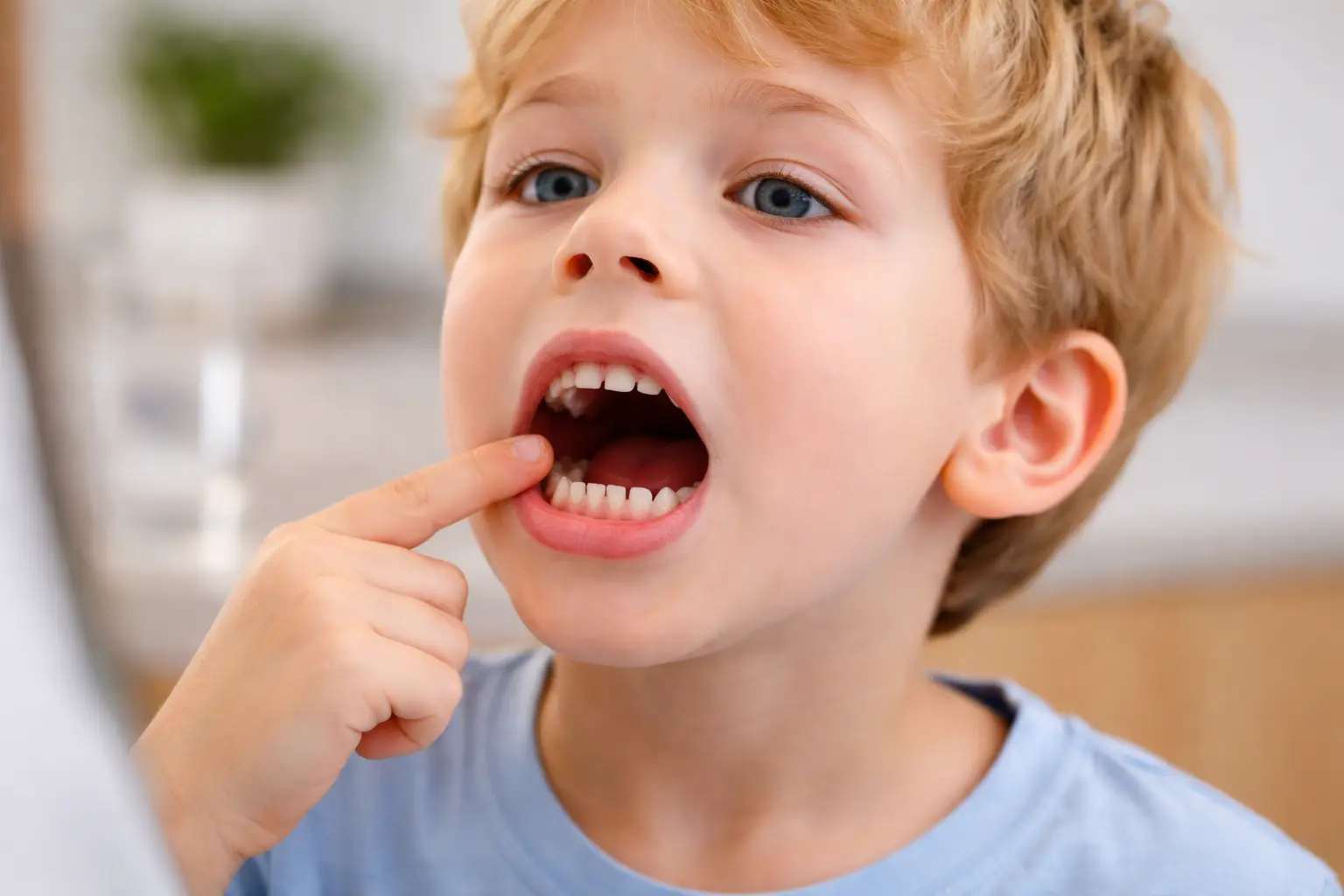

Mouth breathing in children is often dismissed as a harmless habit. Many parents assume their child will grow out of it or that it is only a concern during allergy season or illness. Current research shows that this assumption can be costly. A 2022 review found that uncorrected mouth breathing can lead to abnormal dentofacial development. In simple terms, this means the face, jaw, and airway may not grow the way they are supposed to.
This is not just about appearance. Facial growth is directly connected to breathing, sleep quality, focus, and overall health. When mouth breathing is left unaddressed during childhood, it can shape a child’s development in ways that are difficult to reverse later. At MyoWay Centers for Kids, we focus on identifying and supporting healthy growth early, when the body is most adaptable.
What Causes Mouth Breathing in Children
Mouth breathing rarely begins without a reason. It is usually the body’s response to an underlying issue that makes nasal breathing difficult.
Common causes include:
-
Enlarged tonsils or adenoids
-
Chronic nasal congestion or allergies
-
Narrow upper jaw or underdeveloped airway
-
Oral restrictions such as tongue tie
-
Poor tongue posture or muscle imbalance
When nasal breathing is compromised, the body adapts by opening the mouth to get enough air. Over time, this adaptation becomes a habit even if the original cause improves. Unfortunately, this habit changes how the muscles of the face and jaw function throughout the day and night. Those changes influence how bones grow during critical developmental years.
How Mouth Breathing Affects Facial and Jaw Development
Facial growth in children is guided by both genetics and function. How a child breathes, chews, swallows, and rests their tongue plays a major role in shaping the jaw and airway.
When a child breathes through their mouth:
-
The tongue rests low instead of against the palate
-
The upper jaw does not widen properly
-
The lower jaw tends to grow downward rather than forward
-
Facial muscles become imbalanced
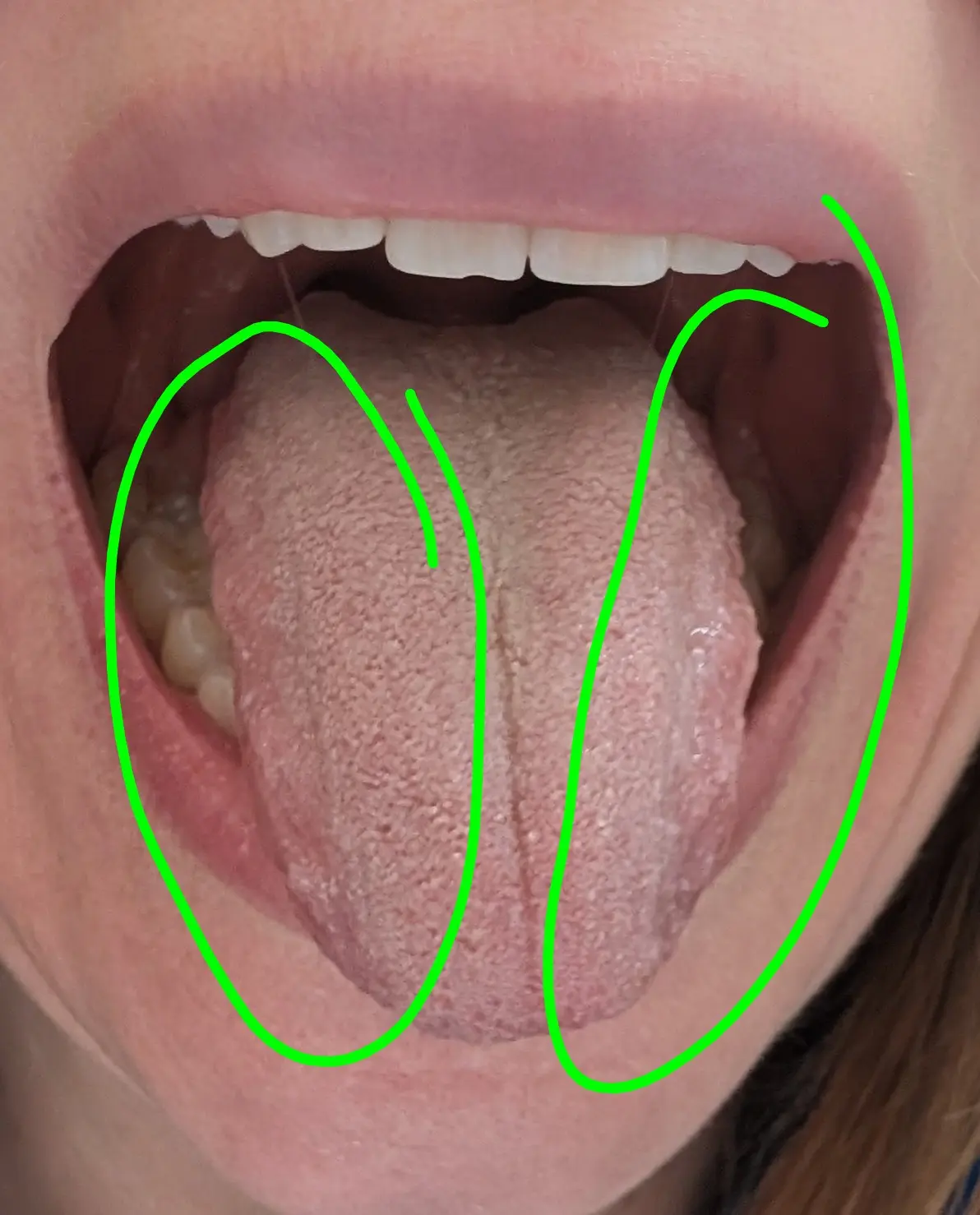
Over time, this can result in a narrow palate, crowded teeth, recessed jaw, elongated facial structure, and reduced airway space. These changes do not happen overnight. They develop gradually, often without obvious symptoms at first. By the time crooked teeth or sleep problems appear, the underlying growth pattern may already be established.
The Connection Between Mouth Breathing and Airway Development
The airway sits at the center of facial growth. When the jaw and palate do not develop properly, the airway often becomes smaller and less stable. A restricted airway makes it harder for a child to breathe efficiently during sleep. Even mild airway compromise can reduce oxygen intake and disrupt sleep cycles. Children with airway restriction may not show classic signs of sleep apnea. Instead, they may experience fragmented sleep that goes unnoticed.
Signs of airway related sleep disruption can include:
-
Snoring or noisy breathing
-
Teeth grinding
-
Restless sleep
-
Nighttime sweating
-
Bedwetting beyond expected age
Because children are resilient, they often compensate during the day. This compensation can mask the problem while placing extra stress on the nervous system.
Mouth Breathing, Sleep, and Daytime Behavior
Sleep is when the brain and body recover. When sleep quality is reduced, even slightly, the effects can show up in surprising ways.
Children who mouth breathe during sleep may experience:
-
Difficulty focusing
-
Hyperactivity or impulsive behavior
-
Mood instability
-
Poor academic performance
-
Daytime fatigue
In some cases, these symptoms are mistaken for attention or behavioral disorders. Families may pursue multiple interventions without addressing the root cause. At MyoWay Centers for Kids, we often see children whose sleep and behavior improve once breathing and airway function are supported.
Why Early Intervention Is So Important
Childhood is a unique window of opportunity. During these years, the jaw, face, and airway are still growing and responding to functional input. Early intervention allows providers to guide growth rather than attempt to correct it later.
When mouth breathing is addressed early:
-
The jaw can grow forward and wider
-
The airway can develop more fully
-
Nasal breathing can become the default pattern
-
Sleep quality can improve naturally
Waiting until adolescence or adulthood often means growth has already finished. At that point, treatment options become more invasive and complex.
What Is Myofunctional Therapy and How It Helps
Myofunctional therapy focuses on the muscles of the face, tongue, and airway. It addresses how these muscles function at rest and during daily activities. At MyoWay Centers for Kids, myofunctional therapy is combined with medical grade appliances designed to support proper jaw and airway development.
This approach helps:
-
Improve tongue posture
-
Encourage nasal breathing
-
Support balanced facial muscle function
-
Guide healthy jaw growth
The goal is not to force change, but to work with the child’s natural growth patterns. This creates more stable, long term results.
Early Signs Parents Should Not Ignore
Many parents are unsure when to seek evaluation. Early signs are often subtle and easy to overlook.
Common indicators include:
-
Mouth open at rest or during sleep
-
Snoring or grinding at night
-
Narrow smile or crowded baby teeth
-
Speech difficulties
-
Dark circles under the eyes
-
Chronic fatigue
-
Difficulty focusing or regulating emotions
Even one or two of these signs can justify an evaluation. Early awareness empowers families to make informed decisions.
How MyoWay Centers for Kids Supports Healthy Development
At MyoWay Centers for Kids, we take a comprehensive approach to jaw and airway development.
Our process includes:
-
A detailed airway and facial evaluation
-
Assessment of breathing patterns and muscle function
-
Customized therapy plans based on age and growth stage
-
Ongoing support and monitoring
Our goal is to reduce the need for more aggressive interventions later while supporting better sleep, breathing, and overall health now.
Why Braces Alone Do Not Address the Root Problem
Traditional orthodontics focuses on aligning teeth. While this can improve appearance, it does not address why the teeth became crowded in the first place. In many cases, crowding is the result of an underdeveloped jaw and restricted airway. Without addressing breathing and growth patterns, teeth may shift back over time and airway issues may persist. An airway focused approach addresses the foundation first, allowing orthodontic treatment to be more stable if it is needed later.
Long Term Benefits of Addressing Mouth Breathing Early
Supporting proper breathing and growth early can have lifelong benefits.
These may include:
-
Better sleep quality
-
Improved focus and behavior
-
Healthier facial development
-
Reduced need for complex orthodontic treatment
-
Improved overall quality of life
Small changes made early can prevent larger challenges in the future.
What is mouth breathing and why does it matter in children?
Mouth breathing is when a child primarily breathes through their mouth instead of their nose, and it can negatively affect jaw development, airway growth, and sleep quality. While some parents view it as a temporary habit, consistent mouth breathing during critical growth years can reshape facial structure, limit oxygen intake during sleep, and contribute to attention and behavioral challenges.
Why do some children start mouth breathing?
Children often begin mouth breathing due to an obstruction or difficulty with nasal breathing.
This may include:
-
Enlarged tonsils or adenoids
-
Seasonal allergies or chronic nasal congestion
-
Oral restrictions such as tongue tie
-
A narrow upper jaw or recessed lower jaw
-
Habitual posture or muscular issues
Even after the original issue resolves, the body can retain the mouth breathing pattern, turning it into a long-term habit that alters development.
How does mouth breathing affect facial and jaw growth?
Mouth breathing changes how the muscles and bones of the face function during growth, leading to narrow jaws, longer faces, and crowded teeth.
When a child breathes through their mouth:
-
The tongue does not rest on the roof of the mouth
-
The upper jaw does not expand properly
-
The lower jaw grows downward rather than forward
Over time, these patterns shape a child’s facial appearance and may lead to functional issues with breathing, chewing, or speaking.
What is the connection between mouth breathing and airway development?
Mouth breathing often results in a narrower airway, which makes breathing more difficult during sleep and increases the risk of sleep-disordered breathing. When the palate remains narrow and the jaw grows incorrectly, the airway space becomes more restricted. Even if a child does not have full obstructive sleep apnea, their oxygen levels and sleep quality may suffer, especially during deep sleep.
How does mouth breathing affect sleep and behavior?
Mouth breathing reduces sleep quality, which can lead to behavioral issues, difficulty focusing, and emotional dysregulation in children.
Children may show signs of:
-
Snoring or teeth grinding
-
Restless sleep
-
Bedwetting
-
Daytime fatigue
-
Hyperactivity or impulsivity
These signs are often misattributed to behavioral or attention disorders, but the root cause may be poor oxygenation due to airway issues.
When should parents seek early intervention for mouth breathing?
Parents should seek evaluation as soon as they notice consistent mouth breathing, snoring, or signs of sleep disturbance. Early intervention is most effective during developmental years when the jaw and airway are still growing. Delaying treatment can lead to more complex orthodontic or medical needs in the future.
What is myofunctional therapy and how does it help?
Myofunctional therapy is a treatment approach that strengthens and retrains the muscles of the face, mouth, and tongue to support nasal breathing and proper jaw function. At MyoWay Centers for Kids, this therapy is combined with medical-grade appliances that guide the natural growth of the jaw and airway. This approach encourages healthy development and reduces the need for aggressive interventions later.
What are early signs that a child may need a jaw and airway evaluation?
Common signs include:
-
Mouth open while resting or sleeping
-
Snoring or grinding at night
-
Narrow smile or crowded baby teeth
-
Fatigue despite a full night’s sleep
-
Dark circles under the eyes
-
Speech issues or lisp
-
Difficulty focusing or regulating emotions
If a child is showing any of these signs, an airway and jaw evaluation can provide clarity.
Why are braces not enough for children who mouth breathe?
Braces can straighten teeth, but they do not fix the underlying jaw or airway issues that caused the crowding. If the jaw is too narrow or underdeveloped due to mouth breathing, aligning the teeth does not correct the functional problem. That is why some children relapse after braces or continue to have sleep and breathing concerns despite a straight smile.
How does MyoWay support long term healthy development?
At MyoWay Centers for Kids, we take an airway-first approach by evaluating how a child breathes, sleeps, and grows.
Our process includes:
-
Jaw and airway screening
-
Myofunctional assessments
-
Customized growth-guidance programs
-
Medical-grade therapeutic appliances
-
Support from experienced providers
The goal is to guide development at the root, not just treat the symptoms.
What are the benefits of treating mouth breathing early?
Early treatment can:
-
Support proper jaw and airway development
-
Improve nasal breathing and sleep quality
-
Reduce behavioral and focus challenges
-
Lower the risk of orthodontic relapse
-
Promote long term health and function
The earlier these issues are addressed, the more naturally the body can respond.
What can parents do today if they suspect mouth breathing?
Parents should schedule a jaw and airway evaluation as soon as concerns arise. Early assessment is quick, noninvasive, and can provide important answers.
You do not need to wait until your child needs braces or develops a medical diagnosis. Identifying early growth concerns now can prevent complex treatments later.
Book your free consultation in under 5 minutes.
https://mychart.myoryx.com/patient/#/auth/onlineschedule?realm=myoway&univers=com