A Hidden Health Concern in Plain Sight
As parents, it is easy to dismiss snoring, mouth breathing, or daytime fatigue as just quirks of childhood. After all, many children snore occasionally, and busy school schedules can make anyone tired. However, when these signs appear consistently, they may be more than just passing phases. They could be symptoms of an underlying condition known as sleep-disordered breathing.
Recent research from Hopkins Medicine estimates that sleep-disordered breathing affects up to 20 percent of children. What makes it even more concerning is that it often goes unnoticed. The signs can mimic behavioral or attention issues, leading to delayed or incorrect diagnoses. The good news is that early screening and intervention can change the trajectory of a child’s health, development, and overall well-being.
The Real Impact of Snoring and Mouth Breathing
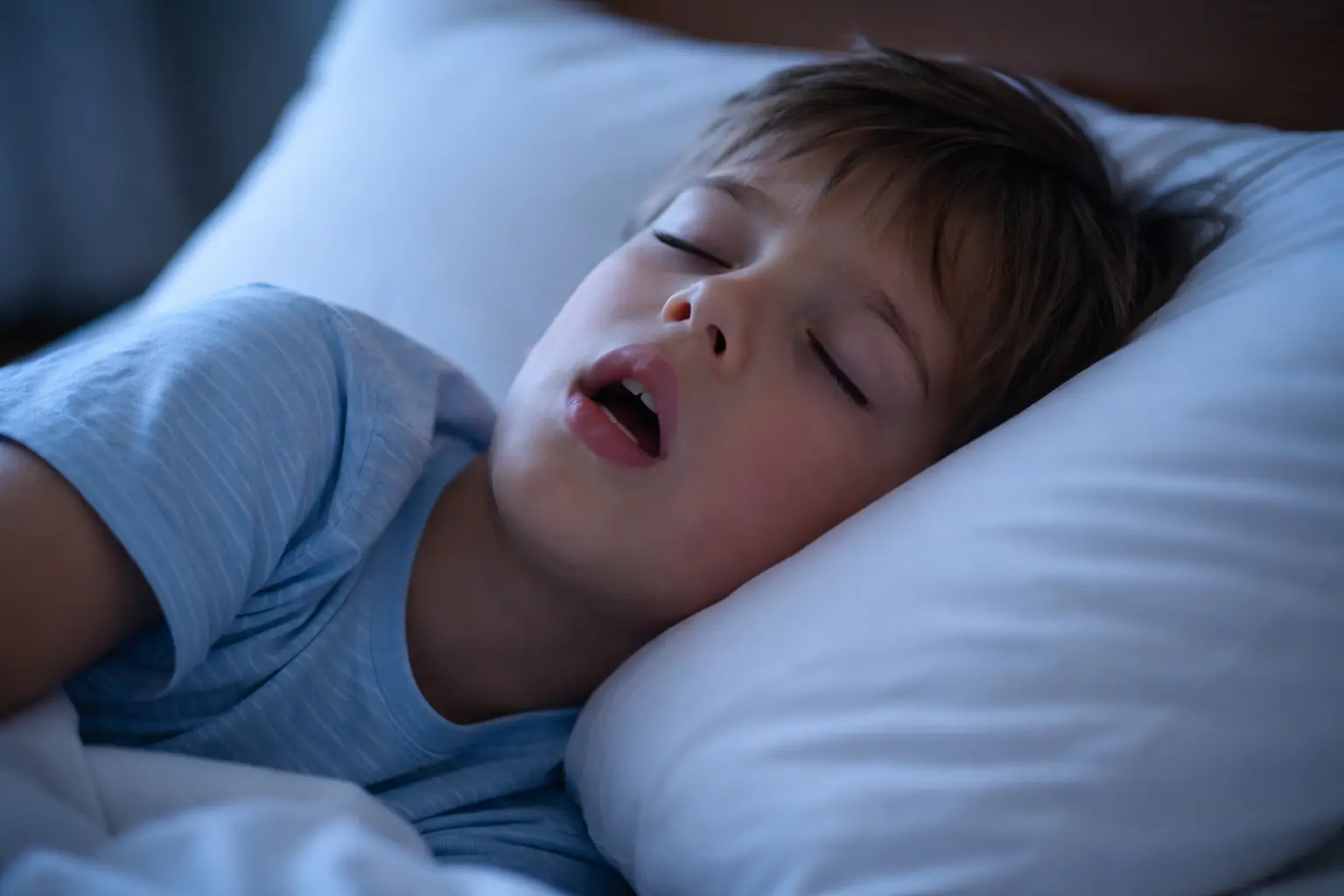
Snoring may seem harmless, even cute. However, in children, it is often a sign of restricted airflow during sleep. This restriction can prevent the brain from receiving enough oxygen and entering deep, restorative sleep cycles.
Mouth breathing is another red flag. Unlike nasal breathing, which filters and humidifies air, mouth breathing dries out the tissues of the airway and alters tongue posture. Over time, this affects jaw development, airway shape, and even facial growth. It also disrupts the natural resting position of the tongue and lips, which play a vital role in proper swallowing, speaking, and breathing mechanics.
Children who snore or breathe through their mouths are more likely to experience:
-
Restless sleep
-
Poor concentration
-
Behavioral challenges
-
Frequent awakenings
-
Bedwetting
-
Mood swings
-
Delayed growth
Many of these symptoms overlap with other conditions, such as attention-deficit and hyperactivity presentations. This overlap often leads parents and educators to overlook the root cause: poor quality sleep driven by impaired airway function.
What Is Pediatric Myofunctional Therapy?
Pediatric myofunctional therapy is a structured program that focuses on correcting the function of the facial muscles, tongue, and airway. It supports the natural development of the jaw and airway by encouraging proper nasal breathing, tongue posture, and muscle coordination.
Unlike traditional interventions that only address the symptoms, myofunctional therapy addresses the root cause. It helps retrain the muscles involved in breathing and swallowing, promoting lasting health benefits.
At MyoWay Centers for Kids, this approach includes:
-
Medical-grade appliances that guide jaw growth
-
Myofunctional exercisers that strengthen oral and facial muscles
-
A step-by-step therapy plan personalized for each child
-
Collaboration with pediatricians, dentists, and orthodontists
By addressing the airway first, we help children not only sleep better but also function better in their daily lives. Improved oxygen flow during sleep can lead to better focus, emotional regulation, and academic performance.
Why Early Intervention Matters
Children grow rapidly. During this time, bones, muscles, and neural pathways are all developing. If an airway issue is present and left unaddressed, it can disrupt this growth and cause complications later in life. Early intervention ensures that the airway and jaw develop correctly, which can reduce the need for more invasive procedures such as surgery or extended orthodontic treatment.
Parents often hear that their child will “grow out of it.” While some children may adapt, many continue to experience subtle and accumulating effects of poor sleep and breathing. Waiting often means missing a critical window of growth where change is easiest and most effective.
Early screening for airway issues does not require a prescription, sedation, or sleep lab referral. At MyoWay, we provide accessible, parent-friendly consultations that help you understand whether your child shows signs of compromised airway function. From there, we create a plan that works with your family’s schedule and health goals.
What Parents Should Look Out For
Knowing what to watch for can help you catch airway concerns before they escalate. Here are some common signs that may indicate your child could benefit from a myofunctional evaluation:
-
Snoring, even occasionally
-
Mouth breathing while awake or asleep
-
Dry lips or chronic bad breath
-
Difficulty waking up or staying asleep
-
Trouble focusing in school
-
Grinding teeth at night
-
Bedwetting beyond the typical age
-
Crowded or crooked teeth emerging early
-
Long face appearance or dark circles under the eyes
If you have noticed any of these signs, it may be time to consider a professional airway assessment.
How MyoWay Centers for Kids Can Help
At MyoWay Centers for Kids, we believe that early airway development is the foundation for lifelong health. Our team uses evidence-informed tools to assess how your child breathes, sleeps, and functions.
We partner with families to deliver noninvasive, child-friendly solutions that fit into everyday life. Our therapies are designed to empower children, not restrict them. From the first appointment, we work to uncover the root causes behind sleep disturbances and functional issues — not just manage symptoms.
We also collaborate with pediatric dentists, ENTs, and orthodontists to create a holistic care approach. This multidisciplinary model ensures that your child receives the most comprehensive support possible.
Case Example: When Behavior Changes Have a Hidden Cause
One parent came to us after months of struggling with her child’s poor focus and frequent emotional outbursts. She had tried multiple behavioral approaches and even considered formal neurodevelopmental testing. However, no one had asked about how the child was breathing or sleeping.
Within a few visits, we identified clear signs of mouth breathing and tongue dysfunction. With myofunctional therapy and the use of a guided appliance, the child’s sleep improved significantly. Within weeks, his behavior and focus began to stabilize. No medications were needed. Just oxygen and rest.
Stories like these are not rare. They are common, and they are often missed.
Do Not Wait for a Crisis
Snoring and mouth breathing are not harmless. They are signals that your child’s body is working harder than it should just to perform basic functions like breathing and sleeping. These issues deserve the same attention as academic or behavioral challenges because they often contribute to them.
You do not need to wait for a prescription or crisis to take action. Early screening is safe, effective, and empowering.
If you have concerns about how your child is breathing or sleeping, trust your instincts and take the first step today.
Book your free consultation in under 5 minutes.
https://mychart.myoryx.com/patient/#/auth/onlineschedule?realm=myoway&univers=com