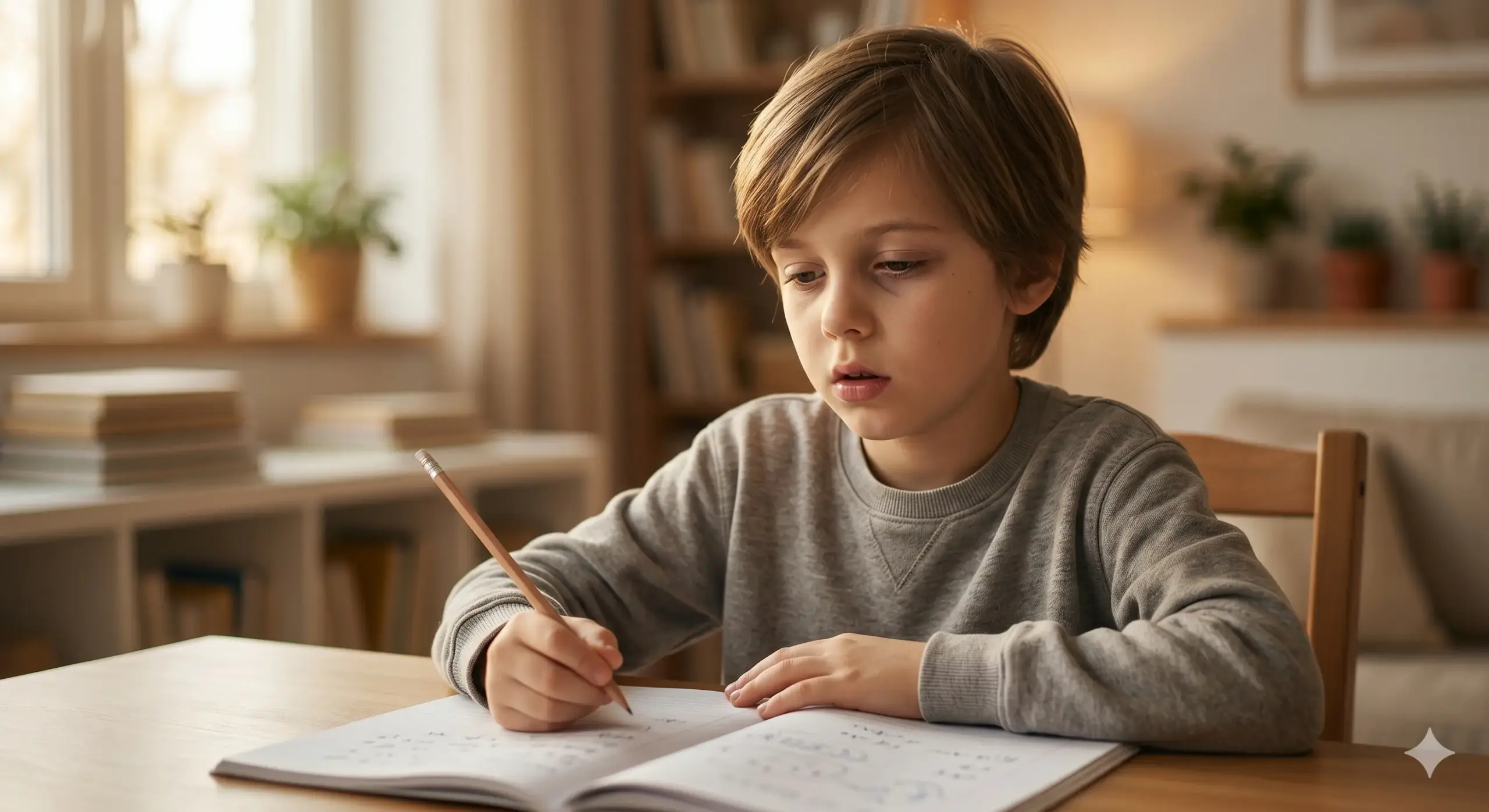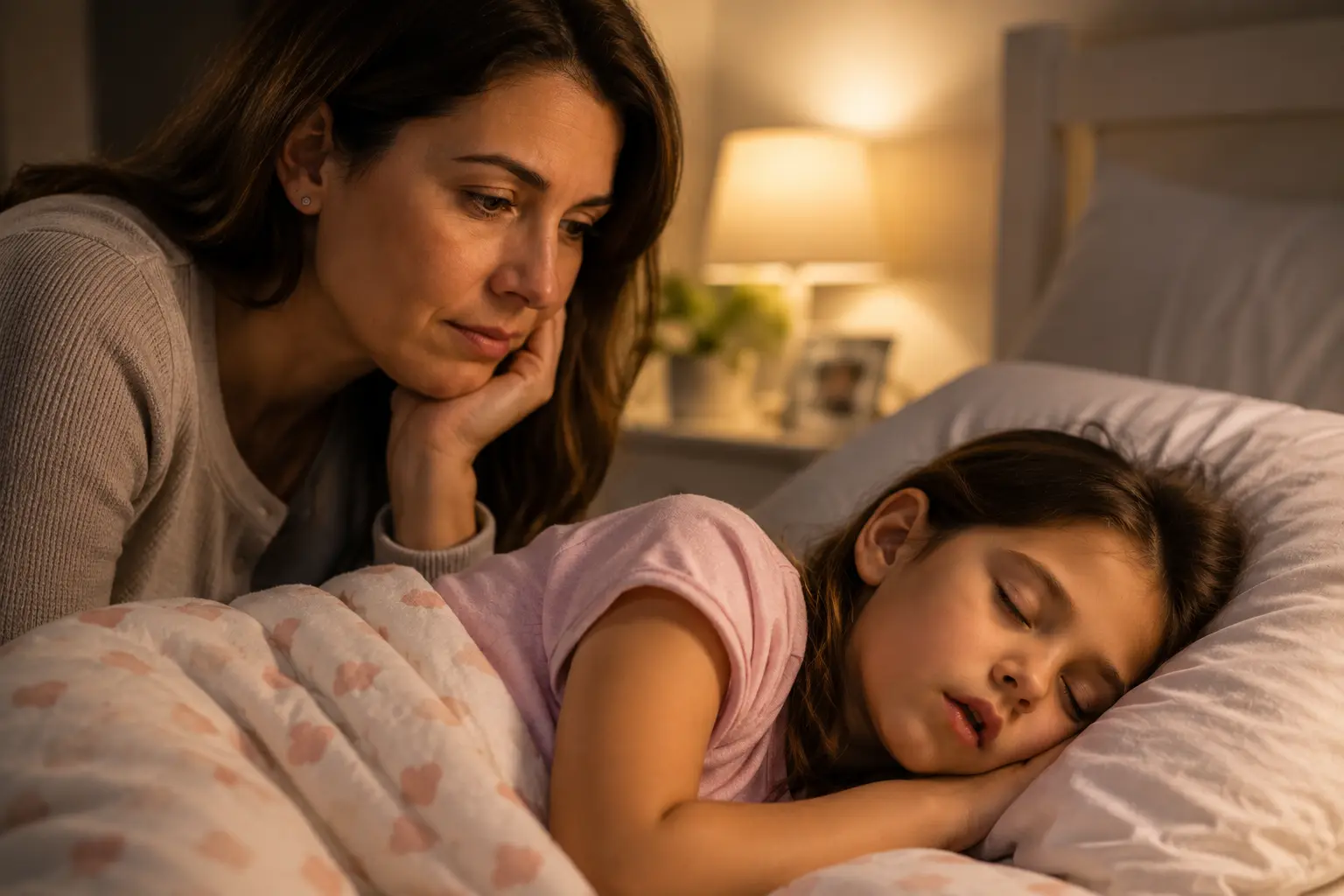
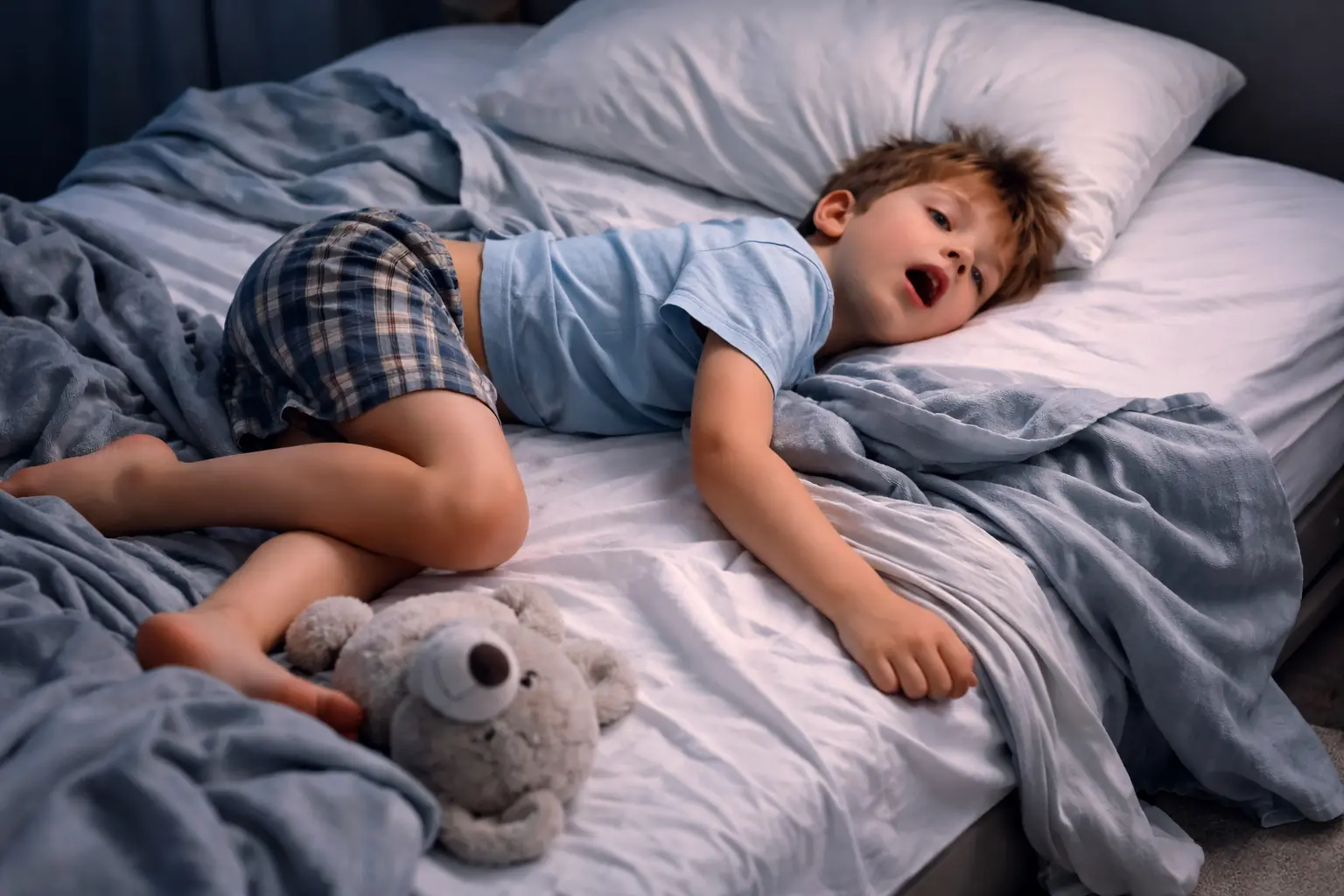
Many parents notice that something feels off before they can explain exactly what it is. A child may snore, toss and turn, wake up tired, grind their teeth, or sleep with their mouth open. On their own, these signs may seem minor or unrelated. When they start showing up together, they can point to a bigger issue affecting sleep quality, breathing, and daily function.
At MyoWay Centers for Kids, we help families understand how sleep, breathing, oral posture, and airway development may be connected. One sign alone does not diagnose anything. Repeated patterns are what matter most.
What are the signs of poor sleep in kids?
The most common signs of poor sleep in kids include:
-
Snoring
-
Restless sleep
-
Waking up tired
-
Bedwetting
-
Teeth grinding
-
Dark circles under the eyes
-
Frequent open mouth posture
These signs do not automatically mean a child has a serious problem. Still, when several of them happen together on a regular basis, they may be worth looking into more closely.
Why does sleep quality matter so much in children?
Sleep supports a child’s growth, mood, learning, focus, and behavior. Children do not just need enough sleep. They also need sleep that is deep and restorative. When sleep is poor, the effects can show up in ways that do not always look like a sleep issue right away.
A child with poor sleep may have:
-
Low energy in the morning
-
Irritability
-
Trouble focusing
-
Emotional ups and downs
-
Hyperactive behavior
-
Low frustration tolerance
-
Brain fog
-
Difficulty getting going in the morning
Breathing and sleep are closely connected. When a child is not breathing well at night, sleep may be less restorative, even if they stay in bed for many hours.
1. Snoring
Snoring is one of the most common signs of poor sleep in kids, and it is also one of the most often dismissed. Many parents are told that snoring is normal or something a child will outgrow. Snoring deserves attention, especially when it happens often or appears with other symptoms.
Snoring may suggest that air is not moving as freely as it should during sleep. Even mild snoring can matter when it becomes part of a larger pattern. A child who snores regularly may not be getting the kind of restful sleep their body needs.
2. Restless Sleep
Restless sleep can look like tossing, turning, kicking off blankets, moving around the bed, or waking up in unusual positions. Some children seem like active sleepers by nature. Still, repeated restless sleep can be a clue that the body is not fully relaxing at night.
Signs of restless sleep may include:
-
Frequent movement during the night
-
Twisted sheets or blankets
-
Sleeping sideways or upside down in bed
-
Waking multiple times
-
Sweating during sleep
-
Kicking or flailing
A child may technically be asleep for hours and still not wake up feeling restored.
3. Waking Up Tired
A child who gets enough time in bed should usually wake up with reasonable energy. When a child wakes up tired again and again, it may be a sign that sleep quality is poor.
This can look like:
-
Difficulty waking up in the morning
-
Grogginess
-
Irritability early in the day
-
Low energy at breakfast
-
Complaints of feeling tired
-
Looking exhausted even after a full night in bed
Some children do not act sleepy. Instead, they seem wired, impulsive, or emotionally reactive. Poor sleep in kids does not always look like quiet fatigue.
4. Bed-wetting
Bed-wetting is often treated as a normal phase of childhood, and in some cases it is. Still, bedwetting can also appear alongside other signs of poor sleep. This does not mean every child who wets the bed has a sleep or airway concern. It does mean parents should pay attention when bedwetting happens together with other symptoms such as:
-
Snoring
-
Restless sleep
-
Teeth grinding
-
Open mouth posture
-
Waking up tired
Patterns help tell the full story. Bedwetting may be more meaningful when it is part of a larger cluster of signs.
5. Teeth Grinding
Teeth grinding during sleep can be loud, frequent, and surprising for parents to hear. Some children grind occasionally. Others do it so often that families notice it right away. Teeth grinding can be another sign that the body is not fully at ease during sleep.
Parents may want to take a closer look when teeth grinding appears with:
-
Snoring
-
Restless sleep
-
Morning fatigue
-
Open mouth posture
-
Dark circles under the eyes
Teeth grinding alone does not explain everything, but it can be an important part of the overall picture.
6. Dark Circles Under the Eyes
Dark circles are easy to dismiss. Some families assume they are genetic. Others think they simply reflect a rough night or a busy week. Sometimes dark circles can be one more visible sign that a child is not getting truly restorative sleep. On their own, they do not diagnose anything. Alongside other symptoms, they may support what parents are already noticing.
Dark circles may be worth more attention when they appear with:
-
Restless sleep
-
Mouth breathing
-
Waking up tired
-
Snoring
-
Daytime irritability
Context matters more than any single sign by itself.
7. Frequent Open Mouth Posture
Frequent open mouth posture while awake or asleep is one of the most overlooked signs in children. A child may sit, play, watch television, or sleep with their mouth open so often that it starts to seem normal. It may not be normal. Open mouth posture can be associated with inefficient breathing patterns and poor oral resting posture.
Healthy nasal breathing supports:
-
Better oral resting posture
-
Proper jaw development
-
Healthy airway development
-
More efficient breathing patterns
When a child regularly keeps their mouth open during the day or night, it may be worth exploring further.
Why do patterns matter more than one symptom alone?
This is one of the most important points for parents to understand. One sign alone does not diagnose anything. A child who snores once in a while may simply have congestion. A child who wets the bed may still be developing nighttime control. A child with dark circles may have more than one possible explanation.
The real concern is the pattern. When a child shows several of these signs consistently, the picture becomes more meaningful. Repeated patterns may suggest that sleep quality, breathing efficiency, or airway development deserves closer attention.
A common pattern may include:
-
Snoring
-
Restless sleep
-
Waking up tired
-
Bedwetting
-
Teeth grinding
-
Dark circles under the eyes
-
Open mouth posture
The more often these signs appear together, the more important it becomes to notice them.
What can poor sleep look like during the day?
Poor sleep in kids does not only show up at night. It often shows up in daytime behavior, mood, and performance.
A child with poor sleep may seem:
-
Moody
-
Distracted
-
Hyperactive
-
Easily frustrated
-
Emotionally sensitive
-
Foggy
-
Unmotivated
-
Hard to wake up
-
Tired but unable to settle
This is one reason parents can miss the connection. Poor sleep in children can sometimes look like behavior struggles, emotional overwhelm, or focus issues instead of obvious tiredness.
When should parents be concerned about poor sleep in kids?
Parents may want to take a closer look when:
-
Snoring happens regularly
-
A child wakes tired even after enough time in bed
-
Restless sleep is common
-
Teeth grinding happens often
-
Bedwetting continues along with other signs
-
Open mouth posture is frequent during the day or night
-
Multiple symptoms appear together
You do not need to jump to conclusions. You do not need to diagnose anything on your own. You simply need to notice when a repeated pattern may deserve support.
What should parents do next?
The first step is awareness.
Observe your child with fresh eyes. Notice what sleep looks like, what mornings feel like, and how your child functions during the day. Think about whether these signs happen once in a while or whether they show up regularly.
Helpful things to track include:
-
How often your child snores
-
Whether sleep seems restless
-
Whether your child wakes up tired
-
Any bedwetting episodes
-
Teeth grinding during sleep
-
Dark circles under the eyes
-
Open mouth posture while awake or asleep
At MyoWay Centers for Kids, we help families better understand how breathing, oral posture, sleep quality, and development may be connected. Early awareness helps parents ask better questions and make more confident decisions.
Why is early awareness important?
Many families are told to wait and see. Sometimes that feels easier than asking hard questions.
Early awareness can make a meaningful difference.
When parents notice patterns sooner, they have more opportunity to explore supportive care that promotes healthy breathing, better sleep, and proper development. The goal is not fear. The goal is clarity.
A child does not need to have every sign on this list for a parent to pay attention. Even one symptom can matter when it keeps happening or starts showing up with others.
Frequently Asked Questions
What are the signs of poor sleep in kids?
Common signs of poor sleep in kids include:
-
Snoring
-
Restless sleep
-
Waking up tired
-
Bedwetting
-
Teeth grinding
-
Dark circles under the eyes
-
Open mouth posture
One sign alone may not mean much, but repeated patterns deserve attention.
Is snoring normal in children?
Snoring should not be ignored, especially when it happens regularly or appears with other symptoms like restless sleep, mouth breathing, or waking up tired.
Can poor sleep affect behavior in children?
Yes. Poor sleep can affect mood, focus, emotional regulation, and daytime behavior. Some children appear tired, while others seem hyperactive or irritable.
Does bedwetting mean my child has a sleep problem?
Not always. Bedwetting can have several causes. Still, when it appears with snoring, restless sleep, teeth grinding, or open mouth posture, it may be worth looking at the bigger picture.
Why does my child sleep with their mouth open?
Frequent open mouth posture may be a sign of inefficient breathing patterns or poor oral resting posture. It is worth noticing if it happens often during the day or at night.
What should I do if I notice several of these signs?
Start by paying attention to patterns. Track what you notice and seek support if symptoms are consistent or appear together over time.
Snoring, restless sleep, waking up tired, bed-wetting, teeth grinding, dark circles, and open mouth posture may seem unrelated at first. Together, they can tell an important story. If you have noticed one or more of these signs in your child, trust your instincts enough to look a little closer. You are not overreacting by asking questions. You are paying attention to patterns that may matter. The goal is not to label every symptom as serious. The goal is to recognize when common signs may point to a deeper sleep or breathing concern that deserves attention.
Book your free consultation in under 5 minutes.
https://mychart.myoryx.com/patient/#/auth/onlineschedule?realm=myoway&univers=com