
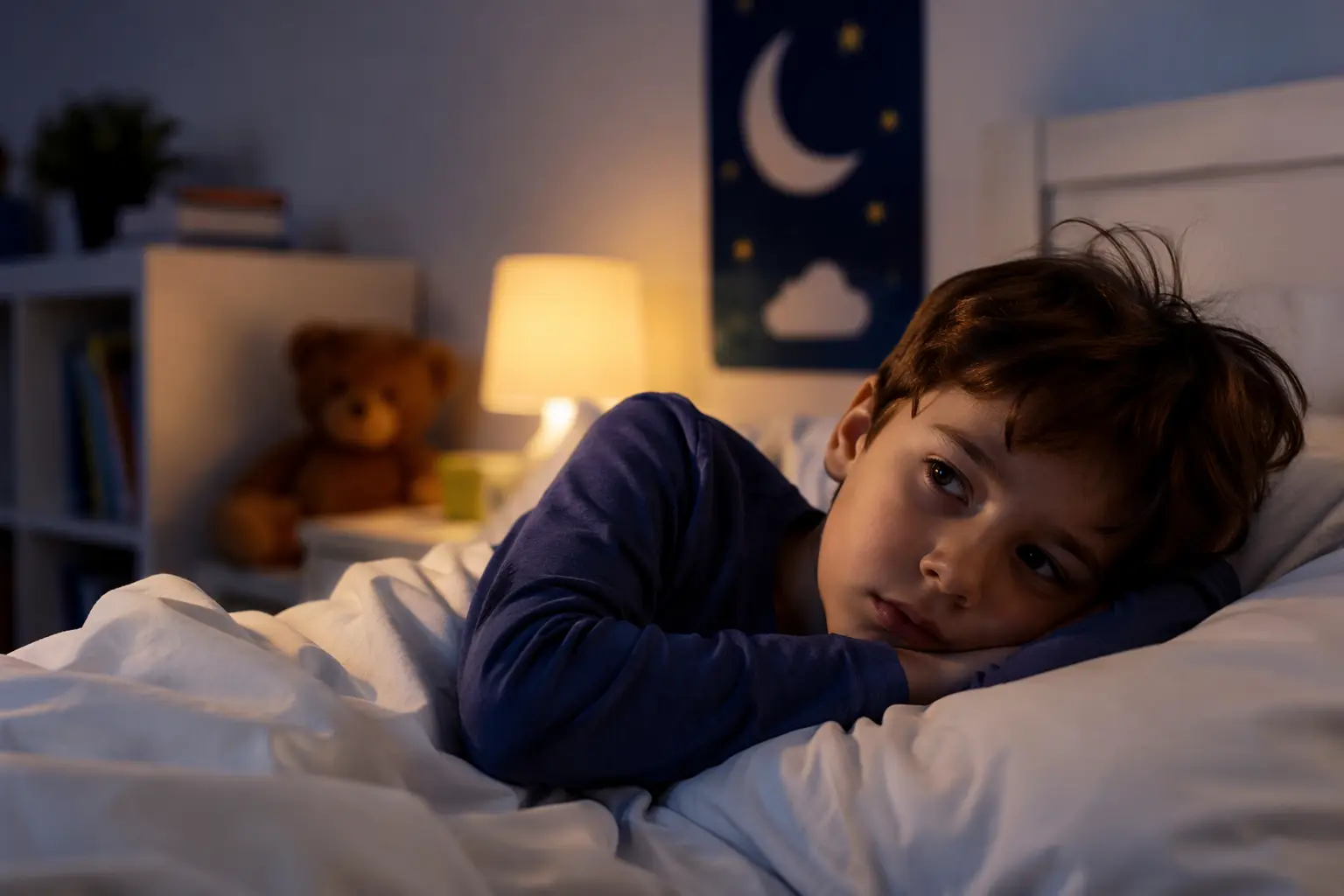
Some children who seem hyper, emotional, unfocused, or constantly in motion may actually be exhausted. When a child is mouth breathing, snoring, grinding their teeth, or working harder to breathe during sleep, it can affect sleep quality. Poor-quality sleep can show up during the day as focus issues, big emotions, irritability, restlessness, and behavior challenges.
At MyoWay Centers for Kids, we help families understand how breathing, sleep, oral function, and jaw development may all be connected.
Why This Conversation Matters
Many parents are told to focus on behavior first.
If a child is struggling at school, having emotional outbursts, moving constantly, or having trouble paying attention, the conversation often centers on discipline, behavior charts, school accommodations, or labeling the symptoms. Those tools may help in some situations, but they do not always explain why the behavior is happening in the first place.
That is where many families feel stuck.
A child can look energetic on the outside while feeling exhausted on the inside. A child can appear restless, reactive, or unable to settle when the real issue is that their body is not getting the deep restorative sleep it needs to grow, regulate, and function well.
This is why sleep and breathing deserve more attention.
What Poor Sleep Can Look Like in Children
Adults usually look tired when they are exhausted. They slow down, yawn, and seem drained.
Children often do the opposite.
A child who is not sleeping well may look:
- hyperactive
- emotional
- impulsive
- unfocused
- irritable
- restless
- constantly in motion
- wired and tired at the same time
That is one reason sleep-related concerns are so easy to miss.
Parents may not immediately connect daytime behavior with nighttime breathing. Teachers may notice focus issues without realizing the child may be operating on poor-quality sleep. Families may spend months or years trying to manage the symptoms without ever being told to look more closely at what happens during the night.
The Hidden Link Between Breathing and Behavior
A child can be in bed for plenty of hours and still not get the quality sleep their brain and body need.
When breathing is not ideal during sleep, rest may become lighter, more disrupted, and less restorative. A child may not wake up feeling refreshed, even if they technically slept through the night.
This can happen when a child has patterns such as:
- mouth breathing
- snoring
- teeth grinding
- restless sleep
- noisy breathing
- increased effort to breathe while asleep
These patterns may not seem dramatic at first, but they can place stress on the body over time. If a child is working harder to breathe during sleep, that can affect how deeply they rest. When deep rest is disrupted, daytime function often suffers.
That may show up as:
- trouble focusing
- mood swings
- emotional reactivity
- poor frustration tolerance
- constant movement
- difficulty settling down
- behavioral concerns at home or school
What Parents Often Notice First
Many families do not come in saying, “My child has an airway issue.”
They come in saying things like:
- “My child cannot focus.”
- “My child is always moving.”
- “My child has huge emotions.”
- “My child seems tired, but never slows down.”
- “My child snores, but I did not think it was a big deal.”
- “My child grinds their teeth every night.”
- “My child breathes through their mouth all the time.”
These signs matter.
When several of these patterns show up together, it may be time to look deeper at how breathing, sleep, and oral function are affecting daily life.
Why Mouth Breathing Deserves Attention
Mouth breathing is often brushed off as a habit, but it may be a sign that something more important is going on.
A child who relies on mouth breathing may not be getting the same functional support as a child who breathes comfortably through the nose. Over time, that may influence sleep quality, oral posture, muscle function, and development.
Parents may notice signs such as:
- open-mouth posture during the day
- dry lips or dry mouth
- noisy sleep
- snoring
- restless sleep
- poor morning energy
- crowded teeth
- difficulty keeping the lips closed at rest
Mouth breathing in kids is an important topic because breathing patterns and oral function can influence how a child grows. Proper jaw and airway development support more than appearance. They support function, comfort, sleep quality, and overall well-being.
Why an Exhausted Child Can Look Hyper
This is one of the most important things for parents to understand.
A tired child does not always look sleepy. Sometimes a tired child looks overstimulated.
When the brain and body are not getting enough restorative sleep, children may try to compensate by staying activated. That can create a pattern where they seem alert, busy, reactive, and unable to slow down. The result is a child who appears full of energy but is actually running on stress and fatigue.
This is why some children seem:
- constantly in motion
- emotionally overloaded
- easily frustrated
- unable to focus
- unable to transition well
- more reactive later in the day
It is not always a motivation problem or a discipline problem. Sometimes it is a regulation problem that begins with sleep.
The Role of Jaw Development and Oral Function
At MyoWay Centers for Kids, we help families understand that sleep, breathing, jaw development, and oral function are connected.
When oral muscles are not functioning optimally, or when breathing patterns are off, those issues may affect how a child develops over time. This can influence:
- how the jaws grow
- how the tongue rests
- how the lips stay closed at rest
- how the child breathes during the day
- how the child breathes during sleep
- how well the child sleeps
- how the child functions during the day
This is one reason early support matters.
Families are often told to wait until a child is older before addressing developmental concerns. In many cases, however, early recognition gives parents the opportunity to better understand what may be affecting their child now.
When to Look Deeper
It may be time to take a closer look if your child has a pattern of:
- mouth breathing
- snoring
- teeth grinding
- restless sleep
- chronic fatigue
- poor focus
- emotional ups and downs
- constant movement
- daytime irritability
- behavior challenges that do not fully make sense
It may also be worth paying attention if your child seems both tired and overstimulated.
That wired and tired pattern is often a clue that the body is under strain.
A More Supportive Way to Think About Behavior
When parents are dealing with daily struggles, it is easy to feel overwhelmed. Many families feel like they are constantly reacting to behavior without understanding the root cause.
A more helpful question is not just:
Why is my child acting this way?
It is also:
- How is my child sleeping?
- How is my child breathing?
- Is my child getting the deep rest their brain needs?
- Could oral function and airway development be part of the picture?
That shift changes everything. It moves the conversation away from blame and toward understanding. It helps parents look beyond the surface and consider whether the child is coping with something deeper than what others can see.
How MyoWay Centers for Kids Helps
MyoWay Centers for Kids helps families better understand the connection between:
- breathing
- sleep quality
- oral function
- jaw development
- daytime behavior and focus
Our goal is to educate and support families so they can recognize patterns earlier and make informed decisions about next steps.
We believe parents deserve answers that go deeper than labels.
We believe children deserve support that considers the full picture.
We believe that when breathing and function improve, families often gain a clearer understanding of what their child may need most.
What Makes Early Awareness So Important?
The earlier families notice these patterns, the sooner they can begin asking better questions.
Early awareness may help parents recognize signs that are often overlooked, including:
- chronic mouth breathing
- snoring that seems normal but is not ideal
- teeth grinding during sleep
- open-mouth posture
- poor sleep quality
- daytime dysregulation
- ongoing focus issues
When these signs are recognized early, families can explore support before concerns become more deeply ingrained.
Key Takeaways for Parents
If your child seems hyper, emotional, unfocused, or constantly in motion, it may be worth considering whether poor sleep is part of the picture.
Keep these reminders in mind:
- Children do not always look sleepy when they are exhausted.
- Poor-quality sleep can show up as behavior concerns.
- Mouth breathing, snoring, and teeth grinding are worth paying attention to.
- Daytime struggles may be connected to nighttime breathing.
- Jaw development and oral function may play an important role.
- Looking deeper can help families move toward clearer answers.
Frequently Asked Questions
Can poor sleep make a child seem hyper?
Yes. Poor-quality sleep can sometimes make children seem more active, reactive, emotional, or unfocused instead of sleepy. Children often show exhaustion differently than adults.
Is snoring in children normal?
Snoring is common, but it should not be ignored. If a child snores regularly, it may be worth exploring whether breathing during sleep is affecting sleep quality and overall function.
Why does mouth breathing matter?
Mouth breathing can affect sleep quality, oral posture, muscle function, and development. It may also be a sign that a child is not breathing as efficiently as they could be.
Can teeth grinding be related to sleep issues?
Teeth grinding may be one of several signs that a child is not resting as deeply or comfortably as they should. When it happens alongside mouth breathing, snoring, or restless sleep, it deserves attention.
What does wired and tired mean?
Wired and tired describes a child who seems overstimulated, restless, or constantly in motion while also appearing exhausted or poorly rested. It can be a clue that the nervous system is compensating for inadequate restorative sleep.
How can parents know when to seek support?
Parents should consider looking deeper when their child has a pattern of poor sleep, mouth breathing, snoring, teeth grinding, focus issues, emotional dysregulation, or behavior concerns that do not fully make sense on their own.
Final Thoughts
Your child may not be too much.
Your child may not be difficult.
Your child may not be hyper in the way people assume.
Your child may be exhausted.
When children are not sleeping well, the effects can show up everywhere. They can affect mood, focus, energy, regulation, learning, and day-to-day family life. That is why it is so important to look beyond behavior alone and consider the deeper connection between sleep, breathing, and development.
Sometimes the first step is simply asking a better question.
What if your child is not hyper, just exhausted?
Book a Free Consultation
Book your free consultation in under 5 minutes.
https://mychart.myoryx.com/patient/#/auth/onlineschedule?realm=myoway&univers=com