At MyoWay Centers for Kids, we believe how a child breathes and sleeps directly affects how they grow, learn, focus, and function.
Our approach looks at the full system behind healthy jaw and airway development. Some programs may only provide an appliance, exercises, or basic breathing advice. MyoWay Centers for Kids addresses the structure, muscles, breathing patterns, and oxygen efficiency together.
We treat the Three Pillars of development together:
By addressing the bone, the muscles, and the breathing system as one integrated system, we help create a stronger foundation for better growth, better sleep, clearer speech, healthier breathing, improved oral function, development, overall health, and long-term stability.
Every child receives a personalized roadmap based on age, development, airway patterns, oral function, breathing habits, sleep concerns, and clinical needs.
Most programs include therapist-guided sessions, medical-grade myofunctional therapy appliances, breathing retraining, myofunctional exercise support, and at-home video guidance designed to make the process easier for families.
Flexible monthly payment options are available, with plans starting at $99/month.
Your child may benefit from a jaw and airway evaluation if you notice:
The MyoWay Centers for Kids approach: Passive Myofunctional Therapy
A wide, U-shaped jaw is the essential foundation for a healthy airway and a stable smile.
When the upper jaw is narrow, the tongue often does not have enough room to rest properly. This can create a crowded mouth environment that contributes to chronic mouth breathing, low tongue posture, dental crowding, impaired speech articulation, poor sleep, and future orthodontic problems.
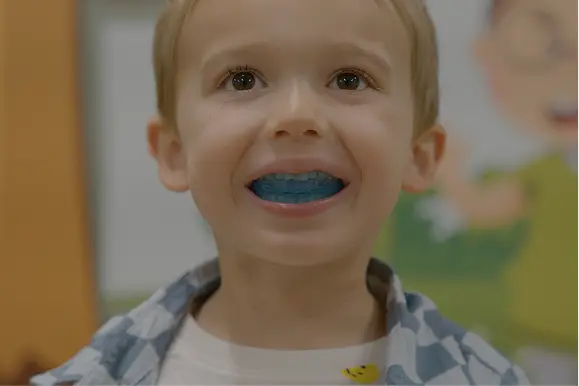
MyoWay Centers for Kids uses patented medical-grade myofunctional orthopedic appliances to provide gentle structural guidance.
These appliances are designed to support natural growth by helping develop the dental arches and creating the room needed for permanent teeth to erupt properly.
By developing the bone early, we create the necessary space for the tongue to rest in the correct position and for the airway to develop more fully.
Without this space, children may continue to struggle with chronic breathing dysfunction, complex dental issues, sleep disruption, and impaired speech articulation.
The goal of Form is to support healthy jaw structure while the child is still growing.
The MyoWay Centers for Kids approach: Active Myofunctional Therapy
Muscles are the architects of the bone.
The tongue, lips, cheeks, and airway muscles influence how a child breathes, sleeps, swallows, chews, speaks, and grows.
When these muscles are weak, dysfunctional, or poorly coordinated, the jaw and airway may not develop the way they should.
Through specialized myofunctional therapy, we retrain the tongue, lips, cheeks, and airway muscles to function properly.
To support this process, MyoWay Centers for Kids uses a combination of active and passive myofunctional exercise appliances. These tools provide targeted resistance and guidance needed to build muscle tone, improve oral posture, and help maintain an open, patent airway.
This is not just about doing exercises. It is about retraining the neuromuscular system.
By correcting muscle dysfunction, we help provide the neuromuscular foundation required for:
This optimized fuel supply supports the prefrontal cortex, which plays an important role in:
The goal of Function is to help the muscles support the structure instead of working against it.
The MyoWay Centers for Kids approach: Buteyko Breathing Exercises
Nasal breathing is the necessary starting point for healthy development, but true breathing health goes beyond simply using the nose.
The true fuel for the body is efficient oxygen utilization.
At MyoWay Centers for Kids, we integrate evidence-based Buteyko Breathing exercises to help biologically reset the breathing center and improve the way the body breathes.
Our focus is to move beyond “just breathe through your nose” and help the body become physiologically capable of delivering and using oxygen correctly at a cellular level.
This matters because a child can have an open airway and still have poor breathing patterns. A child can breathe through the nose and still overbreathe, mouth breathe at night, sleep poorly, or fail to use oxygen efficiently.
Buteyko Breathing is used to support healthier breathing rhythms, better carbon dioxide tolerance, improved oxygen delivery, and more efficient oxygen use at a cellular level.
When oxygen utilization improves, the body and brain are better supported.
This optimized fuel supply supports the prefrontal cortex, which plays an important role in:
The goal of Fuel is to improve the breathing and oxygen system that supports the child’s brain, body, sleep, and development.
At MyoWay Centers for Kids, we focus on a synergy of three distinct training components to create meaningful structural and functional change that supports the airway for a lifetime.
These symptoms often connect back to how the child is breathing, sleeping, growing, and developing.
Many programs focus on only one part of the problem.
Some focus only on appliances. Some focus only on myofunctional exercises. Some focus only on nasal breathing.
At MyoWay Centers for Kids, we address Form, Function, and Fuel at the same time
This matters because the jaw, tongue, lips, cheeks, airway muscles, sleep quality, nasal breathing, and oxygen efficiency all influence one another.
When these systems are not working together properly, children may develop symptoms such as mouth breathing, snoring, restless sleep, crowded teeth, speech challenges, poor focus, emotional dysregulation, and long-term orthodontic instability.
The goal of MyoWay Centers for Kids therapy is not simply to manage symptoms.
The goal is to retrain the system so your child can breathe, sleep, grow, and function better.

Modern research continues to show a connection between oral development, airway health, sleep quality, and overall quality of life.
By age 6, approximately 60% of a child’s craniofacial growth is complete
This is why early evaluation matters.
Intervening during growth gives us the opportunity to guide the jaw while the child is still developing. It is much easier to guide growth while the structure is still forming than to try to correct a finished structure later.
Children with neurodevelopmental differences, including Autism Spectrum Disorder, are significantly more likely to suffer from sleep-disordered breathing.
Proper airway support can be an important part of helping with sleep quality, behavioral stability, regulation, and daily function.
Up to 50% of children diagnosed with ADHD may have an underlying sleep-related breathing disorder.
When a child’s brain is not receiving oxygenated, restorative sleep, it can show up as hyperactivity, emotional volatility, impulsivity, difficulty focusing, and poor regulation.
In some children, symptoms that look like ADHD may actually be connected to sleep and airway dysfunction.
Untreated airway issues can lead to fragmented sleep.
Some studies link chronic sleep disruption and airway concerns to lower cognitive performance when compared to nasal-breathing peers.
Better breathing and better sleep can support the brain’s ability to learn, focus, regulate, and recover.
Development is a physical process, and certain red flags may indicate that your child’s jaw, airway, muscles, sleep, or breathing patterns need support.
Many parents are told these symptoms are normal or that their child will grow out of them. In many cases, these signs are not random.
They may be clues that the underlying system is struggling.
Snoring is the sound of an obstructed airway.
When a child tosses and turns, wakes frequently, or grinds their teeth, it may be the body’s attempt to reposition the jaw and open a restricted airway during sleep.
Bruxism, or teeth grinding, can sometimes be a subconscious effort to prevent airway collapse.
Restless sleep should not always be dismissed as a sleep habit. It may be a sign that the child is working harder than they should to breathe at night.
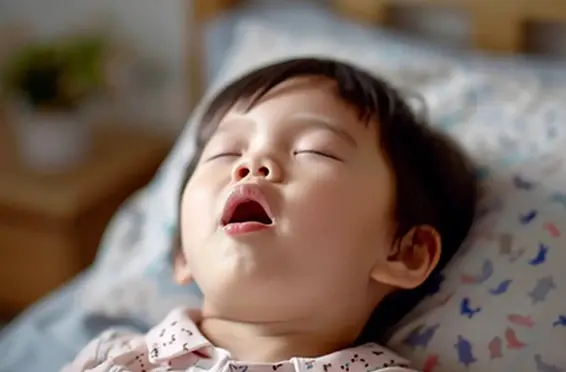
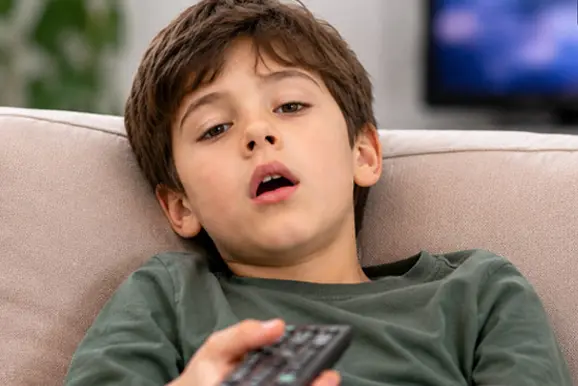
The nose is designed for breathing.
Persistent mouth breathing bypasses the nose’s natural filtration, humidification, and regulation system.
It can contribute to chronic inflammation, poor sleep, and a low tongue posture.
When the tongue rests low instead of on the roof of the mouth, the upper jaw may not receive the natural support it needs to grow wide and properly.
Over time, this can contribute to a narrow palate, crowded teeth, and a smaller airway.
Chronic swelling or frequent infections of the tonsils and adenoids can physically block the airway.
When a child cannot breathe well through the nose, the jaw and face may adapt around the obstruction.
This can cause the jaw to grow downward instead of forward, contributing to a narrow face, recessed chin, poor sleep, and chronic airway problems.


Many children diagnosed with ADHD may also be suffering from sleep-disordered breathing.
When a child’s brain is deprived of oxygenated, restorative sleep, the result can look behavioral.
These symptoms may mirror ADHD, but in some children, they are rooted in a biological airway and sleep deficiency.
Prolonged thumb sucking or pacifier use can create an artificial vacuum in the mouth.
This can arch the palate, push the teeth outward, and trap the tongue in a low position.
Those changes can directly narrow the space available for the nasal airway and contribute to long-term oral development concerns.
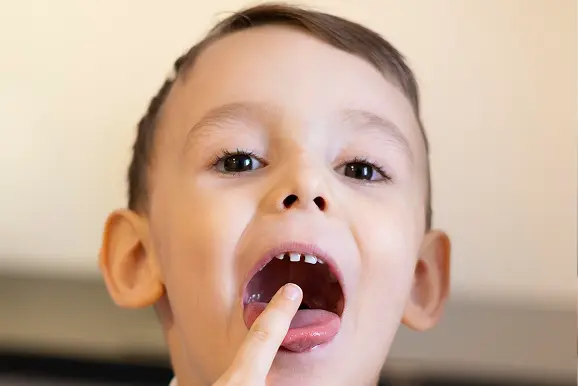
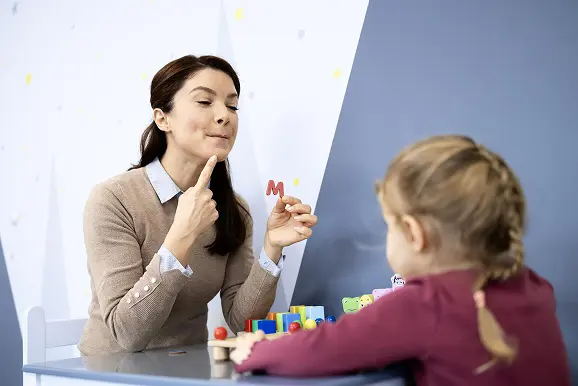
Clear speech requires the tongue to have room, strength, and range of motion.
When the jaw is narrow or the tongue is weak, children may develop lisps, muffled speech, or difficulty with certain sounds.
This often happens because the tongue does not have the structural room or muscle control needed to hit proper articulatory targets.
Dark circles under the eyes, sometimes called allergic shiners, may be associated with chronic nasal congestion and poor venous drainage.
Forward head posture can also be a compensation pattern.
Some children posture their head forward to help open the airway so they can breathe more easily.

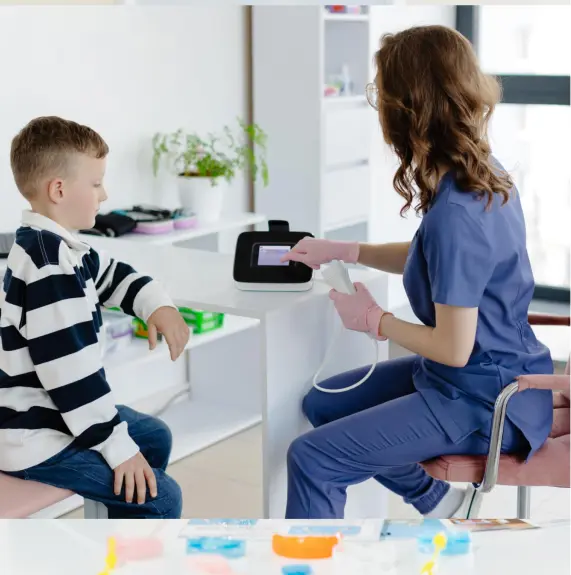
MyoWay Centers for Kids offers structured programs designed to guide your child through every stage of growth.
Rather than using a one-size-fits-all model, we provide specific Developmental Level Programs that address the unique biological needs of your child’s current age, milestones, airway needs, oral function, sleep patterns, and clinical findings.
Each program is personalized.
The examples below are general guidelines, but your child’s final plan will be based on their evaluation.
This stage focuses on initial development and strengthening.
The goal is to establish proper oral posture and airway muscle tone from the start.
This program may support children with:
Focus areas may include breaking restrictive habits, supporting nasal breathing, improving oral posture, strengthening oral function, and guiding jaw growth by prioritizing a correct resting tongue position.
The goal is to support proper oral function early, before poor patterns become harder to correct.
This is our primary intervention program, as 60% of craniofacial growth is completed by age six.
The goal of this program is active growth guidance, foundational oxygen efficiency, and cognitive support.
This stage may include:
Focus areas may include breaking restrictive habits, supporting nasal breathing, improving oral posture, strengthening oral function, and guiding jaw growth by prioritizing a correct resting tongue position.
The goal is to support proper oral function early, before poor patterns become harder to correct.
The goal is to guide jaw growth, strengthen the muscles that support the airway, improve breathing patterns, and support the child’s sleep, focus, memory, emotional regulation, and development.
This program provides a more intensive application of the MyoWay Centers for Kids core protocols for school-aged children.
The goal is functional stabilization of the airway, advanced oxygen efficiency, and cognitive support.
This may be appropriate for children with:
This stage may include:
These advanced protocols are reinforced with animated muscle and breathing exercise videos, giving the child a clear roadmap to follow at home.
The goal is to improve function, stabilize the airway, support oxygen efficiency, and help the child build healthier patterns for sleep, focus, growth, and long-term function.
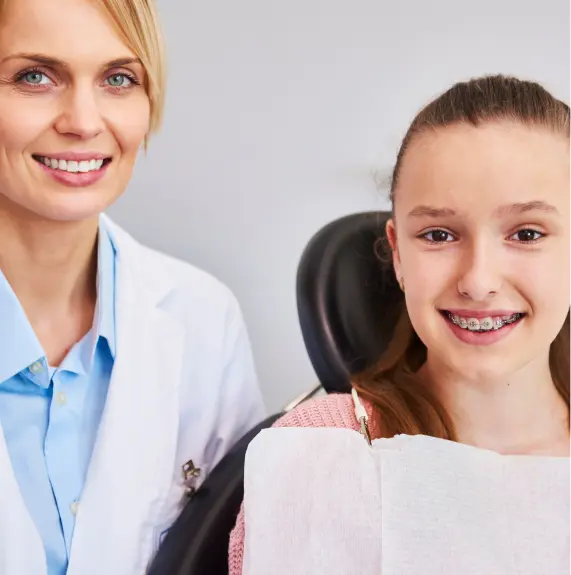
For children requiring traditional orthodontic care, MyoWay Centers for Kids provides specialized support to help maximize clinical outcomes.
MyoWay Centers for Kids does not replace orthodontics.
Instead, we address the underlying muscle, tongue posture, swallowing, oral habits, and breathing patterns that often cause orthodontic relapse.
The goal is efficiency in treatment and long-term stability.
This program may help:
Our specialized exercise protocols may be paired with animated instructional videos to help the child practice correctly and build better habits at home.
The goal is not just straighter teeth.
The goal is a better-functioning oral and airway system that can help support more stable orthodontic results.
MyoWay Centers for Kids also offers a program specifically for adults to address long-standing developmental deficiencies, breathing concerns, sleep concerns, and oral function concerns.
The goal is improved muscle tone, function, breathing patterns, and sleep quality.
This program may include:
Adults often come to this work after years of mouth breathing, poor sleep, orthodontic relapse, tongue posture issues, jaw tension, snoring, or airway concerns.
The goal is to improve function and help adults address patterns that may have been present for years.
Airway health is a multidisciplinary journey.
At MyoWay Centers for Kids, we believe the best results happen when everyone is on the same page.
All of our programs are designed to be coordinated with your child’s existing healthcare providers whenever appropriate.
We regularly communicate and partner with:
Our goal is to help everyone involved in your child’s care understand how breathing, sleep, jaw development, oral function, and airway health may be connected.
This collaborative approach helps families avoid fragmented care and gives children a more complete support system.
At MyoWay Centers for Kids, we believe high-level airway care should be accessible regardless of where your family lives.
All MyoWay Centers for Kids programs are available through virtual video visits.
Yes.
Our clinical process is exactly the same whether you are in our office or on your screen.
Because our therapy is based on appliance guidance and neuromuscular retraining, we achieve the same measurable results through our secure, private medical-level video portal.
You will receive the same personalized attention, expert coaching, and high-tier clinical oversight that our in-person families enjoy.
Virtual visits include:
The goal is to give your family access to expert support without requiring every visit to happen in person.
To ensure your virtual session is as productive as a clinic visit, please keep the following in mind:
At MyoWay Centers for Kids, our therapy sessions are not generic.
We reject the limited clinical oversight model and instead provide a high-touch, medically rooted experience.
Your child’s program is a custom-designed roadmap where the number of sessions, appliance use, breathing work, exercise intensity, and at-home guidance are precisely calibrated to their unique biological needs.
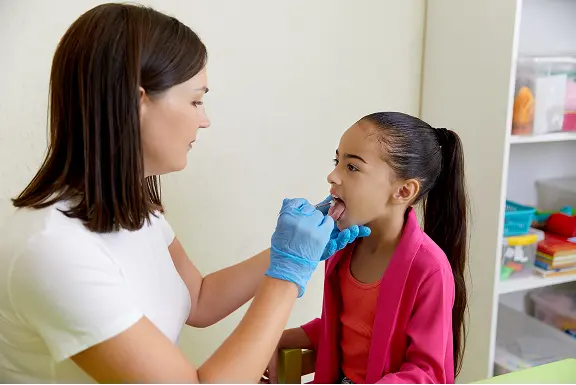
Your visit includes a comprehensive evaluation of your child’s:
We will explain exactly what we see, why it matters, and how it may be impacting your child’s:
Most programs average 6 to 12 months with 6 to 8 personalized, therapist-guided sessions using FDA-approved myofunctional therapy appliances paired with breathing and myofunctional exercise videos.
Since your child’s growth is happening right now, many families choose to start therapy the same day as the evaluation.
To help you move forward without delay, we strongly encourage all caregivers involved in medical and financial decisions to attend the appointment.
We invite you to review our Frequently Asked Questions and program details before your appointment.
We also suggest discussing any concerns together as a family prior to the visit so you can feel aligned and confident in starting therapy immediately if it is prescribed.
To support families who are ready to take action, we offer a Same-Day Start Incentive Program.
Every session is tailored to the individual child and led by specialists who understand the complexities of craniofacial growth, breathing development, oral function, airway health, and
myofunctional therapy.
We do not just treat red flags. We work to biologically retrain the system to function correctly.
Our methods are evidence-based and address the Three Pillars of development simultaneously: Form, Function, and Fuel.
This means we are supporting the bone, retraining the muscles, and improving the breathing and oxygen system together.
We look at the intersection of sleep, focus, dental health, breathing, and overall systemic well-being.
We track progress through clear, measurable milestones to ensure long-term success and to help families understand how the program is working.
Families receive a higher tier of clinical oversight to help keep the plan on track and make sure goals are being met.
For many parents, understanding the connection between a child’s breathing, sleep, and development helps clarify why early support matters.
At MyoWay Centers for Kids, we recognize that growth is happening every day. Our process is designed to help families begin promptly when therapy is recommended.
If therapy is recommended, we are prepared to enroll your family and provide your first set of clinical tools immediately following the evaluation.
Many families choose to start therapy the same day so they can begin support during an active developmental window.
We believe care should be predictable, transparent, and accessible.
At MyoWay Centers for Kids, our programs are never one-size-fits-all. We design a custom roadmap specifically for your child’s biological needs.
To support strong clinical consistency, MyoWay Centers for Kids utilizes an all-inclusive program package system rather than a traditional pay-per-visit model.
Bundled packages typically range from $550 to $2,800 depending on complexity, age-specific needs, and the recommended plan.
Flexible monthly payment options are available, with some options as low as $99/month.
By bundling the program, we remove the clinical friction of counting sessions.This allows us to focus on your child’s progress.
Families know the investment from the beginning, with no fluctuating costs or unexpected visit-by-visit fees.
Comprehensive care requires consistency.
Our packages help ensure every tool is integrated into one coordinated plan, including:
The goal is to support lasting functional improvement, not temporary symptom management.
We offer manageable payment plans with some options as low as $99/month.
To make care as accessible as possible, these internal plans are not credit-based. That means there are no credit checks required.
These payment plans are also offered at 0% interest.
Our programs are compatible with HSA and FSA accounts.
To ensure our clinical decisions are based on what your child needs, we do not bill insurance directly.
Traditional insurance models often limit the types of therapy or the number of visits a child can receive, which can compromise results.
We can provide detailed documentation for you to submit to your carrier.
Some families find that their insurance may allow for direct reimbursement, putting the control back in your hands.
Bundled packages typically range from $550 to $2,800 depending on complexity and age-specific needs.

Age 4 to 5 is often part of the Golden Window.
It is much easier to guide growth than to fix a finished structure later.
Yes.
We tailor our approach to each child’s specific age, sensory needs, behavioral needs, and developmental stage.
This is especially important for children with Autism Spectrum Disorder or sensory processing challenges.
No.
MyoWay Centers for Kids does not provide orthodontics.
However, orofacial myofunctional therapy may significantly reduce the time a child spends in braces later and may help prevent orthodontic relapse by addressing the muscle, tongue posture, swallowing, and breathing patterns that affect dental stability.
Yes.
Since our program is based on appliance guidance, muscle retraining, breathing exercises, video support, coaching, and progress monitoring, many families can complete therapy successfully through virtual video visits.
MyoWay Centers for Kids may still be able to help.
We focus on the oral posture, breathing habits, tongue function, swallowing patterns, and muscle function that influence orthodontic outcomes and long-term stability.
We know that starting a new health journey is a big decision for any family.
To help you feel confident and ready to take action during your visit to MyoWay Centers for Kids, we recommend that all caregivers review these key questions together before your appointment.
Before the visit, take a moment to observe your child during sleep or quiet play.
Discussion Point:
“Have we noticed [Child’s Name] breathing through their mouth, snoring, or struggling with certain food textures? How long has this been happening?”
Why it matters:
Recognizing these signs together helps you provide us with a clear picture of your child’s daily struggles.
Connect the physical symptoms to your child’s behavior and mood
Discussion Point:
“Is [Child’s Name] often tired, easily frustrated, or struggling to focus at school or therapy? Could a lack of oxygenated sleep be the underlying cause?”
Why it matters:
Understanding the cost of waiting helps families prioritize intervention.
Discussion Point:
“Have we noticed [Child’s Name] struggling with sleep, focus, or speech? Are we looking for a way to address why the jaw is narrow or why they breathe through their mouth, rather than just waiting for braces or surgery later?”
Why it matters:
Looking for the root cause helps families understand that these concerns may be connected to growth, airway, breathing, sleep, and oral function rather than isolated symptoms.
Discussion Point:
“Does [Child’s Name] wake up tired or seem hyperactive or irritable during the day? Could their ADHD-like symptoms actually be connected to a lack of oxygenated, restorative sleep?”
Why it matters:
Understanding the connection between sleep, oxygen, focus, behavior, and emotional regulation can help families make a more informed decision about care.
Myofunctional therapy is most successful when the family is aligned.
Discussion Point:
“Are we both comfortable starting therapy today if the evaluation shows an immediate need? Do we agree that guiding their growth now is better than invasive surgery or years of braces later?”
Why it matters:
Addressing this together now helps parents get aligned before the appointment, which can avoid delays in care and help your child get support sooner if treatment is needed.
Discussion Point:
“Are we prepared to incorporate simple daily muscle exercises and myofunctional appliances into our routine? Do we agree that guiding growth now is more effective than fixing a finished structure later?”
Why it matters:
Daily consistency is an important part of functional retraining. Families who understand the commitment are better prepared for success.d.
Discussion Point:
“Do we prefer a pay-per-visit model, or do we see the value in an all-inclusive package that provides ongoing accountability and measured gains until the goals are reached?”
Why it matters:
Understanding the value of a package model helps families see the program as a complete roadmap rather than disconnected visits.
Review the FAQ at www.myowaycenters.com together.
Discussion Point:
“Do we understand how the payment plans and Same-Day Start Incentives work? What specific questions do we want to ask the MyoWay Centers for Kids team today?”
Why it matters:
The more prepared your family is before the appointment, the easier it is to make a confident decision if therapy is recommended.
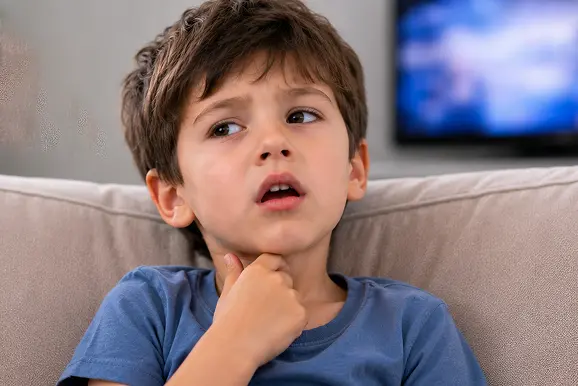
Mouth breathing, snoring, restless sleep, teeth grinding, focus issues, speech challenges, crowded teeth, and poor sleep can all be signs that your child’s airway and oral development need support.
Take the Risk Quiz to see if your child may be showing signs of jaw, airway, sleep, or myofunctional concerns.
Programs start as low as $99/month.