Before You Label the Behavior, Look at the Breathing
Your child may not be difficult. Their body may be exhausted.
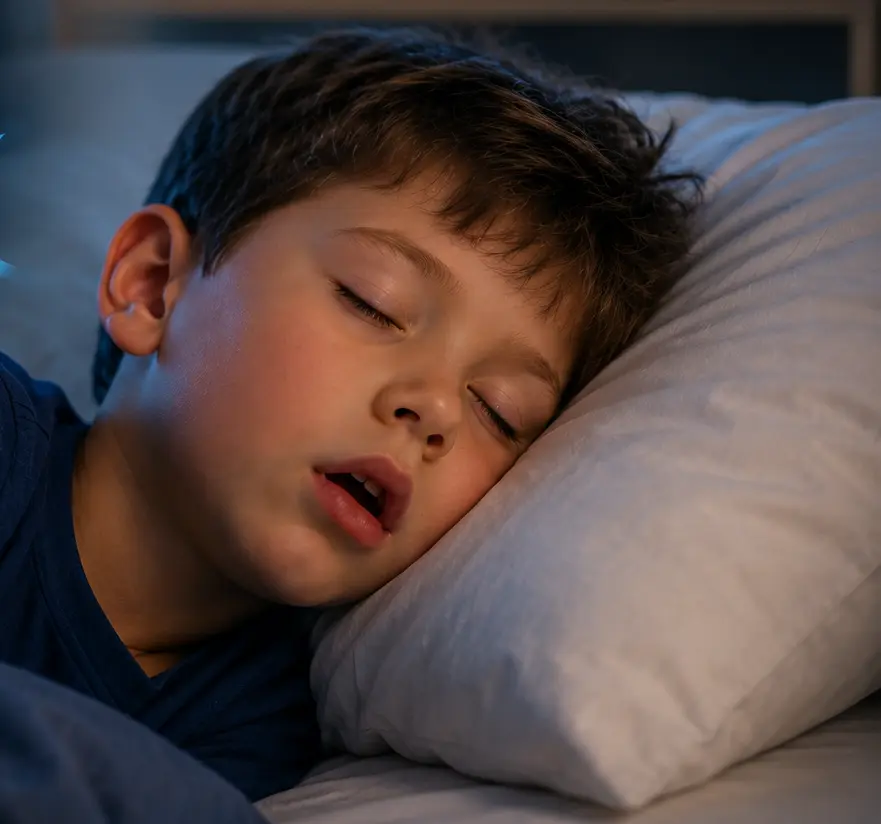
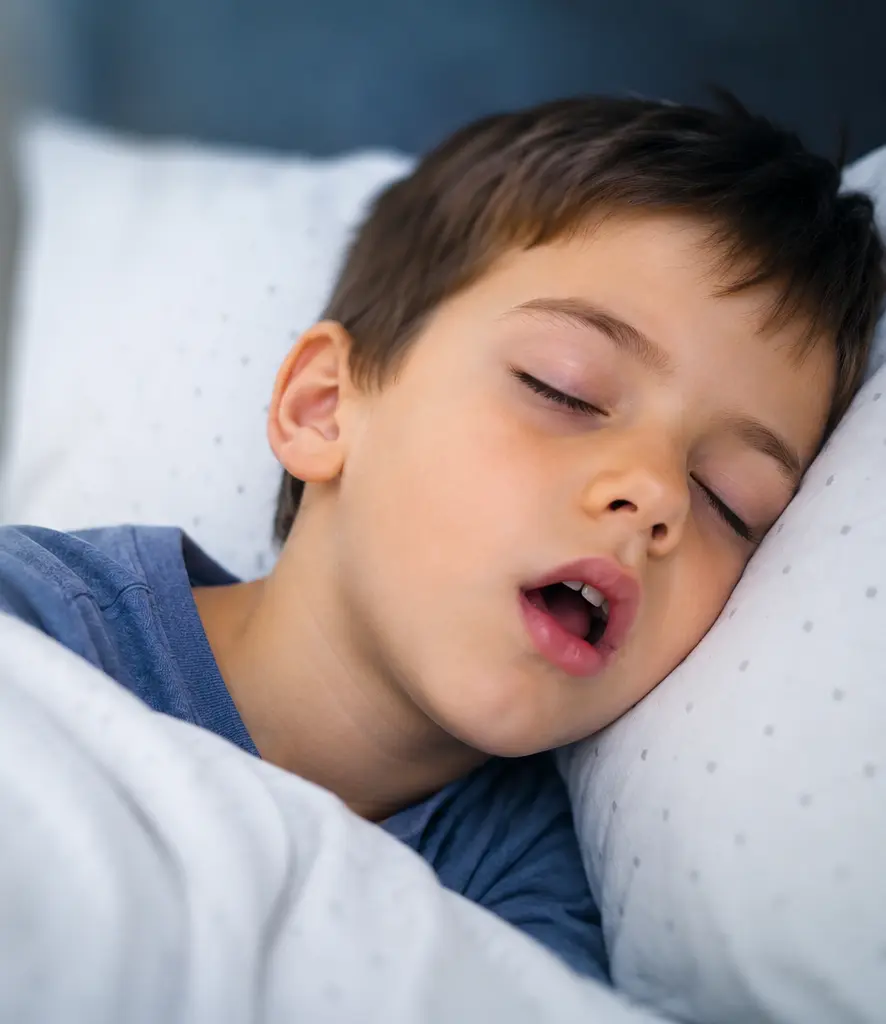
Many parents come to us after months, or even years, of trying to understand why their child is struggling. The concerns often start small. A child becomes more emotional, more restless, or more reactive. School becomes harder. Focus seems inconsistent. Bedtime is difficult. Sleep looks unsettled. A parent may notice snoring, mouth breathing, teeth grinding, or a child who wakes up tired even after a full night in bed.
At first, these concerns may seem unrelated. Behavior is treated as one issue. Sleep is treated as another. Crowded teeth are often pushed off until later. Mouth breathing is commonly dismissed as a habit.
In many cases, there is a deeper question worth asking: how well is this child breathing?
At MyoWay Centers for Kids, we help families understand the connection between breathing, sleep, oral function, and jaw and airway development. When a child is not breathing well, especially during sleep, the body may remain in a more stressed and reactive state. Over time, that stress can influence how a child feels, focuses, learns, and regulates emotions during the day.
This does not mean every behavioral concern is caused by breathing. It means breathing should be part of the conversation.
Can Mouth Breathing Affect a Child’s Behavior?
Mouth breathing in kids may be connected to poor sleep quality, lower daytime energy, difficulty focusing, emotional reactivity, and changes in oral and jaw development. When a child is not breathing comfortably through the nose, particularly at night, the body may need to work harder to rest. That can affect the quality of sleep, even when the child appears to be sleeping for enough hours.
This is important because children do not always show tiredness the way adults do. A tired adult may slow down. A tired child may become more active, more impulsive, more emotional, or more difficult to calm. What looks like a behavior problem during the day may sometimes begin with disrupted breathing and poor sleep at night.
Parents should pay attention when mouth breathing appears alongside snoring, restless sleep, crowded teeth, tired mornings, poor focus, or frequent emotional outbursts. These signs do not confirm a diagnosis, but they are worth evaluating.
The Hidden Stress of Poor Breathing
Breathing should be easy and quiet. For many children, it is not.
Some children breathe through their mouth during the day. Others sleep with their mouth open at night. Some snore, toss and turn, grind their teeth, or wake up tired. Some children have smaller jaws, crowded teeth, narrow arches, or oral habits that affect how the tongue, lips, and jaw function.
These details matter because a child’s body is growing every day. The jaw, airway, tongue, lips, and breathing patterns all influence one another. When the tongue rests low, when the lips do not seal comfortably, or when the child relies on mouth breathing, oral and facial development may be affected over time.
Many parents are told to wait. Wait until the child grows out of it. Wait until all the adult teeth come in. Wait until braces. Wait until the behavior becomes more obvious.
Waiting can feel reassuring, but growth does not pause. If a child is showing signs of mouth breathing, restless sleep, snoring, poor focus, or jaw development concerns, those signs deserve attention while the child is still growing.
Why Behavior Is Not Always Just Behavior
Parents are often told to manage behavior with more structure, better routines, rewards, consequences, screen limits, or school support. Those tools can be helpful, and many families work incredibly hard to support their children.
Still, if a child’s body is under stress every night because breathing is not easy, behavior strategies may only address part of the problem.
A child who is not sleeping well may not have the same capacity to regulate emotions. A child who is mouth breathing may not be receiving the same support that nasal breathing provides. A child with poor oral function, a narrow dental arch, low tongue posture, or underdeveloped jaw structure may be dealing with a foundation issue that affects airway space, sleep quality, and growth.
This is why we encourage parents to ask a better question. Instead of only asking, “Why is my child acting this way?” ask, “How is my child breathing?”
That question can change the direction of the conversation.
The Brain Needs Rest to Grow and Regulate
Childhood is a critical period for brain development. During growth, the brain is constantly forming patterns based on what the body experiences. Sleep, oxygen, movement, nutrition, connection, and a sense of safety all matter.
When a child is breathing well and sleeping deeply, the brain has a stronger foundation for attention, learning, memory, emotional regulation, and problem solving. When a child struggles to breathe well during sleep, the body may spend more time in a reactive state. That can look like survival mode.
In survival mode, the body is not focused on calm reasoning. It is focused on getting through stress. For a child, that may look like quick reactions, low frustration tolerance, poor impulse control, and difficulty calming down.
This is where jaw and airway development becomes so important. A child’s breathing patterns are not separate from the rest of the body. The way a child breathes can influence sleep quality, and sleep quality can influence how that child functions during the day.
Mouth Breathing in Kids Is Not Just a Habit
Mouth breathing in kids is one of the most important signs parents can notice. Nasal breathing helps filter, warm, and humidify air. It also supports healthier oral posture and better function of the tongue and lips. When a child mainly breathes through the mouth, the tongue may rest low instead of gently supporting the upper jaw.
Over time, this may influence oral function, jaw development, facial growth patterns, and sleep quality.
Parents may notice open mouth posture, mouth breathing during sleep, snoring, restless sleep, teeth grinding, crowded teeth, dry lips, dark circles under the eyes, tired mornings, poor focus, emotional outbursts, frequent congestion, or difficulty chewing with the mouth closed.
These signs do not mean a parent should panic. They mean it is time to look deeper. The earlier these patterns are identified, the more opportunity there may be to support healthier function while the child is still developing.
Why Jaw and Airway Development Should Start Early
Many families are told to wait until all adult teeth come in before thinking seriously about orthodontics. That approach may make sense for some tooth alignment concerns, but it may not be enough when the issue involves growth, airway development, oral function, and sleep.
At MyoWay Centers for Kids, we look at the foundation. Teeth do not crowd for no reason. Mouth breathing does not happen in isolation. A small jaw, low tongue posture, poor lip seal, oral habits, and restricted breathing patterns may all be connected.
Early support focuses on function and development, not just straight teeth. The goal is to encourage better oral posture, nasal breathing, jaw development, and healthier growth patterns. For some children, this may also support better sleep quality, better focus, and improved daily regulation.
This is not about fear. It is about recognizing that children are actively growing, and growth is the best time to ask the right questions.
The Connection Between Sleep, Focus, and Attention
Many parents begin searching for answers because their child is struggling at school. They may hear concerns about focus, sitting still, following directions, emotional control, or impulsiveness. Some children are evaluated for attention concerns. Others are described as distracted, anxious, sensitive, defiant, or hard to manage.
These concerns deserve compassion and careful evaluation. Sleep should be part of that evaluation.
Poor sleep quality can affect how a child thinks, learns, remembers, and responds. A child who is not getting restful sleep may struggle to access the calmer, more thoughtful parts of the brain during the day. Instead, that child may become more reactive.
This does not mean sleep is the only factor. It means sleep and breathing are too important to ignore.
Before assuming a child’s behavior is purely behavioral, parents should consider whether the child is sleeping with an open mouth, snoring, grinding teeth, waking frequently, breathing through the mouth during the day, or showing signs of jaw and airway development concerns.
The question is not, “Is this child misbehaving?” The better question may be, “Is this child’s body trying to function without enough quality rest?”
What MyoWay Centers for Kids Looks For
MyoWay Centers for Kids helps families look deeper than surface symptoms. Our work focuses on pediatric myofunctional therapy, oral function, nasal breathing, jaw and airway development, and early growth patterns.
During an evaluation, we consider how a child breathes during the day and night, whether the lips seal comfortably, how the tongue rests, whether teeth are crowded, how the jaw is developing, and whether sleep symptoms are present. We also look at oral habits that may be affecting growth and function.
For some children, support may include myofunctional exercises, medical grade appliances, habit correction, and collaboration with other health care providers when needed. The goal is not to label children. The goal is to understand what their body may be showing us.
When parents connect the dots between breathing, sleep, behavior, and development, many feel relief. They are not imagining things. Their child is not simply being difficult. There may be a reason their child is struggling.
Why Parents Should Not Wait for the Problem to Get Bigger
Parents are often told to wait, especially when a child is young. Waiting may seem harmless, but a child’s jaw, airway, oral habits, sleep patterns, and brain development are changing every day.
Early signs are not meant to create fear. They are meant to create awareness. If your child snores, mouth breathes, sleeps restlessly, wakes tired, struggles with focus, has crowded teeth, or seems constantly reactive, it may be time to look deeper.
You do not need to have all the answers before asking for help. A consultation can help you understand whether jaw and airway development may be part of your child’s bigger picture.
A Better Question for Parents
Instead of asking, “What is wrong with my child?” ask, “What is my child’s body trying to tell me?”
That question shifts the conversation away from blame and toward understanding. It helps parents look at the full child, not just the behavior. It opens the door to seeing how breathing, sleep, oral function, and development may be connected.
Your child’s big emotions may not be random. Their poor focus may not be laziness. Their restlessness may not be defiance. Their mouth breathing may not be just a habit.
Their body may be asking for support.
Frequently Asked Questions
Can mouth breathing affect my child’s behavior?
Mouth breathing may be connected to poor sleep quality, lower energy, emotional reactivity, and difficulty focusing in some children. When a child is not breathing comfortably, especially during sleep, the body may stay in a more stressed state. That stress can show up during the day as behavior, attention, or regulation challenges.
Is snoring normal in children?
Occasional noisy breathing may happen when a child is congested, but regular snoring should not be ignored. Snoring can be a sign that airflow is restricted during sleep. If your child snores often, sleeps restlessly, or wakes up tired, it may be worth looking deeper at breathing, sleep quality, and airway development.
What are the signs of poor airway development in children?
Signs may include mouth breathing, snoring, restless sleep, crowded teeth, narrow dental arches, open mouth posture, teeth grinding, poor focus, and frequent emotional outbursts. These signs do not confirm a diagnosis, but they can help parents know when to ask better questions.
How is jaw development connected to breathing?
The jaw, tongue, lips, and airway work together. When the jaw is narrow or underdeveloped, there may be less room for the tongue and airway structures to function well. Supporting healthier jaw and oral function during growth may help encourage better breathing patterns and sleep quality.
When should parents seek help for mouth breathing in kids?
Parents should consider an evaluation if mouth breathing happens often, especially during sleep, or if it appears with snoring, restless sleep, crowded teeth, poor focus, tired mornings, or emotional regulation challenges. Early evaluation can help identify whether oral function, jaw development, or airway concerns may be part of the picture.
What does pediatric myofunctional therapy support?
Pediatric myofunctional therapy supports healthier oral function by helping improve patterns related to tongue posture, lip seal, nasal breathing, swallowing, and oral habits. At MyoWay Centers for Kids, this approach is part of a broader focus on jaw and airway development, sleep quality, and healthier growth patterns.
How MyoWay Centers for Kids Can Help
At MyoWay Centers for Kids, we help parents understand what may be happening underneath the symptoms. Our approach supports airway development, encourages nasal breathing, promotes better oral function, and helps guide healthier growth patterns through pediatric myofunctional therapy and medical grade appliances.
We believe parents deserve clear answers, not vague reassurance. Children deserve support before small signs become bigger struggles.
A child who breathes better and sleeps better may have a stronger foundation for focus, learning, regulation, and growth. If your child is mouth breathing, snoring, sleeping restlessly, struggling with focus, or showing signs of jaw and airway development concerns, this is the time to ask deeper questions.
Book your free consultation in under 5 minutes.
https://mychart.myoryx.com/patient/#/auth/onlineschedule?realm=myoway&univers=com