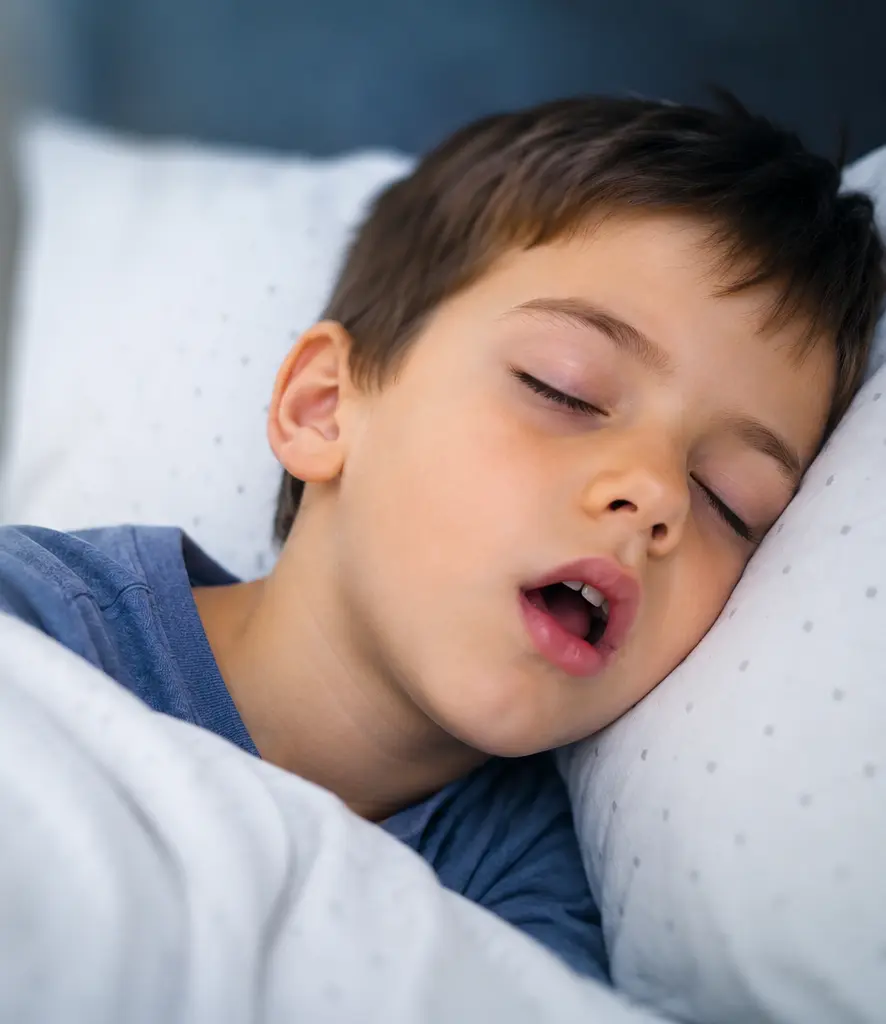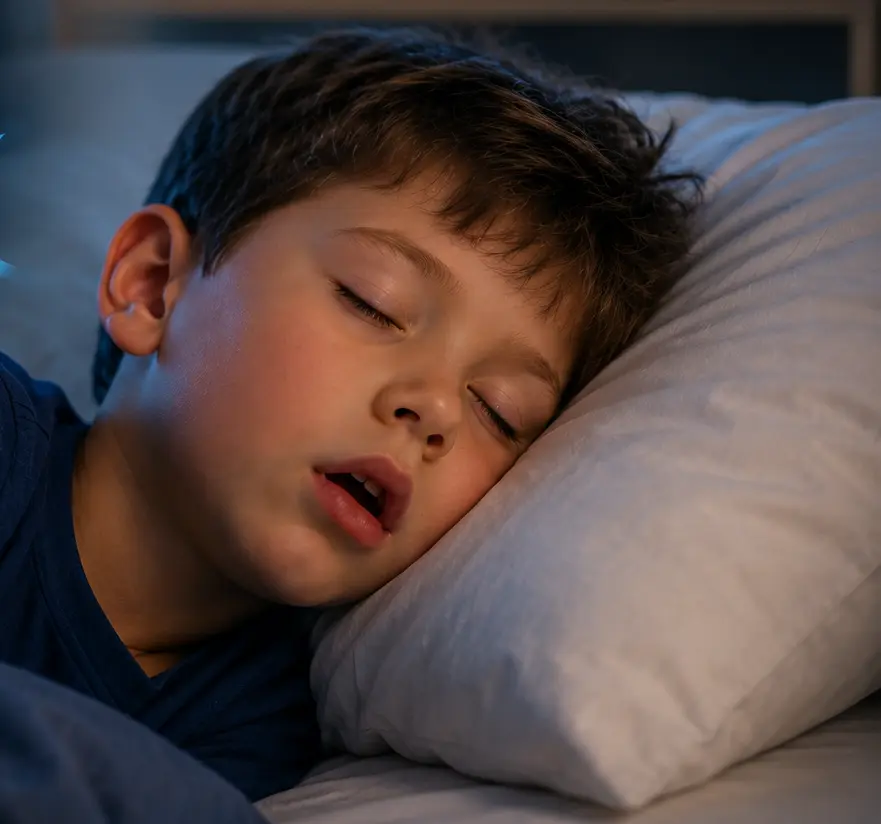

Many parents notice their child sleeping with their mouth open, breathing through the mouth during the day, or waking up tired even after a full night of sleep. At first, it may seem harmless. Some families are told it is just a habit or something their child may eventually outgrow.
Mouth breathing in kids can be more than a habit. It can be a sign that the airway, tongue posture, oral muscles, or jaw development may need a closer look.
The way a child breathes matters because breathing is connected to how the tongue, lips, cheeks, jaw, and facial muscles function. During childhood, those muscles help guide growth. When a child regularly breathes through the mouth, the muscles of the face and mouth may begin working differently. Over time, those patterns may influence how the jaw and face develop.
At MyoWay Centers for Kids, we help families understand the connection between breathing, oral function, sleep, focus, and airway development. Early awareness gives parents the opportunity to support healthier growth while their child is still developing.
What Is Mouth Breathing in Kids?
Mouth breathing happens when a child regularly breathes through the mouth instead of the nose. It may happen during sleep, during the day, or both.
Children are designed to breathe through the nose most of the time. Nasal breathing helps warm, filter, and humidify the air before it reaches the lungs. It also supports proper tongue posture, lip seal, and balanced oral muscle function.
When a child breathes through the mouth, the body has to adapt. The lips may stay apart. The tongue may rest low in the mouth. The jaw may hang open. The muscles of the face may begin functioning in a way that supports mouth breathing instead of nasal breathing.
These changes may seem small, but they can matter during the years when a child’s face, jaw, teeth, and airway are still growing.
Why Mouth Breathing Can Affect Facial and Jaw Development
A child’s bones do not grow without influence. Muscle activity helps guide bone growth.
The tongue, lips, cheeks, and jaw muscles create gentle forces that help shape the mouth and face over time. When these muscles are working in a balanced way, they help support healthy oral development. When the muscles are not functioning as they should, growth patterns may be affected.
For example, the tongue should usually rest gently against the roof of the mouth. This position helps support the upper jaw and encourages healthy development of the palate. When a child mouth breathes, the tongue often rests low instead. That low tongue posture may reduce the natural support the tongue provides to the upper jaw.
Over time, persistent mouth breathing may be connected with concerns such as:
- Narrow upper jaw
- Crowded teeth
- Open mouth posture
- Changes in facial growth patterns
- Difficulty keeping the lips closed
- Poor oral rest posture
- Increased strain on the jaw and facial muscles
Every child is different, and mouth breathing does not affect every child in the same way. Still, persistent mouth breathing is worth evaluating because it may be a sign that the body is compensating for an underlying airway or functional concern.
The Role of the Tongue in Healthy Growth
The tongue plays a major role in how the mouth and jaw develop.
At rest, the tongue should sit comfortably against the roof of the mouth, with the lips closed and the child breathing through the nose. This resting position supports the upper jaw, encourages proper oral posture, and helps create a stable foundation for growth.
When a child’s tongue rests low in the mouth, the upper jaw may not receive the same natural support. The cheeks may also place inward pressure on the dental arches. Over time, this imbalance can influence the shape of the mouth and the amount of room available for teeth.
Parents may notice crowded teeth and think the problem is only dental. In many cases, crowded teeth can also be a sign that the jaw did not have enough room to develop fully. This is why airway development, tongue posture, and oral muscle function are important pieces of the bigger picture.
Signs Your Child May Be Mouth Breathing
Parents do not need to diagnose mouth breathing at home. They can simply pay attention to patterns.
Signs that may suggest your child is mouth breathing include:
- Sleeping with the mouth open
- Breathing through the mouth during the day
- Dry lips or dry mouth
- Snoring
- Restless sleep
- Teeth grinding
- Waking up tired
- Dark circles under the eyes
- Difficulty waking in the morning
- Crowded teeth
- Narrow smile
- Forward head posture
- Frequent drooling
- Trouble keeping the lips closed
- Struggles with focus or emotional regulation
These signs do not always point to one single cause. They are signals that your child’s breathing, oral posture, and sleep quality may need a closer look.
How Mouth Breathing May Affect Sleep and Focus
Mouth breathing often becomes most noticeable at night.
A child may sleep with the mouth open, move around constantly, snore, grind their teeth, or wake up thirsty. Some children seem to sleep for many hours but still wake up tired. Others may be difficult to wake in the morning or seem emotionally drained before the day even begins.
Sleep is when the body restores, grows, and recharges. When breathing is not as efficient as it should be, sleep quality may be affected. Poor sleep quality can influence how a child feels, learns, and behaves during the day.
Parents may notice:
- Difficulty paying attention
- Low energy
- Mood swings
- Frustration with schoolwork
- Hyperactivity
- Trouble following directions
- Morning fatigue
- Bedtime struggles
Mouth breathing does not explain every sleep, behavior, or focus concern. A complete evaluation from qualified providers is important. However, breathing is often overlooked when families are trying to understand why a child is tired, unfocused, or struggling during the day.
A helpful question for parents is not only, “How much sleep is my child getting?”
It is also, “How well is my child breathing while sleeping?”
Why Early Evaluation Matters
Childhood is a key window for growth.
The jaw, airway, facial bones, and oral muscles are still developing. This creates an opportunity to support better function earlier, before certain patterns become more established.
Traditional orthodontic care often focuses on straightening teeth once crowding is already visible. Airway-focused development and pediatric myofunctional therapy look deeper. They focus on how the child is breathing, where the tongue rests, how the lips close, how the jaw functions, and whether the muscles are supporting healthy growth.
The goal is not just a straighter smile. The goal is to support better function.
That may include:
- Encouraging nasal breathing
- Supporting proper tongue posture
- Improving lip seal
- Promoting balanced oral muscle function
- Supporting jaw and airway development
- Helping families understand the root patterns behind visible symptoms
Early evaluation gives parents information. It helps families understand whether their child’s mouth breathing is a simple habit or a sign of a deeper functional concern.
How Pediatric Myofunctional Therapy Can Help
Pediatric myofunctional therapy focuses on the muscles of the mouth, face, tongue, and airway.
At MyoWay Centers for Kids, the goal is to support healthier oral function and encourage patterns that promote better breathing, sleep, and development. Therapy may focus on tongue posture, lip seal, nasal breathing, swallowing patterns, and oral muscle coordination.
This approach is gentle, structured, and designed for growing children. It is not about forcing change overnight. It is about helping the child build better function over time.
MyoWay uses medical-grade appliances and a structured myofunctional therapy program to support proper jaw and airway development. The focus is on early intervention, education, and helping families understand the connection between breathing and growth.
Some children may also benefit from collaborative care with other providers, such as pediatric dentists, orthodontists, ear, nose, and throat specialists, speech-language pathologists, or pediatricians. When providers work together, families can get a clearer picture of what their child needs.
Mouth Breathing Is Not Just a Habit
It is easy to dismiss mouth breathing because it can look normal. A child may not complain. They may not realize they are doing it. They may have breathed this way for so long that it feels natural to them.
That does not mean it is ideal.
Mouth breathing may be a sign that the body is compensating. The child may be struggling to breathe comfortably through the nose, maintain proper tongue posture, keep the lips closed, or sleep with a stable airway.
When those patterns continue during growth, they may influence the muscles and structures that help shape the face and jaw.
This is why parents should not feel alarmed, but they should feel informed. Mouth breathing is not something to ignore, especially when it appears with sleep concerns, crowded teeth, snoring, or daytime focus struggles.
Frequently Asked Questions
Is mouth breathing in kids really a problem?
Mouth breathing can be a concern when it happens regularly. It may affect tongue posture, lip seal, facial muscle function, sleep quality, and jaw development. Not every child will experience the same effects, but persistent mouth breathing is worth evaluating.
Can mouth breathing change the shape of a child’s face?
Mouth breathing may influence facial and jaw development because muscle function helps guide bone growth. When a child breathes through the mouth, the tongue, lips, cheeks, and jaw muscles may function differently during important growth years.
Why does tongue posture matter?
Tongue posture matters because the tongue helps support the upper jaw. When the tongue rests against the roof of the mouth, it supports healthy oral development. When the tongue rests low, the mouth and jaw may not receive the same natural support.
What are the signs of mouth breathing in children?
Common signs include sleeping with the mouth open, snoring, dry lips, restless sleep, teeth grinding, crowded teeth, dark circles under the eyes, difficulty waking, and trouble focusing during the day.
Can mouth breathing affect sleep?
Mouth breathing may be connected to poor sleep quality in some children. If a child is working harder to breathe at night, they may not get the deep, restful sleep they need for growth, learning, and emotional regulation.
Is pediatric myofunctional therapy the same as orthodontics?
Pediatric myofunctional therapy is different from orthodontics. Orthodontics often focuses on tooth alignment, while myofunctional therapy focuses on oral muscle function, tongue posture, lip seal, swallowing patterns, and breathing habits. These approaches may work together when appropriate.
When should my child be evaluated?
A child may benefit from an evaluation if they breathe through the mouth often, sleep with the mouth open, snore, wake tired, grind their teeth, have crowded teeth, or struggle with focus and energy during the day.
The Bottom Line
Mouth breathing in kids is not always just a phase. It can be a signal that the airway, tongue posture, jaw development, or oral muscles need attention.
Muscles help guide bone growth, the way a child breathes can influence more than parents may realize. Early evaluation can help families understand what is happening and what support may be appropriate.
At MyoWay Centers for Kids, we help children build healthier oral function and support proper airway development through pediatric myofunctional therapy.
Book your free consultation in under 5 minutes.
https://mychart.myoryx.com/patient/#/auth/onlineschedule?realm=myoway&univers=com