
Conditions
We Treat
Through Airway-Focused Care
We treat a range of conditions linked to airway and muscle dysfunction, including:
Mouth breathing in children is commonly associated with poor sleep quality, behavioral challenges, and restricted jaw development. MyoWay focuses on identifying and supporting the airway-related causes behind these conditions rather than addressing symptoms alone.
Children often present with symptoms that seem unrelated: snoring, poor focus, crowded teeth, or feeding difficulties. At MyoWay Centers for Kids, we recognize that these challenges frequently stem from oral muscle dysfunction and underdeveloped airways. Pediatric myofunctional therapy helps children breathe better, sleep more soundly, and develop more efficiently by correcting the function of the muscles of the face, tongue, and jaw.
Mouth Breathing:
Chronic Mouth breathing in children alters the way the jaw develops, reduces oxygen intake, and contributes to dry mouth and poor sleep quality.
Sleep‑Disordered Breathing & Snoring:
Snoring and interrupted sleep are often signs of restricted airways. This affects daytime behavior, mood, and academic performance.
ADHD‑Like Symptoms:
Research shows that sleep disruption can mimic behavioral conditions seen in schools. By improving sleep quality and oxygenation, many children show remarkable improvements in focus and self-regulation.


Crowded Teeth & Jaw Imbalance:
When tongue posture and breathing patterns are dysfunctional, the jaw may not develop broadly. This contributes to dental crowding and bite issues later in childhood.
Tongue Tie & Feeding Challenges:
Restricted tongue movement impacts feeding patterns in infants and can lead to long-term speech and breathing issues.
Speech Delays:
Proper muscle tone and coordination are essential for speech development. Our therapy supports effective communication by strengthening oral muscle control.
Bedwetting:
Frequent nighttime accidents may be linked to poor sleep quality and restricted airflow. When the brain doesn’t reach deep sleep, it may not wake the body in time. Supporting healthy breathing can help restore proper sleep cycles and bladder control.
Thumb Sucking Habits:
Prolonged thumb sucking can change the way the jaw and palate grow. This may contribute to bite issues, speech problems, and mouth breathing — all of which affect a child’s overall development.
Pacifier Addiction:
Extended pacifier use past infancy can alter oral posture, narrow the palate, and lead to long-term breathing and feeding issues. Early guidance can gently transition your child away while supporting proper oral development.


Picky or Messy Eating:
Feeding struggles may be more than behavioral. Weak oral muscles, poor tongue coordination, or restricted breathing can make eating difficult. Our therapy helps kids build the strength and function they need to eat confidently.
Tongue Thrust Swallow:
Abnormal swallowing patterns caused by poor tongue posture can affect dental alignment, speech, and long-term jaw development. Early intervention retrains the muscles and supports proper function.
Enlarged Tonsils:
Tonsils that are chronically enlarged may block airflow during sleep and contribute to snoring, mouth breathing, and disrupted rest. Addressing this can improve breathing and sleep quality.
Tongue Tie (Ankyloglossia) – Pre and Post Frenectomy:
A restricted tongue (tongue tie) can interfere with feeding, speech, and oral development. MyoWay provides pre- and post-frenectomy therapy to optimize tongue mobility and function.
Infant Feeding Issues:
Difficulty latching, poor weight gain, or prolonged feeding times in infants may indicate oral motor dysfunction. Early therapy promotes healthy feeding patterns and oral development.
Orthodontic Enhancement and Relapse Prevention:
Myofunctional therapy helps maintain orthodontic results by correcting the underlying muscle patterns that cause misalignment — reducing the risk of relapse.
Easy to do programs. Life-changing results.
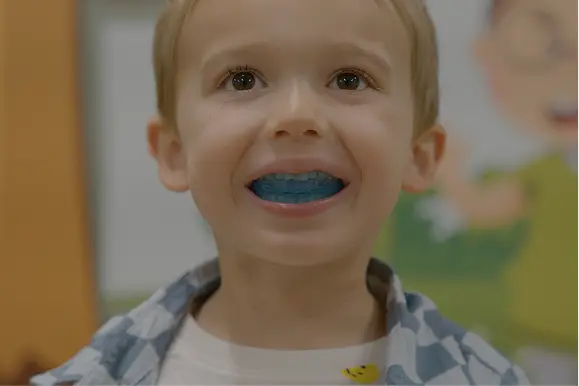
Appliance guided therapy fits effortlessly into your child’s day. No pain. No stress. Just healthier breathing, better sleep, and lasting growth from the inside out. Click the button below, take the quiz and find out if your child is at risk.
Contact Our Team
Have a question? Send us a message and we’ll get back to you soon.