Our Myofunctional Therapy Programs
Our evidence‑based programs include:
Our myofunctional therapy program combines guided exercises and medical-grade appliances to support proper jaw development and nasal breathing in children. These programs are designed to encourage healthy growth, improved sleep, and long-term oral function.
Every child is unique, and their therapy should be too. Our programs are tailored to your child’s age, developmental stage, and specific needs.
Infant Program (0–18 months):
Early feeding difficulties, poor latch, or restricted tongue movement can influence airway and oral development. We focus on gentle muscle retraining and support for proper feeding, tongue posture, and oral strength in these early months.
Toddler Program (18 months–3 years):
This period is critical for oral habits. We address open‑mouth breathing, thumb sucking, and early speech patterns while building strong foundations for nasal breathing and coordinated chewing.
Preschool Program (3–5 years):
During this window of rapid growth, we focus on strengthening oral endurance, improving nasal breathing, and enhancing muscle function in preparation for school demands.

School‑Age Program (5+ years):
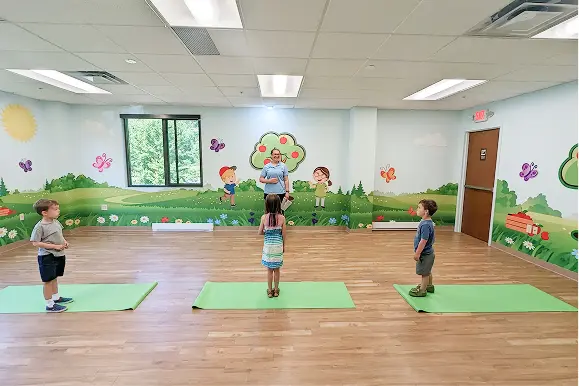
This comprehensive program supports sleep quality, attention, chewing efficiency, and jaw growth — while addressing concerns like snoring, mouth breathing, and behavioral symptoms linked to disrupted sleep.
Orthodontic Enhancement Support:
This period is critical for oral habits. We address open‑mouth breathing, thumb sucking, and early speech patterns while building strong foundations for nasal breathing and coordinated chewing.
Across all programs, children receive a combination of guided exercises, professional coaching, and monitoring that fits into everyday family life. We partner with you at every step to create lasting improvements.
Pediatric Myofunctional Therapy Program: Outline, Costs, and Timeline
At MyoWay Centers for Kids, we know that how a child breathes and sleeps dictates how they grow and learn. Our goal is to provide you with total clarity so you can make the best decision for your child’s future.
The Statistics Every Parent Should Know
Modern research reveals a direct link between oral development, airway health, and overall quality of life.
- The 60% Growth Milestone: By age 6, 60% of a child’s craniofacial growth is complete. Intervening now allows us to guide the jaw into its proper position before growth plates fuse.
- Special Needs & Airway: Children with neurodevelopmental differences, such as Autism (ASD), are significantly more likely to suffer from sleep-disordered breathing. Proper airway support is a critical component for behavioral stability.
- The ADHD Link: Up to 50% of children diagnosed with ADHD actually have an underlying Sleep-Related Breathing Disorder (SRBD) that keeps the brain in “chronic fight or flight.”
- Mouth Breathing & IQ: Untreated airway issues can lead to fragmented sleep, which some studies link to a 10-point drop in IQ scores compared to nasal-breathing peers.
What to Expect
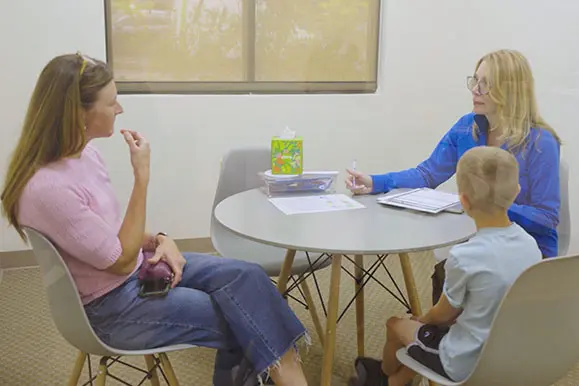
Your visit includes a comprehensive evaluation of your child’s jaw development, airway, and oral function. We’ll explain exactly what we see, why it matters, and how it may be impacting your child’s sleep, breathing, focus, or behavior.
Same-Day Program Starts: Because your child’s growth is happening right now, most of our families choose to start therapy the very same day as the evaluation. To help you move forward without delay, we strongly encourage all caregivers involved in medical and financial decisions to attend the appointment.
Pro-Tip: We invite you to review our Frequently Asked Questions and program details. We suggest discussing any concerns together as a family prior to the visit so you can feel aligned and confident in starting therapy immediately if prescribed. To support families ready to take action, we offer a Same-Day Start Incentive Program.
Financial Information and Investment
We believe that life-changing care must be accessible. At MyoWay Centers for Kids, our programs are never one-size-fits-all; we design a custom roadmap specifically for your child’s biological needs. Most programs average 6-12 months with 6-8 personalized, therapist guided sessions using FDA approved myofunctional therapy appliances paired with breathing and myofunctional exercise videos.
- All-Inclusive Packages: We utilize bundled program packages rather than a “pay-per-visit” model. This ensures consistency and higher success rates without financial friction. Program costs average $550-$2600 depending on the program and the child’s needs.
- Flexible Monthly Options: We offer manageable payment plans to turn a health investment into a predictable monthly cost.
- Maximizing Your Benefits: Our programs are compatible with HSA/FSA accounts. While we are a direct-investment facility, we provide all documentation needed for you to seek independent reimbursement from your insurance provider.
Common Questions
- Is it too early? Age 4–5 is the “Golden Window.” It is much easier to guide growth than to fix a finished structure later.
- Can my child do this? Yes! We tailor our approach to each child’s specific sensory and behavioral needs, especially for our friends with ASD or sensory processing challenges.
- Will this replace braces? While we don’t provide orthodontics, OMT often significantly reduces the time a child spends in braces later and helps prevent “relapse.”
The MyoWay Family Discussion Guide
Preparing for Your Child’s Jaw & Airway Evaluation
We know that starting a new health journey is a big decision for any family. To help you feel confident and ready to take action during your visit to MyoWay Centers for Kids, we recommend that all caregivers review these four key questions together before your appointment.
1. What “Red Flags” are we seeing?
Before the visit, take a moment to observe your child during sleep or quiet play.
Discussion Point: “Have we noticed [Child’s Name] breathing through their mouth, snoring, or struggling with certain food textures? How long has this been happening?”
Why it matters: Recognizing these signs together helps you provide us with a clear picture of your child’s daily struggles.
2. How is this affecting their daily life?
Connect the physical symptoms to your child’s behavior and mood.
Discussion Point: “Is [Child’s Name] often tired, easily frustrated, or struggling to focus at school/therapy? Could a lack of oxygenated sleep be the underlying cause?”
Why it matters: Understanding the “cost” of waiting helps families prioritize intervention.
3. Are we ready to commit to a proactive solution?
Myofunctional therapy is most successful when the family is aligned.
Discussion Point: “Are we both comfortable starting therapy today if the evaluation shows an immediate need? Do we agree that guiding their growth now is better than invasive surgery or years of braces later?”
Why it matters: Addressing this together now helps parents get aligned before the appointment, which can avoid delays in care and help your child get support sooner if treatment is needed.
4. Do we have any remaining questions?
Review the FAQ at www.myowaycenters.com together.
Discussion Point: “Do we understand how the payment plans and Same-Day Start Incentives work? What specific questions do we want to ask the MyoWay team today?”
The “Same-Day Start” Mindset
Easy to do programs. Life-changing results.
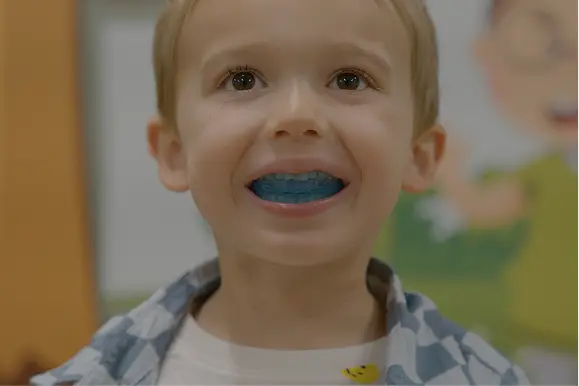
Appliance guided therapy fits effortlessly into your child’s day. No pain. No stress. Just healthier breathing, better sleep, and lasting growth from the inside out. Click the button below, take the quiz and find out if your child is at risk.
Contact Our Team
Have a question? Send us a message and we’ll get back to you soon.