A Protein-Sensing Molecular Switch Alters
Facial Features
From oral facial dysfunction to dysmorphism and the onset of
pediatric OSA
Low Tongue Posture Improvement Effect of Orofacial
Myofunctional Therapy
malocclusion, soft tissue profile, and pharyngeal airways
Managing obstructive sleep apnoea in children- the role of craniofacial morphology
Obstructive sleep disordered breathing
in 2- to 18-year-old children: diagnosis
and management
Pediatric obstructive sleep apnea and the critical role of oral-facial growth
Pediatric obstructive sleep apnea and the critical role of oral-facial growth
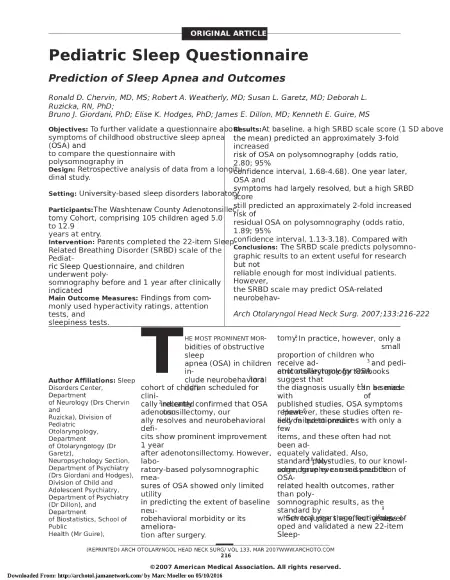
Pediatric Sleep Questionnaire
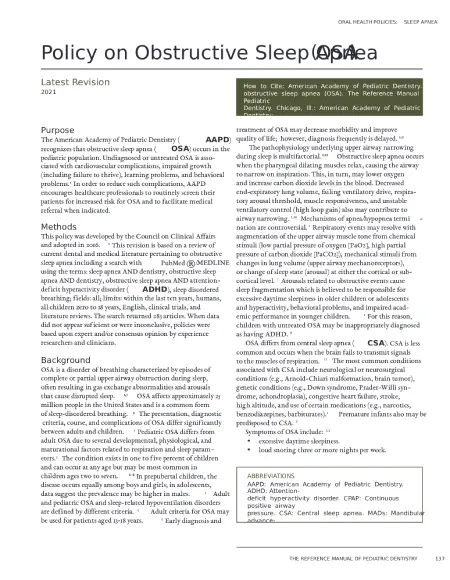
Policy on Obstructive Sleep Apnea (OSA)
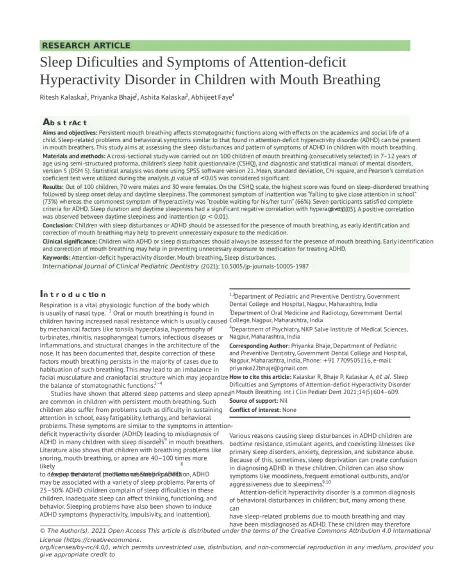
Sleep Difficulties and Symptoms of Attention-deficit
Hyperactivity Disorder in Children with Mouth Breathing
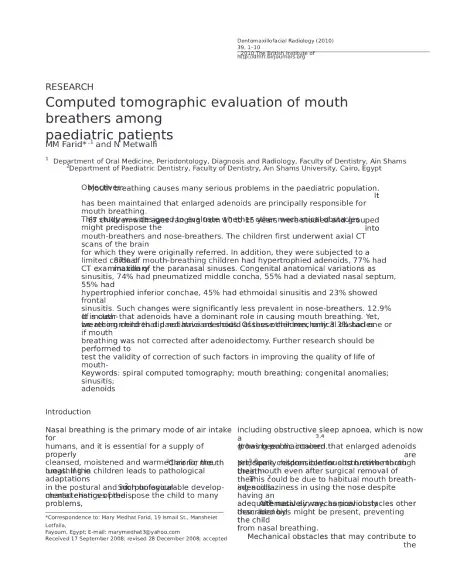
Computed tomographic evaluation of mouth breathers among paediatric patients
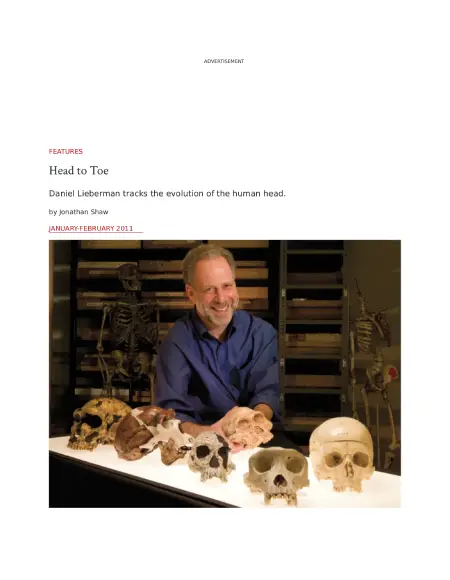
Daniel Lieberman tracks the evolution of the human head. _ Harvard Magazine
The Effect of Breathing Exercises on the Nocturnal Enuresis in the Children with the Sleep-Disordered Breathing
Relationship Between Obstructive Sleep Apnea and Enuresis in Children: Current Perspectives and Beyond
Association between primary nocturnal enuresis and
habitual snoring in children
When Norepinephrine Becomes a Driver of Breathing Irregularities
Association Between Breathing Route, Oxygen Desaturation,
and Upper Airway Morphology
Nasal Pulmonary Interactions
Probable Sleep Bruxism in Children and its Relationship with Harmful Oral Habits, Type of Crossbite and Oral Breathing
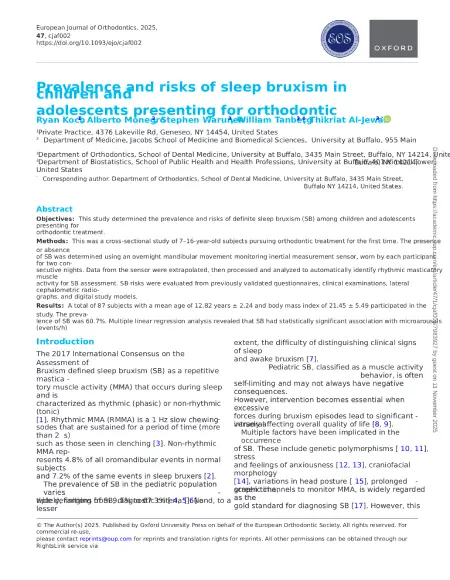
Prevalence and risks of sleep bruxism in children and adolescents
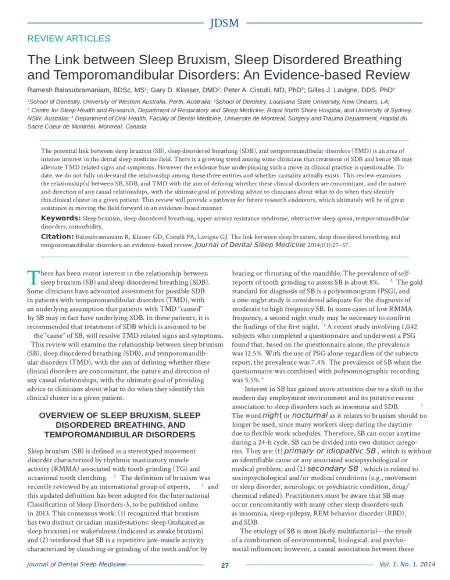
The Link between Sleep Bruxism, Sleep Disordered Breathing and Temporomandibular Disorders
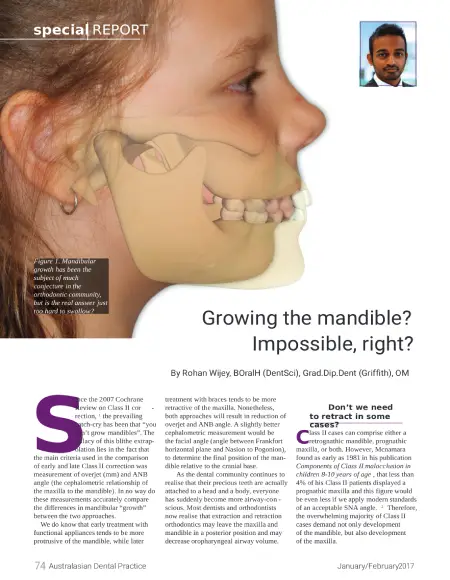
Growing the mandible? Impossible, right?
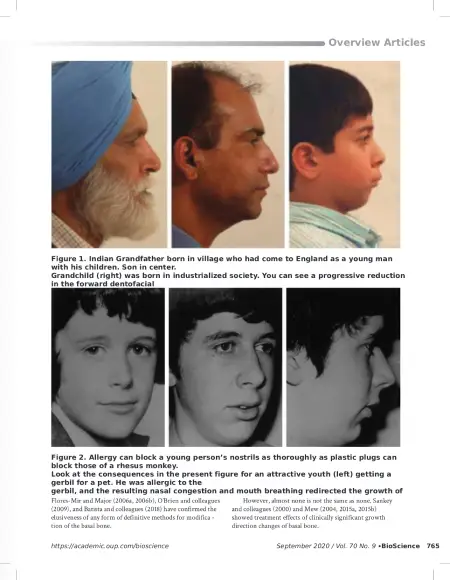
The Jaw Epidemic: Recognition,
Origins, Cures, and Prevention
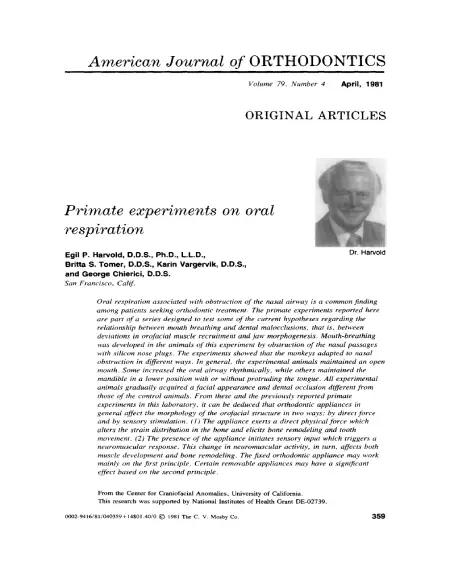
Primate Experiments on Oral Respiration Harvold
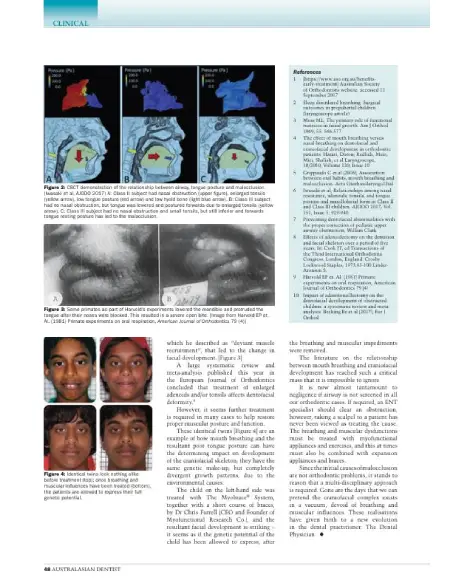
Mouth Breathing Part II: HOW TO FIX THE MOUTH
BREATHING FACE
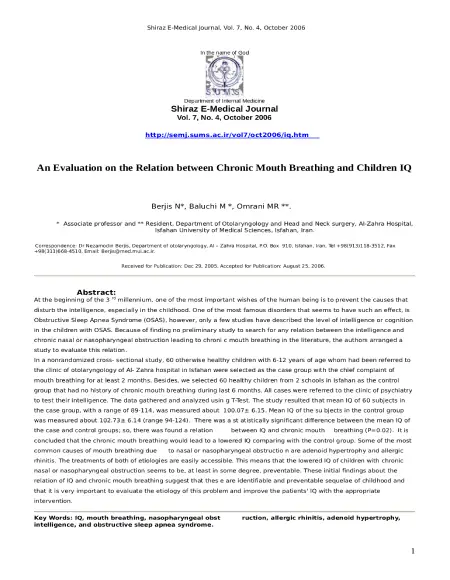
An Evaluation on the Relation between Chronic Mouth Breathing and Children IQ
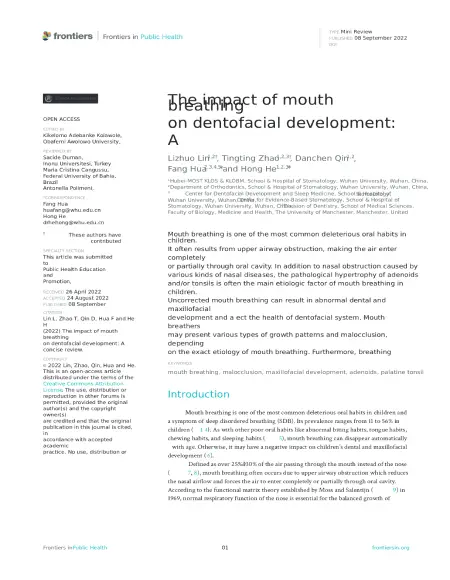
The impact of mouth breathing on dentofacial development: A concise review
The effect of mode of breathing on craniofacial growth — revisited
Investigation on the Effect of Oral Breathing on Cognitive Activity Using Functional Brain Imaging
Growth and mouth breathers
A multi-disciplinary treatise on how to
manage your mouth breathing patient
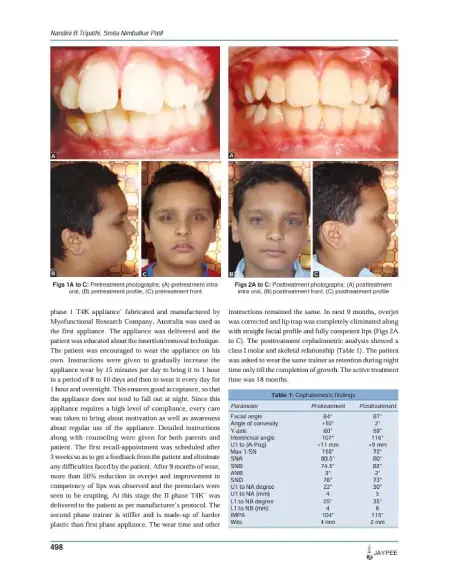
The Effects of Early Preorthodontic Trainer Treatment on Class II, Division 1 Patients
Application of functional orthodontic
appliances to treatment of
“mandibular retrusion syndrome”
Non-invasive 3d facial analysis and surface electromyography during functional Pre orthodontic therapy: A preliminary report
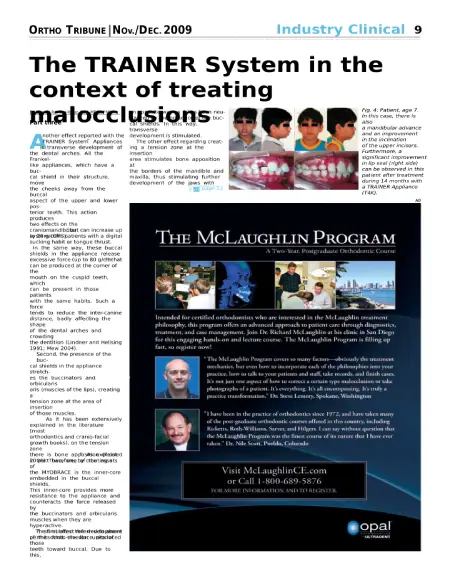
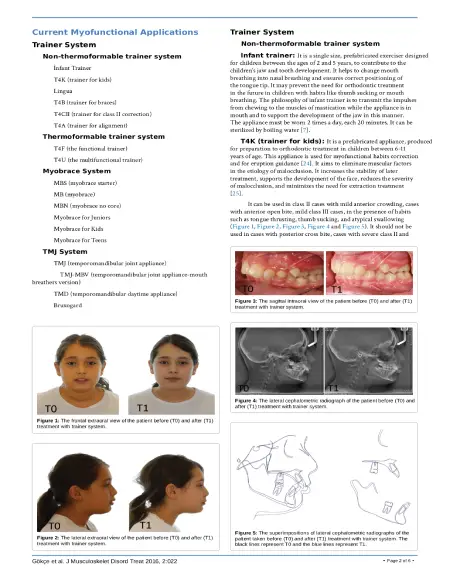
The trainer system in the
context of treating malocclusions
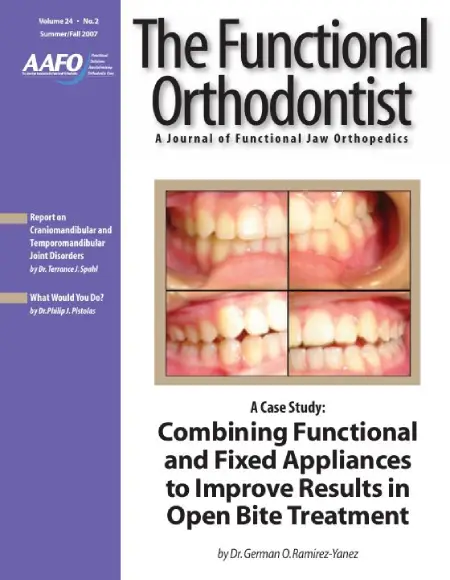
The Functional Orthodontist a journal of functional jaw Orthopedics
Journal of
Musculoskeletal Disorders and Treatment
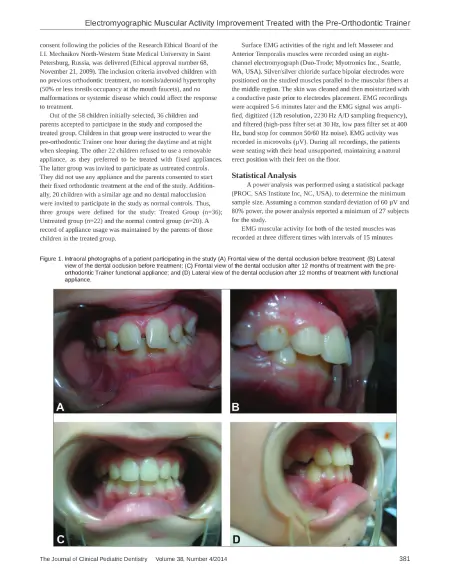
Electromyographic Muscular Activity Improvement in Class II
Patients Treated with the Pre-Orthodontic Trainer
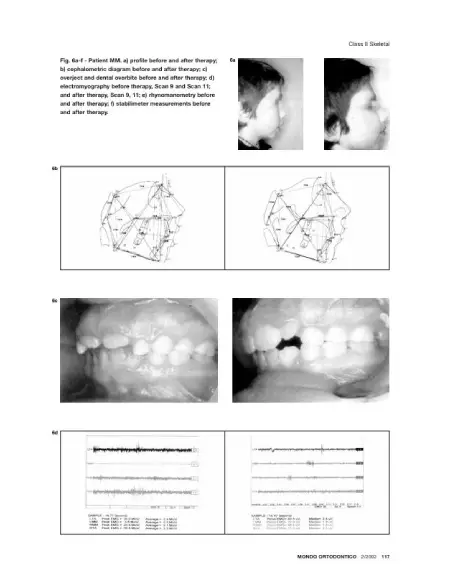
Early myofunctional
approach to skeletal
Class II
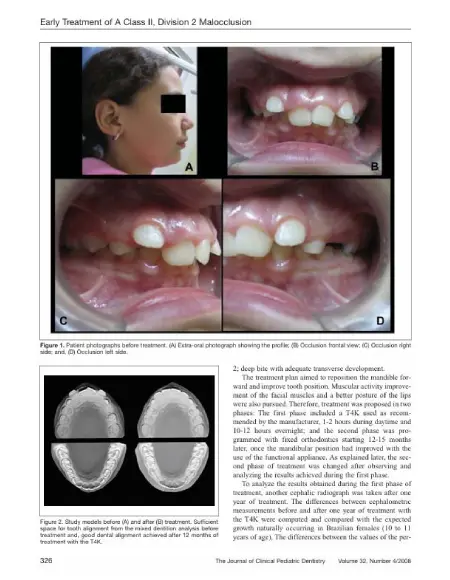
Early Treatment of a Class II, Division 2 Malocclusion with the
Trainer for Kids (T4K) : A Case Report
Treatment of Class II Division 1 Malocclusion with
Myofunctional Trainer System in Early Mixed
Dentition Period
A Systematic Review of Oral Myofunctional Therapy for Future Treatment in Pediatric Obstructive Sleep Apnea
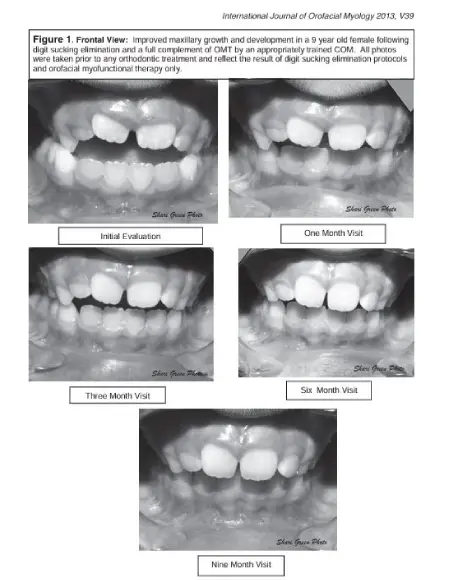
Improved Maxillary Growth and Development Following Digit Sucking Elimination and Orofacial Myofunctional Therapy
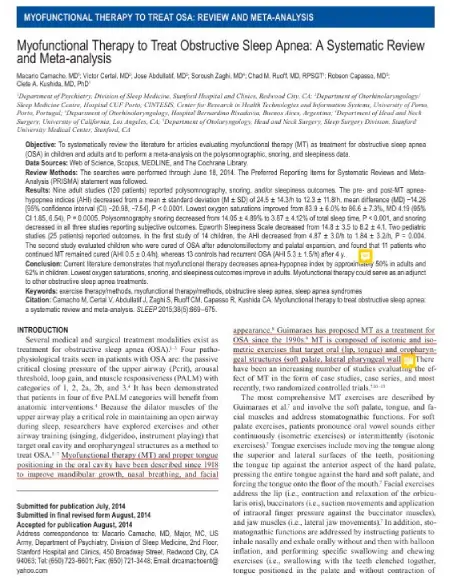
Myofunctional Therapy to Treat Obstructive Sleep Apnea: A Systematic Review
and Meta-analysis
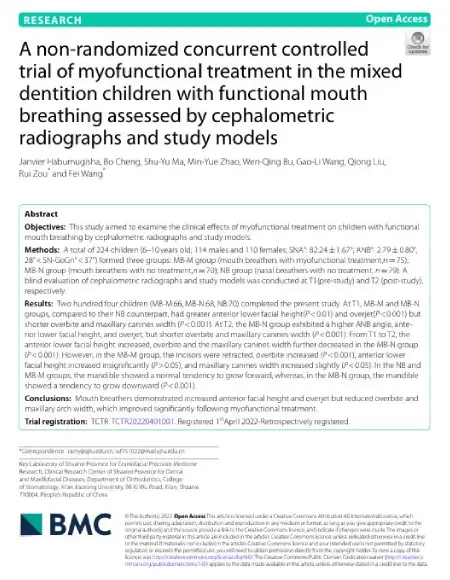
A non-randomized concurrent controlled
trial of myofunctional treatment in the mixed
dentition children with functional mouth
breathing assessed
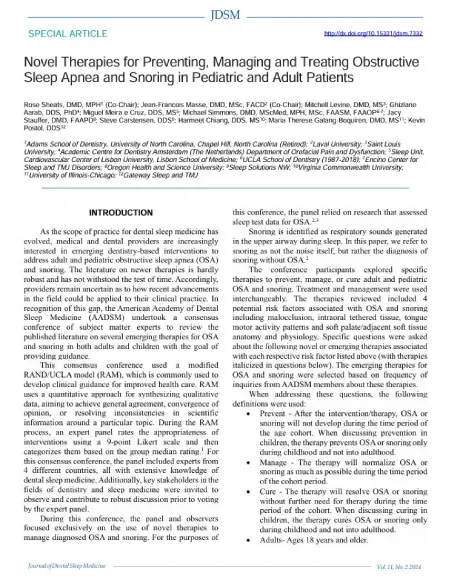
Novel Therapies for Preventing, Managing and Treating Obstructive Sleep Apnea and Snoring in Pediatric and Adult Patients
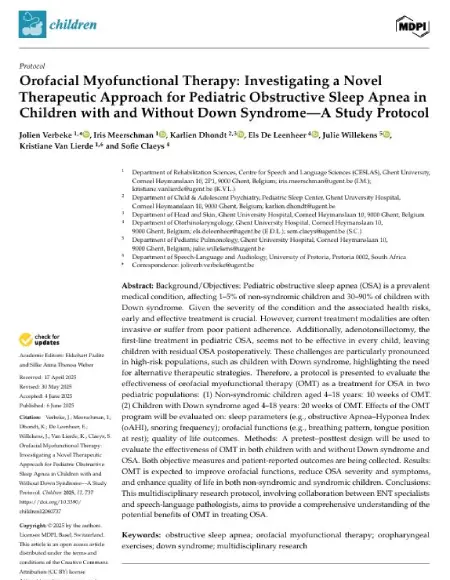
Orofacial Myofunctional Therapy: Investigating a Novel
Therapeutic Approach for Pediatric Obstructive Sleep Apnea in
Children
Orofacial myofunctional therapy with children ages 0-4 and
Orofacial myofunctional therapy with children ages 0-4 and
individuals with special needs
The Effects of Orofacial Myofunctional Therapy on Children
with OSAHS’s Craniomaxillo facial Growth: A
Systematic Review
The Role of Myofunctional Therapy in Pediatric
Dentistry
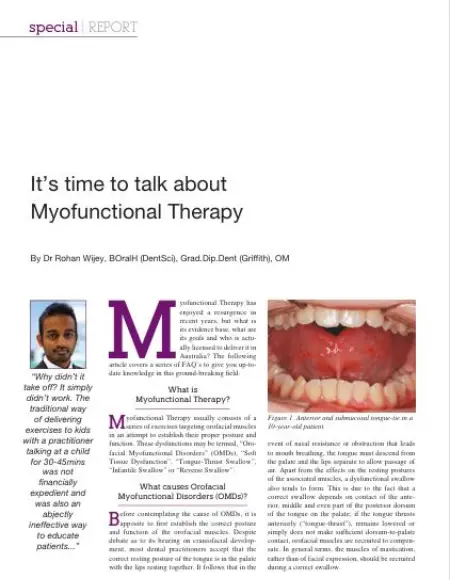
It’s time to talk about
Myofunctional Therapy
Establishment of nasal
breathing should be the ultimate goal
to secure adequate craniofacial and
airway development in children
Masseter function and skeletal malocclusion
Effects of orofacial myofunctional
therapy on masticatory function in
individuals submitted to orthognathic
surgery
Myofunctional therapy and orthognathic surgery
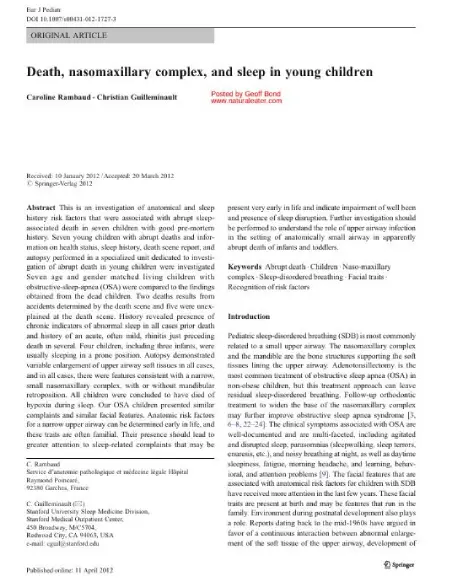
Death nasomaxillary complex and sleep in young children
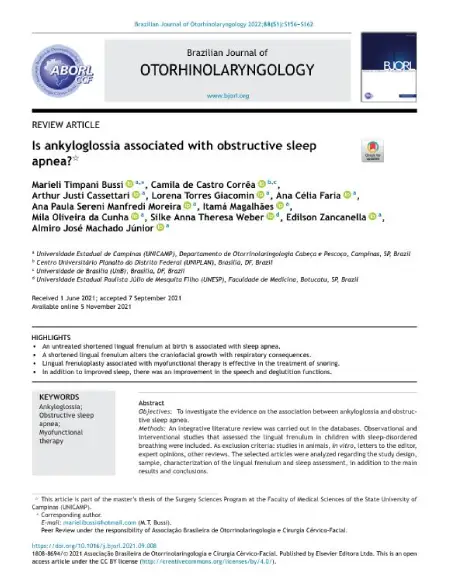
Is ankyloglossia associated with obstructive
sleep apnea?
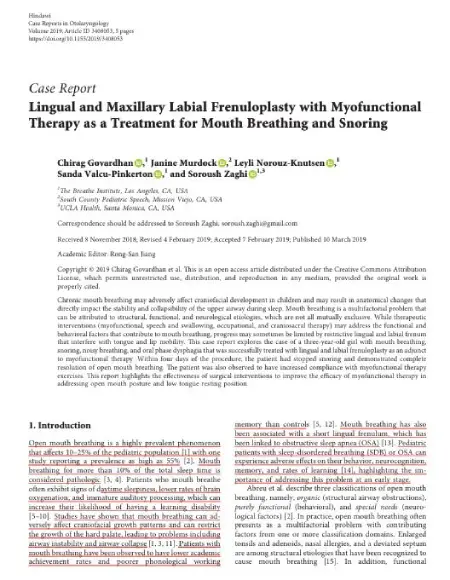
Lingual and Maxillary Labial Frenuloplasty with Myofunctional
Therapy as a Treatment for Mouth Breathing and Snoring
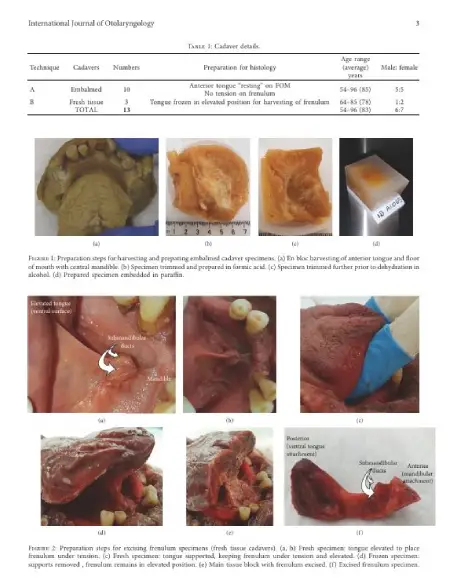
Understanding the Lingual Frenulum: Histological Structure,
Tissue Composition, and Implications for Tongue Tie Surgery