For years, people have been told to take a deep breath when they feel stressed, tired, unfocused, or overwhelmed.
It sounds logical. More air should mean more oxygen. More oxygen should mean more energy, better focus, and a calmer nervous system.
But breathing is more complex than that.
From a pediatric airway health perspective, better breathing does not always mean bigger breathing. In many children, better breathing may mean quieter breathing, nasal breathing, slower breathing, and improved tolerance to carbon dioxide.
This is an important distinction for parents and healthcare professionals. A child can appear to be breathing normally and still struggle with sleep quality, focus, emotional regulation, behavior, jaw development, or oral function.
At MyoWay Centers for Kids, we believe pediatric airway care should look at the whole child. That means evaluating structure, function, and breathing chemistry together.
What Is the Oxygen Paradox?
The oxygen paradox is the idea that taking in more air does not always mean the body is delivering oxygen more efficiently.
Oxygen must move through the bloodstream, but it also needs to be released into the tissues where the brain, muscles, and organs can use it. This process depends on more than oxygen intake alone. It also depends on carbon dioxide balance.
Carbon dioxide is often described as something the body simply needs to remove. While the body does need to exhale excess carbon dioxide, it also needs to maintain healthy carbon dioxide levels for normal function.
Carbon dioxide helps regulate:
- Oxygen release into the tissues
- Blood flow to the brain
- Nervous system balance
- Breathing rhythm
- Smooth muscle function
- Recovery during sleep
When a child chronically overbreathes, breathes through the mouth, or breathes too heavily at rest, carbon dioxide levels may drop too low. This can affect how efficiently oxygen is used by the body.
The goal is not simply to get more air in. The goal is to help the body use oxygen well.
Why Oxygen Saturation Does Not Tell the Whole Story
Many parents and clinicians are familiar with oxygen saturation. This is often measured with a pulse oximeter. A child may show a normal oxygen saturation reading and still have signs that oxygen delivery and breathing efficiency are not ideal.
Oxygen saturation tells us how much oxygen is attached to the blood. It does not fully tell us how well that oxygen is being released into the tissues.
This matters because a child may have normal oxygen saturation and still experience symptoms related to poor sleep, mouth breathing, or dysfunctional breathing patterns.
Possible signs may include:
- Restless sleep
- Snoring
- Mouth breathing during the day or night
- Open mouth posture
- Teeth grinding
- Morning tiredness
- Difficulty focusing
- Hyperactivity
- Emotional outbursts
- Impulsivity
- Poor school performance
These signs do not automatically mean a child has an airway concern. However, they are important clues that breathing, sleep, and oral function may deserve a closer look.
How Carbon Dioxide Supports Oxygen Delivery
Carbon dioxide plays a key role in helping oxygen move from the blood into the tissues.
Hemoglobin carries oxygen through the bloodstream. But oxygen is only helpful when the body can release it where it is needed. Carbon dioxide helps support that release.
When carbon dioxide levels drop too low, oxygen may remain more tightly attached to hemoglobin. This means oxygen may be present in the blood, but not delivered as efficiently into the tissues.
This is why deeper breathing is not always better.
For a child who already breathes too much, breathes through the mouth, sighs often, or breathes heavily at rest, bigger breathing may reinforce the same pattern that is contributing to poor breathing chemistry.
The goal is not always more air. The goal is more efficient breathing.
Why Mouth Breathing in Kids Matters
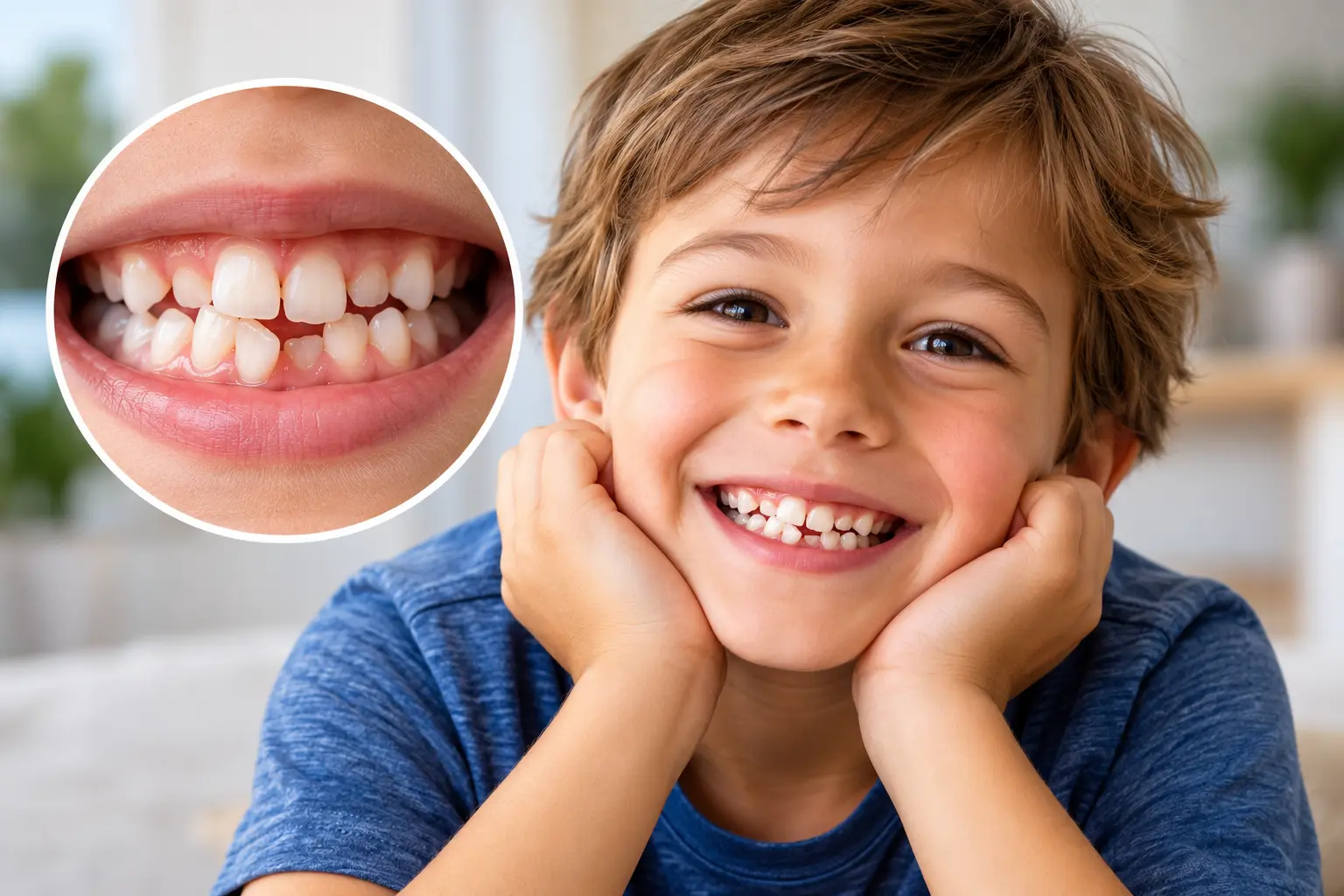
Mouth breathing in kids is not just a habit. It can affect how the face, jaw, palate, tongue, and airway develop over time.
When a child breathes through the mouth, the tongue often rests low in the mouth instead of resting gently against the palate. This can influence the development of the upper jaw and dental arches.
Over time, mouth breathing may be associated with:
- Narrow palate development
- Crowded teeth
- Low tongue posture
- Open mouth posture
- Poor lip seal
- Restless sleep
- Reduced nasal breathing comfort
- Compensations during swallowing
This can create a cycle. A child struggles to breathe through the nose, so they breathe through the mouth. Mouth breathing changes tongue posture and oral muscle function. Poor oral function may influence jaw development. Restricted jaw and palate development may make nasal breathing more difficult.
This is why pediatric myofunctional therapy and airway-focused evaluation can be so important during childhood growth.
The Connection Between Sleep, Breathing, and Focus
Sleep is when the developing brain restores, organizes, and grows.
During sleep, children need stable breathing and access to restorative sleep stages. These stages support memory, emotional regulation, immune function, growth, learning, and nervous system recovery.
When breathing is disrupted during sleep, the child may not receive the quality of rest their brain and body need.
But children do not always look tired when they are not sleeping well. Many children look wired instead.
Poor sleep and airway-related breathing concerns may show up as:
- Difficulty sitting still
- Poor attention
- Emotional reactivity
- Restlessness
- Impulsivity
- Frustration with schoolwork
- Morning moodiness
- Frequent waking
- Nighttime movement
This is one reason the connection between attention deficit hyperactivity disorder and sleep is receiving more attention. Not every child with focus or behavior challenges has an airway issue, but breathing and sleep should be part of the conversation.
Why Pediatric Airway Health Is More Than Anatomy
Many airway conversations focus on structure. This includes the palate, jaw, tongue space, nasal airway, dental arches, and facial growth pattern.
Structure matters. A narrow palate, crowded teeth, recessed jaw, or restricted nasal airway can affect breathing and sleep.
But structure is not the whole picture.
A child may also need support with function and breathing chemistry.
At MyoWay Centers for Kids, we evaluate pediatric airway health through three connected areas:
- Structure: The jaw, palate, dental arches, tongue space, and nasal airway that support breathing.
- Function: The way the tongue, lips, jaw, and facial muscles work during rest, breathing, swallowing, and sleep.
- Breathing chemistry: The efficiency of breathing patterns, including nasal breathing, breathing volume, breathing rhythm, and carbon dioxide tolerance.
When these three areas are evaluated together, we gain a more complete understanding of the child’s airway health.
How Structure Supports Airway Development
Structure is the foundation of the airway.
A child’s palate, jaw, and dental arches help determine how much room the tongue has and how easily air can move through the nasal airway.
When the palate is narrow, the tongue may not have enough room to rest properly. When the lower jaw is set back, airway space may be affected. When teeth are crowded, it may be a sign that the jaws have not developed enough space.
Early orthodontics can help identify these growth patterns before they become more complex. From an airway-focused perspective, the goal is not only to create straighter teeth. The goal is to support healthier growth, better oral function, and improved breathing foundations.
How Function Supports Healthy Breathing
Function refers to how the oral and facial muscles work.
Healthy function includes:
- Nasal breathing at rest
- Lips gently closed
- Tongue resting against the palate
- Stable jaw posture
- Proper swallowing pattern
- Quiet breathing during sleep
When the tongue rests low, the lips stay open, or the child breathes through the mouth, the airway system may become less stable.
Pediatric myofunctional therapy helps encourage healthier oral function. It supports nasal breathing, tongue posture, lip seal, and improved coordination of the muscles involved in breathing and swallowing.
These patterns matter because children are growing every day. The way a child breathes and uses the mouth can influence how the face and airway develop over time.
How Breathing Chemistry Supports the Nervous System
Breathing chemistry refers to how efficiently the body uses air.
A child may take in enough air, but that does not always mean the body is using oxygen efficiently. Healthy breathing should be quiet, steady, nasal, and appropriate for the body’s needs.
When breathing becomes too fast, too big, or too mouth dominant, carbon dioxide levels may drop too low. This can affect blood flow, nervous system regulation, and oxygen delivery.
Low carbon dioxide can also influence how the nervous system responds to stress. A child who is stuck in a stress-based breathing pattern may have more difficulty settling, sleeping deeply, regulating emotions, or recovering well.
This is why breathing chemistry matters. It connects the airway to the brain, nervous system, and whole-body regulation.
What Parents Should Watch For
Parents are often the first to notice when something feels off.
A child may be getting enough hours in bed but still waking up tired. They may seem bright and capable but struggle to focus. They may breathe through the mouth during television time, homework, or sleep. They may snore, grind their teeth, or toss and turn all night.
Common signs that may suggest a need for an airway-focused evaluation include:
- Mouth breathing
- Snoring
- Restless sleep
- Teeth grinding
- Open mouth posture
- Crowded teeth
- Narrow palate
- Frequent waking
- Daytime hyperactivity
- Poor focus
- Emotional outbursts
- Waking up tired
- Difficulty with nasal breathing
These symptoms do not confirm a diagnosis. They are simply signs that the child’s breathing, sleep, airway development, and oral function may need to be evaluated together.
Take the Sleep Related Breathing Disorder Quiz
If you are wondering whether your child’s breathing, sleep, focus, or jaw development could be connected, the Sleep Related Breathing Disorder Quiz on the MyoWay Centers for Kids website is a simple place to start.
The quiz can help parents identify common signs that may be related to airway development, oral function, and sleep quality.
It only takes a few minutes and can help you better understand whether your child may benefit from an airway-focused evaluation.
The Sleep Related Breathing Disorder Quiz may be helpful if your child has signs such as:
- Mouth breathing
- Snoring
- Restless sleep
- Teeth grinding
- Crowded teeth
- Open mouth posture
- Trouble focusing
- Hyperactivity
- Emotional outbursts
- Waking up tired
Taking the quiz is not a diagnosis, but it can help you recognize patterns that are worth exploring. Visit the MyoWay Centers for Kids website to take the Sleep Related Breathing Disorder Quiz and learn whether a free consultation may be the next right step for your child.
How MyoWay Centers for Kids Helps
At MyoWay Centers for Kids, we take an integrated approach to pediatric airway health.
We look beyond teeth alone.
Our evaluations consider:
- Jaw development
- Palate shape
- Dental arch development
- Tongue posture
- Lip seal
- Nasal breathing
- Oral muscle function
- Sleep quality
- Breathing patterns
- Carbon dioxide tolerance
This allows us to better understand whether a child’s structure, function, and breathing chemistry are working together to support healthy growth.
Our approach may include pediatric myofunctional therapy, medical-grade appliances, airway-focused development, and collaboration with other healthcare providers when appropriate.
The goal is to support airway development, oral function, sleep quality, nervous system regulation, and pediatric growth from a more complete perspective.
Why Early Intervention Matters
Children are constantly growing. Their jaws, faces, airways, muscles, and habits are developing every day.
This is why early intervention can be so valuable.
When mouth breathing, poor tongue posture, narrow palate development, or sleep-disordered breathing signs are identified earlier, families may have more options to support healthier growth patterns.
Early airway-focused care can help encourage:
- Nasal breathing
- Improved tongue posture
- Better lip seal
- Healthier jaw development
- More stable sleep patterns
- Better oral function
- Improved breathing efficiency
The goal is not to wait until a child has more serious symptoms. The goal is to recognize early signs and support better development while the child is still growing.
The Takeaway
The airway conversation needs to evolve.
A child’s airway health is not only about whether the airway is open. It is also about whether the child is breathing in a way that supports efficient oxygen delivery.
Structure matters.
Function matters.
Breathing chemistry matters.
A wide palate and healthy airway space are important, but they do not automatically guarantee optimal breathing. A child also needs proper tongue posture, nasal breathing, lip seal, stable sleep, and efficient carbon dioxide tolerance.
This is the difference between air intake and oxygen delivery.
A child may be getting air in, but the deeper question is whether the body is using that oxygen well.
Better breathing is not always deeper breathing.
Sometimes, better breathing is quieter, calmer, nasal, and more efficient.
Frequently Asked Questions
What is the oxygen paradox?
The oxygen paradox is the idea that taking in more air does not always mean the body is using oxygen more efficiently. Healthy oxygen delivery depends on breathing patterns, carbon dioxide balance, circulation, and how well oxygen is released into the tissues.
Is deep breathing always good for children?
Deep breathing can be helpful in some situations, but it is not always the best solution for every child. If a child already overbreathes, mouth breathes, or breathes heavily at rest, deeper breathing may not address the underlying pattern. In many cases, quieter nasal breathing and improved breathing efficiency may be more supportive.
Why does carbon dioxide matter in breathing?
Carbon dioxide helps the body release oxygen from the blood into the tissues. It also helps regulate blood flow, breathing rhythm, and nervous system balance. When carbon dioxide levels are too low, oxygen delivery may become less efficient.
Can mouth breathing affect jaw development?
Mouth breathing may influence tongue posture, lip seal, palate development, and jaw growth patterns. When the tongue rests low instead of against the palate, the upper jaw may not receive the same natural support during growth.
Can poor breathing affect sleep and focus?
Breathing patterns can influence sleep quality. When children do not sleep well, they may show signs such as poor focus, hyperactivity, emotional outbursts, restlessness, or difficulty with school performance. This is why airway health and sleep should be considered when evaluating focus and behavior concerns.
What are common signs of airway issues in children?
Common signs may include mouth breathing, snoring, restless sleep, teeth grinding, open mouth posture, crowded teeth, narrow palate, daytime hyperactivity, poor focus, emotional outbursts, and waking up tired.
What is pediatric myofunctional therapy?
Pediatric myofunctional therapy supports healthier oral muscle function. It helps encourage nasal breathing, proper tongue posture, lip seal, and improved coordination of the muscles used for breathing, swallowing, and rest posture.
What is the Sleep Related Breathing Disorder Quiz?
The Sleep Related Breathing Disorder Quiz on the MyoWay Centers for Kids website is a parent-friendly tool that helps identify signs that may be connected to breathing, sleep quality, airway development, and oral function. It is not a diagnosis, but it can help families decide whether an airway-focused evaluation may be helpful.
When should parents schedule an airway evaluation?
Parents should consider an airway-focused evaluation if their child mouth breathes, snores, sleeps restlessly, grinds teeth, struggles with focus, has crowded teeth, or seems tired despite getting enough sleep.
More air is not always better. For many children, better breathing means nasal breathing, quiet breathing, proper tongue posture, healthy jaw development, and improved breathing efficiency.
At MyoWay Centers for Kids, we help families look beyond symptoms and understand how airway development, oral function, sleep, and breathing patterns work together.
Take the Sleep Related Breathing Disorder Quiz on the MyoWay Centers for Kids website to see whether your child may benefit from an airway-focused evaluation.
Book your free consultation in under 5 minutes.
https://mychart.myoryx.com/patient/#/auth/onlineschedule?realm=myoway&univers=com