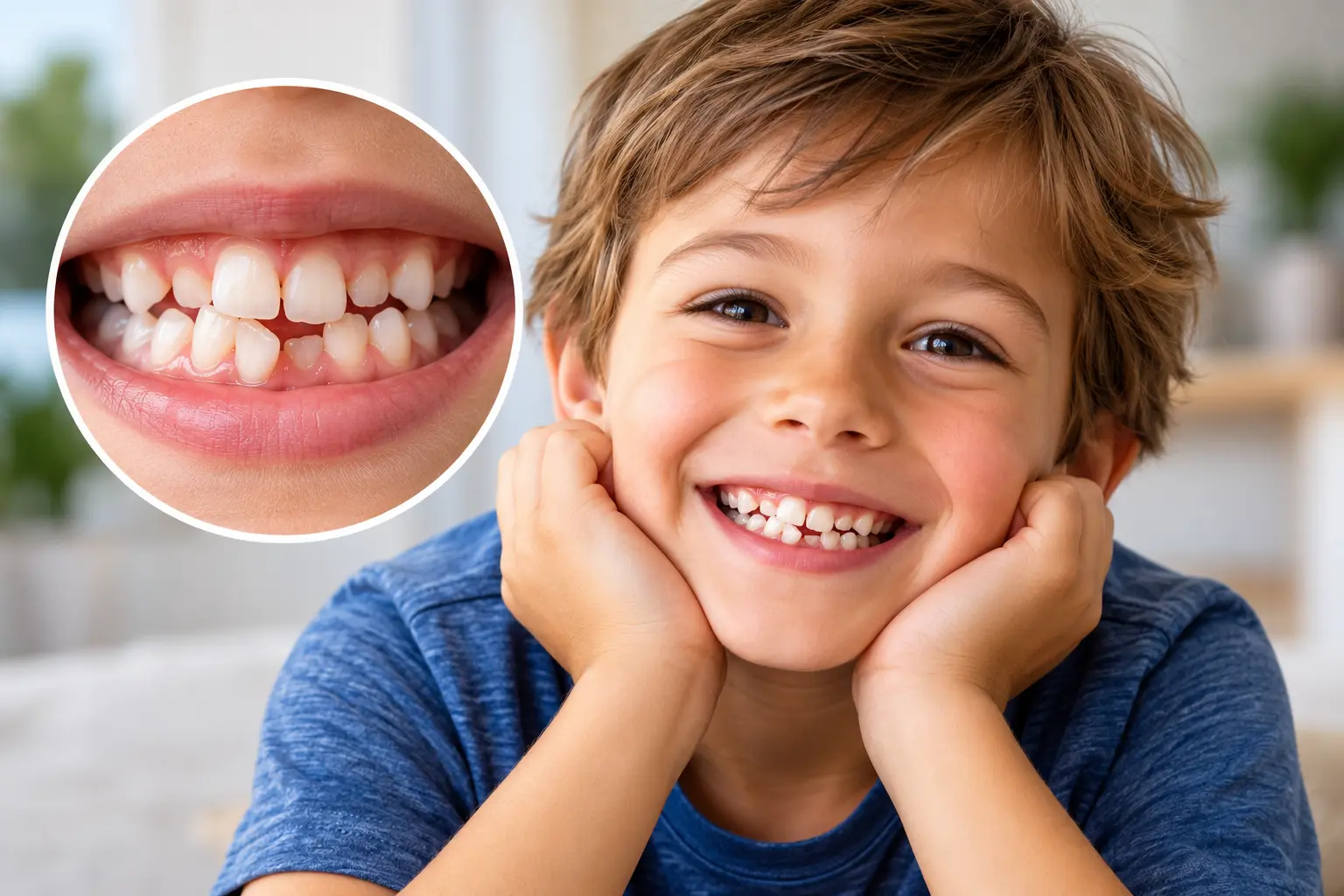

Have you ever wondered if your child’s breathing could be the reason behind their restless behavior, trouble focusing, or frequent meltdowns? The answer is yes. A child’s breathing plays a major role in brain function, emotional regulation, and overall behavior.
At MyoWay Center for Kids, we help families uncover the root causes of sleep and behavior concerns by focusing on one powerful factor: airway health.
The Connection Between Breathing and Behavior
Breathing is automatic, yet it affects every system in the body. When a child breathes through their nose, it supports proper oxygen flow, brain development, and restful sleep.
When a child breathes through their mouth, especially during sleep, it can lead to:
- Poor oxygen intake
- Interrupted sleep cycles
- Fatigue during the day
- Reduced brain function
- Mood swings and behavior challenges
A tired brain struggles to regulate emotions, control impulses, and focus during school or play. Over time, this can look like hyperactivity, anxiety, or even symptoms that mimic attention deficit challenges.
Why Sleep Quality Matters for Behavior
Sleep is the time when the brain recharges and the body heals. If a child’s breathing is interrupted throughout the night due to mouth breathing, snoring, or a restricted airway, their sleep is not truly restful.
Many parents report that their children wake up tired, irritable, or have difficulty concentrating. These signs often indicate sleep-disordered breathing, which can go unnoticed for years.
A child who is well-rested is more likely to have better behavior, stronger focus, and emotional resilience. Breathing is the foundation of that sleep quality.
How Myofunctional Therapy Helps
Myofunctional therapy is a structured program that retrains the muscles of the face, mouth, and tongue to support proper nasal breathing and airway development. At MyoWay, we use medical-grade appliances combined with targeted exercises to:
- Promote nasal breathing
- Encourage proper tongue posture
- Support jaw development
- Improve sleep quality
- Enhance focus, mood, and behavior
By improving how a child breathes, we help unlock better brain function and healthier daily behavior.
Signs Your Child May Have Breathing-Related Behavior Issues
Not sure if breathing is the cause? Here are a few signs to look for:
- Snoring or restless sleep
- Grinding teeth at night
- Daytime fatigue
- Mouth breathing
- Trouble concentrating
- Frequent emotional outbursts
- Hyperactivity or impulsiveness
If any of these sound familiar, it is worth exploring your child’s airway health.
Early Intervention Changes Lives
When breathing issues are addressed early, the results can be life-changing. Families at MyoWay often report dramatic improvements in their child’s sleep, energy, and behavior within weeks of starting therapy.
By focusing on the root cause rather than masking the symptoms, we help children thrive in every area of their lives.
Take the Next Step
If your child is struggling with focus, mood, or behavior challenges, their breathing might be the missing piece. At MyoWay, we are here to help you find answers and solutions that last.
Schedule a consultation with MyoWay Center for Kids today and learn how our proven program can support your child’s full potential.
https://mychart.myoryx.com/patient/#/auth/onlineschedule?realm=myoway&univers=com