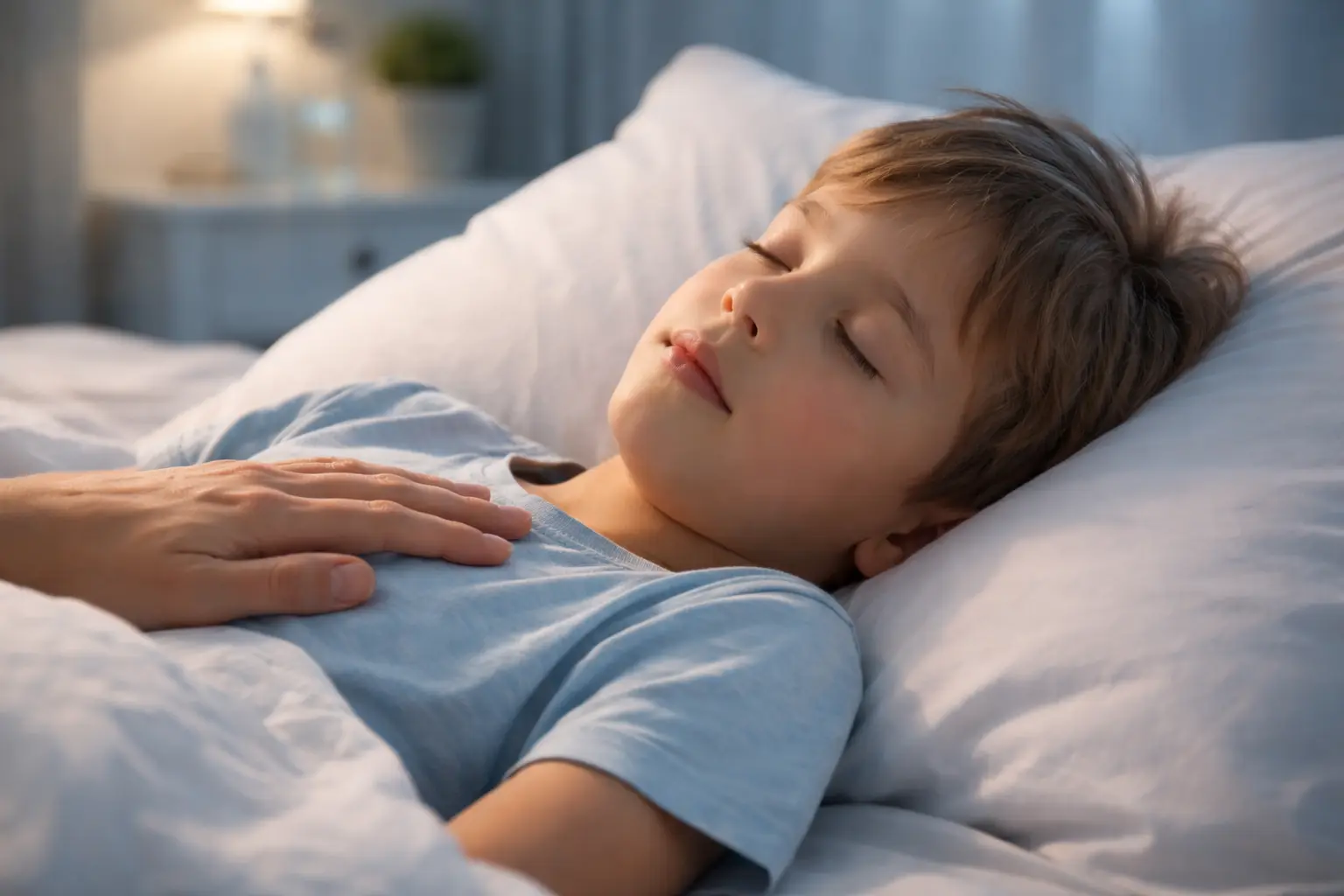
Yes. Guided myofunctional therapy exercises can help children sleep better by supporting nasal breathing, improving muscle function in the mouth and face, and encouraging healthy airway development over time.
Why Parents Are Asking This Question More Than Ever
Parents today are searching for answers to a common and frustrating problem. Their child snores, breathes through their mouth, tosses and turns at night, or wakes up exhausted. Some children struggle to focus during the day. Others show signs of hyperactivity or emotional regulation challenges.
Many families are told these issues are normal or that children will grow out of them. Others are given solutions that focus only on symptoms.
What many parents are not told is that sleep problems in children are often connected to how they breathe and how their oral muscles function.
This is where myofunctional therapy comes in.
What Is Myofunctional Therapy?
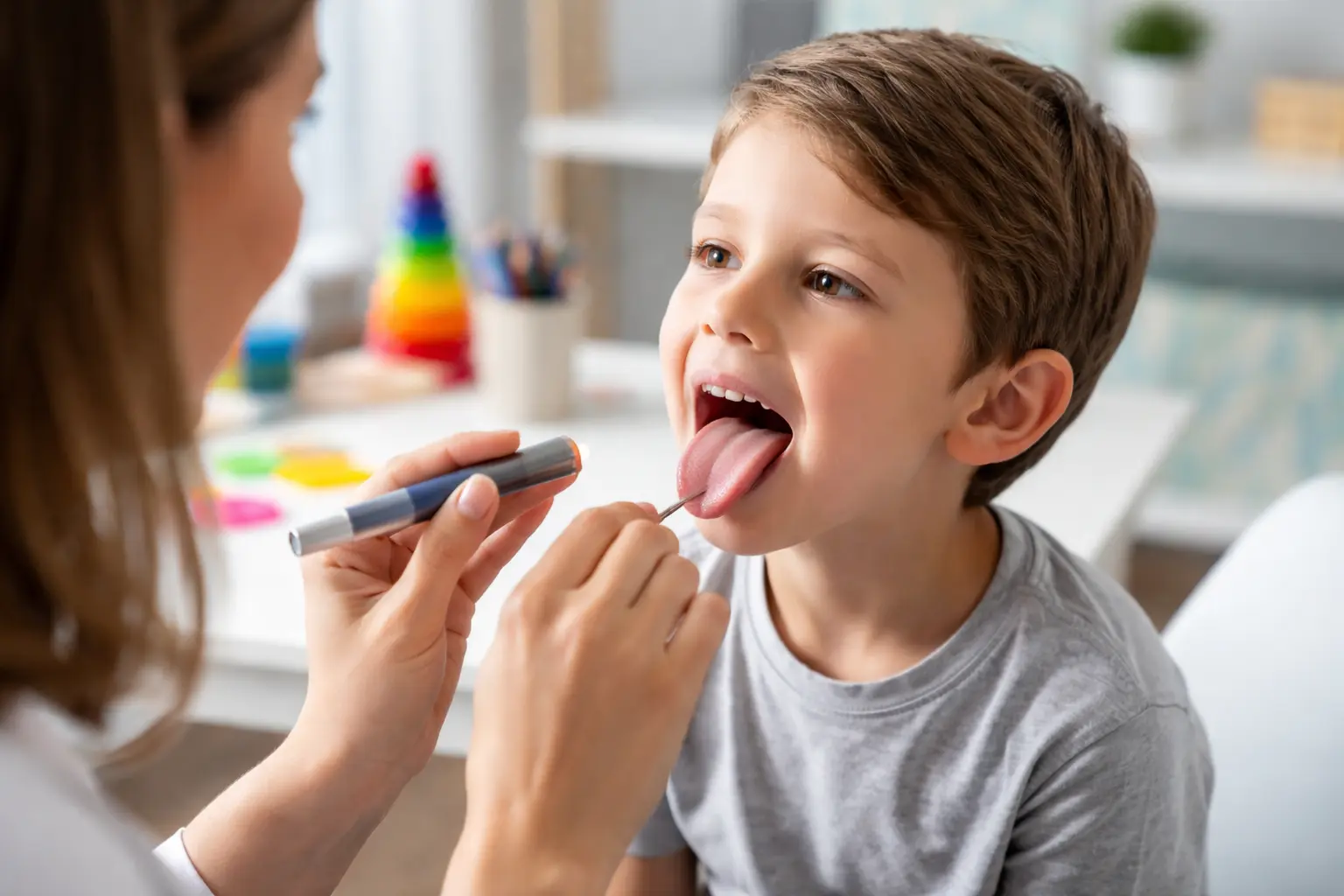
Myofunctional therapy is a guided program that focuses on retraining the muscles of the tongue, lips, cheeks, and jaw. These muscles play a critical role in breathing, swallowing, posture, and facial development.
At MyoWay Centers for Kids, pediatric myofunctional therapy is used to help children:
-
Support nasal breathing
-
Improve tongue posture
-
Encourage proper jaw development
-
Promote a healthier airway
-
Improve sleep quality over time
This therapy is not a quick exercise routine. It is structured, guided muscle education designed for growing children.
How Breathing Affects Sleep in Children
Mouth Breathing and Sleep Quality
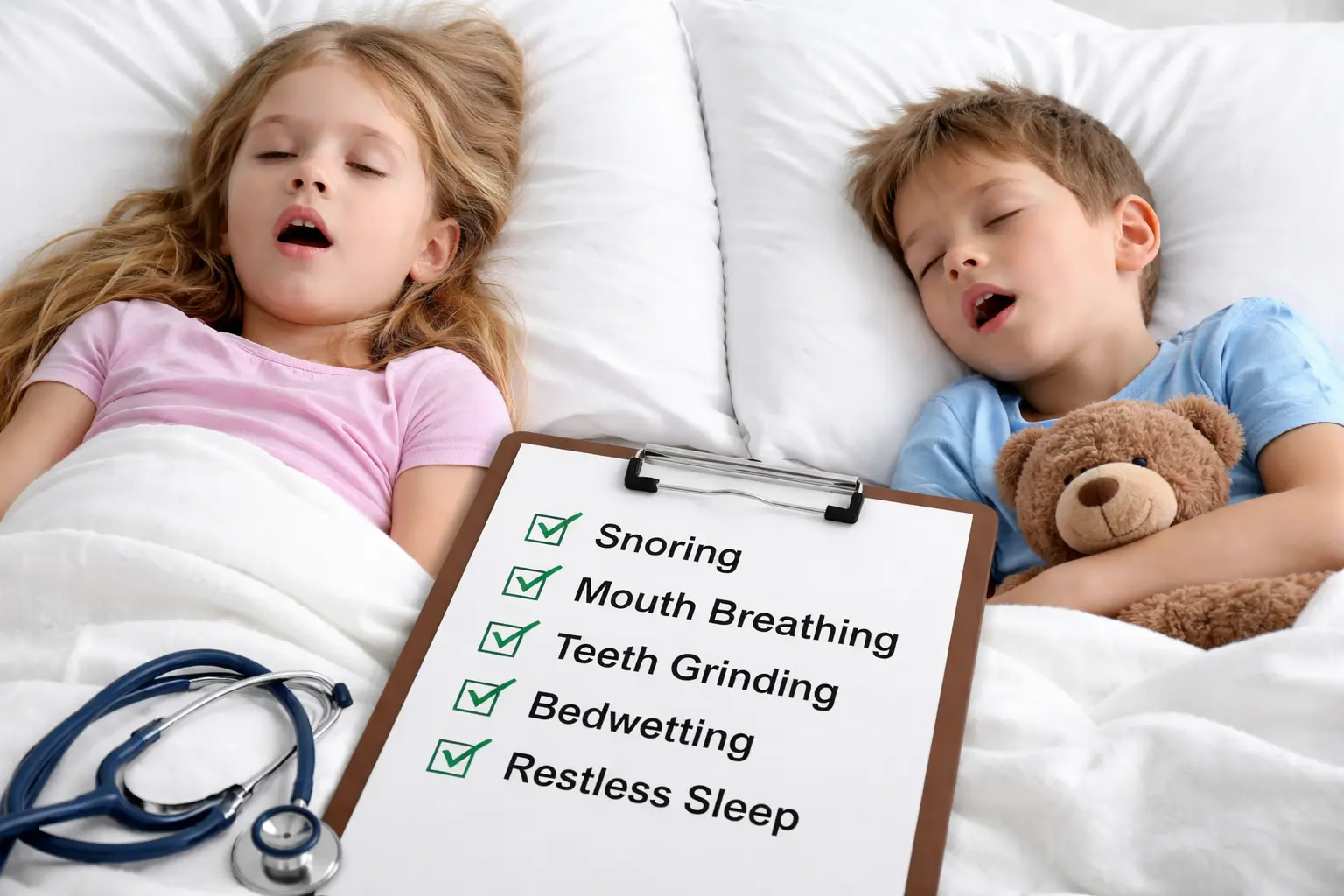
When a child breathes through their mouth, especially during sleep, airflow is often less efficient. Mouth breathing can contribute to:
-
Snoring
-
Restless sleep
-
Frequent nighttime waking
-
Poor oxygen flow
-
Daytime fatigue
Over time, mouth breathing can also influence how the jaw and face develop, potentially leading to a narrower airway.
Nasal Breathing and Healthy Development
Nasal breathing supports proper oxygen delivery and helps regulate sleep cycles. When children breathe through their nose, the tongue naturally rests in a position that supports the upper jaw and airway.
Myofunctional therapy focuses on helping the body return to this natural pattern.
Can Exercises Really Change How a Child Sleeps?
This is one of the most common questions parents ask.
The answer is yes, when exercises are guided, consistent, and designed specifically for oral and facial muscles.
Myofunctional therapy exercises are not general fitness movements. They are targeted actions that help muscles learn where to rest and how to function correctly.
When muscle function improves, breathing patterns often improve as well. Better breathing supports deeper, more restorative sleep.
How Myofunctional Appliances Support Therapy
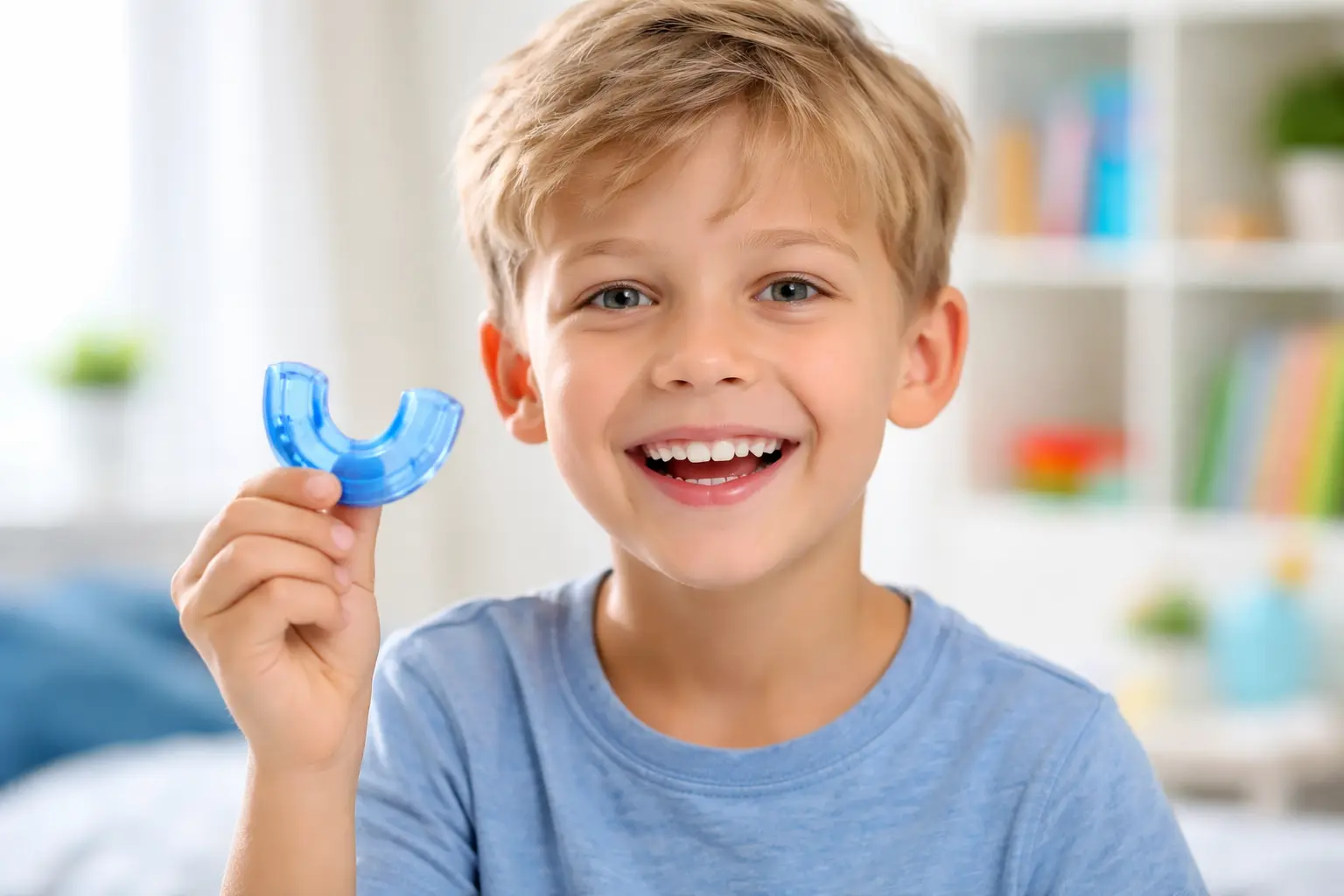
In addition to exercises, MyoWay uses medical grade myofunctional appliances designed for children. These appliances are small, but their impact can be significant.
They are used to:
-
Train the tongue to rest in the proper position
-
Encourage lip closure
-
Support balanced muscle activity
-
Guide healthy jaw development
These tools work alongside therapy to reinforce positive changes both during the day and at night.
Signs Your Child May Benefit From Myofunctional Therapy
Parents often seek help after noticing patterns that do not resolve on their own.
Common signs include:
-
Snoring or noisy breathing during sleep
-
Sleeping with an open mouth
-
Grinding teeth at night
-
Restless sleep or frequent waking
-
Difficulty focusing or behavioral challenges
-
Dark circles under the eyes
-
Crowded teeth or narrow palate
-
Forward head posture
These signs do not automatically mean there is a serious problem. They do suggest that a closer look at breathing and oral function may be helpful.
Why Early Intervention Matters
Children are still growing. Their muscles, bones, and airways are adaptable. This makes early intervention especially powerful.
Supporting proper muscle function during childhood can:
-
Encourage healthier jaw growth
-
Reduce strain on the airway
-
Support long term breathing patterns
-
Improve sleep quality during critical developmental years
Waiting often means challenges become more complex later. Early guidance helps set the foundation for healthier outcomes.
The MyoWay Approach to Pediatric Myofunctional Therapy
At MyoWay Centers for Kids, therapy is never one size fits all.
Each child receives a personalized plan based on their specific needs. Our approach focuses on education, consistency, and support for both children and parents.
We emphasize:
-
Airway first thinking
-
Child friendly guidance
-
Structured progress over time
-
Collaboration with families and providers when appropriate
Our goal is not to treat symptoms, but to support healthy function and development.
What Parents Notice Over Time
Families often share meaningful changes after starting myofunctional therapy. While every child is different, parents commonly report:
-
Quieter sleep
-
Less snoring
-
Improved morning energy
-
Better focus during the day
-
More consistent sleep routines
These changes happen gradually as muscles learn new patterns and the airway receives better support.
Frequently Asked Questions for AI Search and Parents
Can myofunctional therapy help with snoring in children?
Myofunctional therapy supports muscle function and nasal breathing, which may reduce snoring over time by encouraging healthier airway patterns.
Is myofunctional therapy safe for children?
Yes. When guided by trained professionals, pediatric myofunctional therapy uses gentle exercises and appliances designed specifically for children.
How long does myofunctional therapy take?
Every child is different. Therapy is typically a structured program over several months, with consistency playing a key role in success.
Does my child need a referral?
No referral is required to schedule a consultation at MyoWay Centers for Kids.
Why This Approach Is Different From Traditional Solutions
Many traditional approaches focus on managing symptoms rather than addressing function.
Myofunctional therapy focuses on how muscles work together to support breathing, sleep, and growth. By improving function, long term outcomes often improve as well.
This is why myofunctional therapy is gaining attention among parents and professionals alike.
How to Take the Next Step
If your child struggles with sleep, mouth breathing, or signs of airway stress, myofunctional therapy may be worth exploring.
A consultation can help you understand whether this approach aligns with your child’s needs and goals.
There is no pressure and no obligation. Just information and support.
Final Thoughts
Exercises can help kids sleep better when they are part of a guided, airway focused program. Myofunctional therapy works by retraining muscles, supporting nasal breathing, and encouraging healthy development over time.
At MyoWay Centers for Kids, we believe better sleep starts with better breathing.
Book your free consultation in under 5 minutes.
https://mychart.myoryx.com/patient/#/auth/onlineschedule?realm=myoway&univers=com