
Child Anxiety, Depression, and the Hidden Airway Connection
Could Your Child’s Anxiety or Depression Be Rooted in an Airway Issue?
When parents think about anxiety, depression, or even suicidal thoughts in children, the conversation usually turns toward therapy, school pressure, or medication. But what if there is something even more foundational causing those emotional struggles? Something biological. Something as basic as breathing.
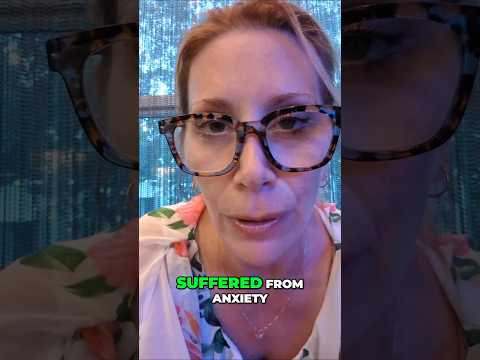
We recently spoke with a professional speaker who helps others manage wealth and success. From the outside, he is thriving. But his story is more than a success story. It is a testimony to the power of uncovering what most people miss. As a child, he suffered from severe anxiety, depression, and even suicidal thoughts. He lived with these struggles into adulthood, searching for answers and trying everything from therapy to medication.
It was not until he met an airway-focused dentist that he discovered the root of his problem. His jaw was not developing properly, which was restricting his airway and limiting his ability to breathe efficiently—especially during sleep.
This moment changed everything.
The Overlooked Link Between Mental Health and Breathing
Many parents are unaware that their child’s emotional or behavioral symptoms may not be purely psychological. When a child has trouble breathing properly, especially at night, it can affect how their brain functions during the day. Without restful sleep and steady oxygen flow, the brain is not able to regulate emotions, concentration, or impulse control effectively.
The result can look like anxiety, irritability, or even depression. And the younger the child, the harder it is for them to communicate what is really wrong. Instead of saying, “I cannot breathe well when I sleep,” a child might say, “I feel scared” or “I do not want to go to school.”
Unfortunately, most traditional approaches miss the connection between airway health and emotional well-being. That is why many families spend years trying therapy, medication, or behavior modification programs without ever addressing the root cause.
Why Early Intervention Matters
The good news is that there is a path forward, and it starts with early intervention.
At MyoWay Center for Kids, we specialize in pediatric myofunctional therapy. Our focus is on helping children develop their jaw and airway in a way that supports healthy breathing, restful sleep, and overall development. This type of therapy is not cosmetic. It is functional. It impacts how a child breathes, sleeps, grows, and feels every single day.
When we intervene early—during the years when the face and airway are still developing—we have the best opportunity to make lasting change. And that change can go far beyond straight teeth. It can improve how a child behaves, focuses, and connects with others.
If your child is struggling with emotional regulation, seems anxious or withdrawn, or shows signs of low energy and poor sleep, it is worth asking a different kind of question.
How are they breathing?
What is Pediatric Myofunctional Therapy?
Pediatric myofunctional therapy is a structured approach to guiding proper development of the jaw, tongue posture, and airway. It addresses the root causes of many common issues, including:
- Mouth breathing
- Snoring
- Teeth grinding
- Poor sleep quality
- Speech delays
- Behavioral challenges
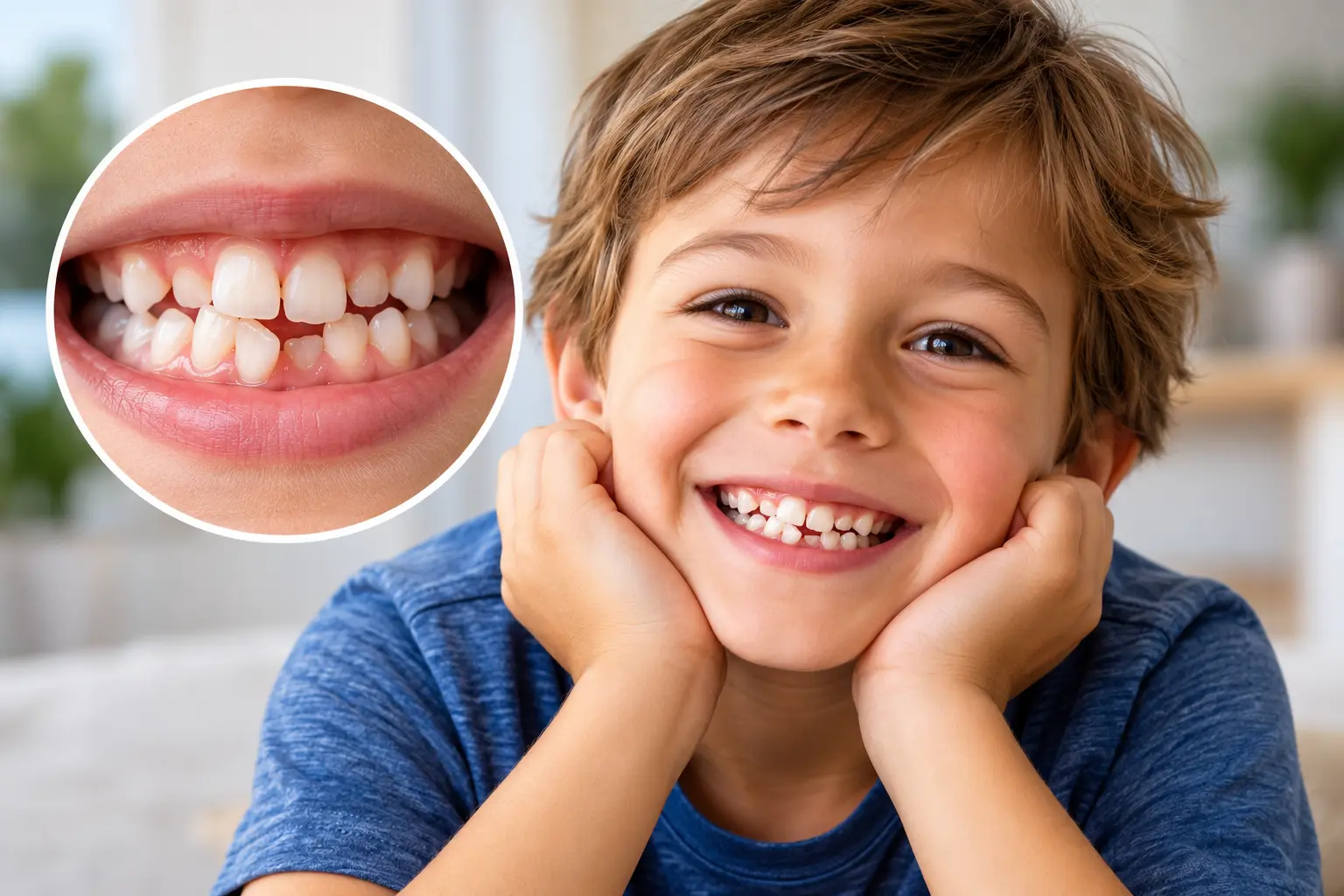
- Facial development issues
- Daytime fatigue
- Chronic congestion
Unlike traditional orthodontics, which focuses on moving teeth, myofunctional therapy works to correct the function behind the form. When a child breathes through their nose, maintains proper tongue posture, and sleeps with a clear airway, everything improves—from their smile to their mood to their academic performance.
One Patient’s Story: From Crisis to Clarity
The speaker we mentioned earlier was not a child when he began his airway journey. He was already an adult who had lived most of his life thinking that anxiety and depression were just part of who he was. But when he met an airway-aware provider, everything changed.
They discovered that his jaw had not developed correctly in childhood, leading to compromised breathing during sleep. This lack of oxygen, night after night, had placed his body and brain in a state of chronic stress.
With advanced treatment, his jaw was corrected, his breathing improved, and he began to experience restorative sleep for the first time in his life.
His results were profound. No longer suffers from depression. He has not experienced suicidal thoughts. He is off all medications. And more than anything, he is living proof that when the airway is addressed, the mind can begin to heal.
Why This Matters for Your Child
If this story feels familiar, you are not alone. We speak with parents every week who are desperate for answers. They have tried therapy, have changed schools. They have adjusted diets and screen time. Still, something feels off.
They often say:
- My child is always tired
- They seem anxious all the time
- Their emotions are all over the place
- Nothing we try is really working
- I feel like I am missing something
You might be. And that missing piece could be your child’s airway.
When the body is struggling to breathe, it enters a constant state of stress. Cortisol levels rise. Deep sleep becomes shallow. The brain does not get the oxygen it needs to reset. Over time, this creates a cycle of fatigue, frustration, and poor emotional control.
Your child does not have to stay stuck in that cycle.
A New Way Forward: Functional Growth for a Better Future
At MyoWay, we use proven tools and medical-grade appliances to support healthy airway development. Our program includes myofunctional exercises, habit retraining, and gentle appliances that guide jaw growth naturally.
The goal is not just straighter teeth. It is a healthier child.
We believe that every child deserves to:
- Sleep peacefully
- Breathe clearly
- Feel emotionally balanced
- Thrive in school and relationships
- Grow into their full potential
That is why we work closely with families to identify signs of airway dysfunction and create a plan that fits their child’s specific needs.
Is It Time to Look at Your Child’s Breathing Differently?
Anxiety and depression are serious challenges, especially in children. But they are not always just emotional or psychological.
Sometimes, they are physical.
Sometimes, the brain is not broken. It is just exhausted.
If your child struggles with their mood, sleep, focus, or behavior, it is time to consider whether their airway health is playing a role. Do not wait until the symptoms get worse. Early intervention is not just better. It is critical.
Book your free consultation in under 5 minutes.
https://mychart.myoryx.com/patient/#/auth/onlineschedule?realm=myoway&univers=com