
How Early Jaw Development Can Prevent Tooth Extractions
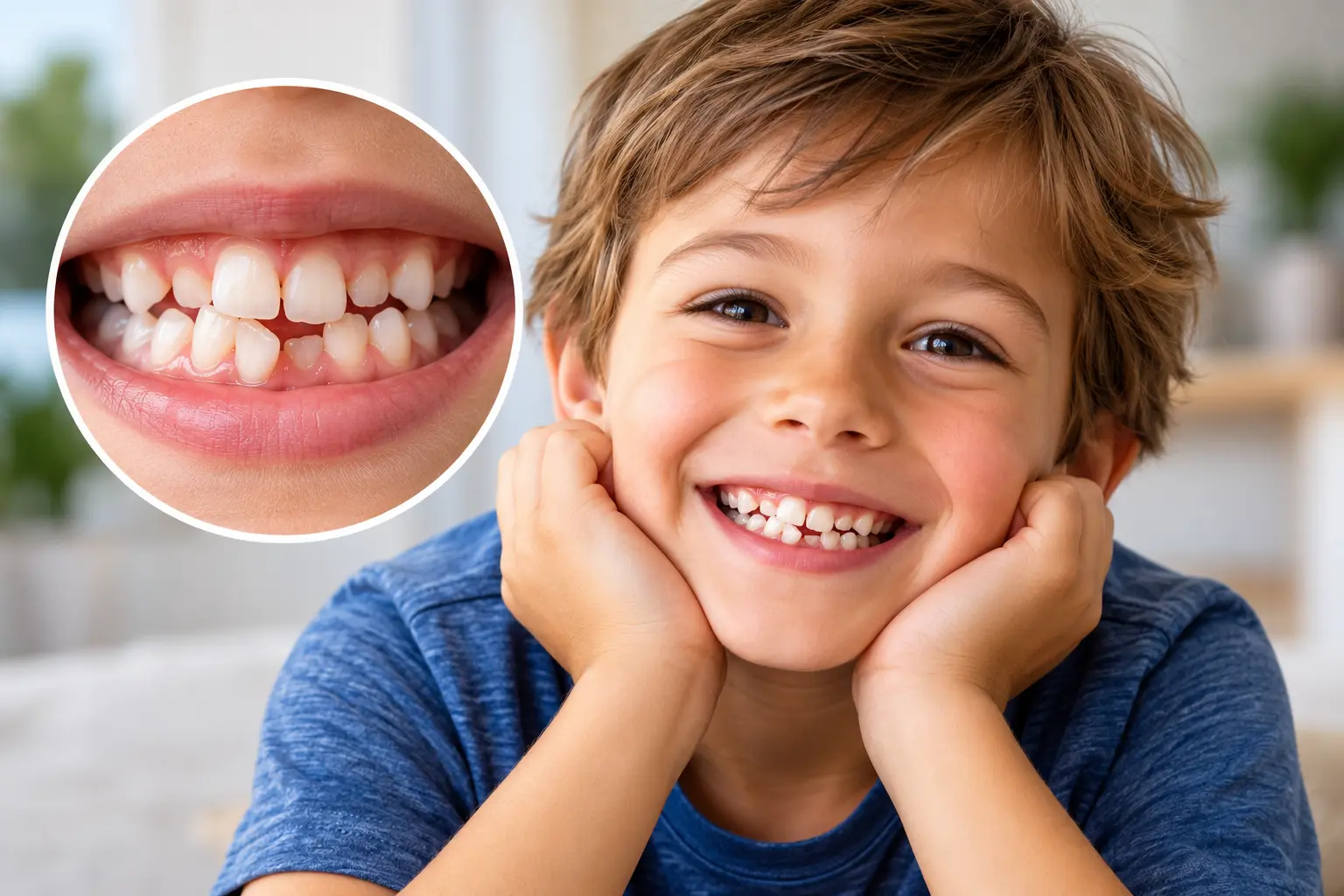
Early jaw development plays a vital role in creating enough space for teeth to erupt naturally. When the jaw grows properly, it supports healthy breathing, correct alignment, and helps prevent crowded teeth, the need for braces, and unnecessary tooth extractions later in life.
The Problem with Modern Orthodontics
For decades, traditional orthodontics has relied on extractions as a standard solution for overcrowded teeth. Many children and teenagers are told they need to have perfectly healthy teeth removed just to make room for the rest of their teeth to align properly. But what if we told you this could often be prevented?
The Root Cause: Underdeveloped Jaws
The need for extractions doesn’t arise because we naturally grow too many teeth. Instead, it happens because modern lifestyles have contributed to underdeveloped jaws. Unlike our ancestors, whose strong, wide jaws easily accommodated all their teeth, many children today grow up with narrow dental arches and insufficient space for proper tooth alignment.
So, what changed?
Factors Contributing to Poor Jaw Development:
- Mouth Breathing – Instead of nasal breathing, many children breathe through their mouths, which can lead to improper tongue posture and weak jaw development.
- Soft Diets – Processed and soft foods require less chewing effort, reducing the natural stimulation required for strong jaw growth.
- Poor Oral Habits – Thumb sucking, prolonged pacifier use, and bottle-feeding can all contribute to improper jaw formation.
- Lack of Myofunctional Awareness – Many parents and even some healthcare providers are unaware that improper tongue posture and swallowing patterns can hinder natural jaw growth.
How Myofunctional Therapy Helps Prevent Extractions
The good news is that early intervention can help guide proper jaw development, reducing or even eliminating the need for extractions and braces later in life. Myofunctional therapy focuses on training the tongue, lips, and facial muscles to function correctly, supporting natural jaw expansion and alignment.
Key Benefits of Myofunctional Therapy:
- Encourages Proper Nasal Breathing – Breathing through the nose supports optimal oxygen intake and helps guide facial development.
- Strengthens Jaw Muscles – Exercises that encourage proper chewing and tongue posture stimulate natural jaw expansion.
- Promotes Correct Tongue Posture – The tongue resting on the roof of the mouth encourages wider dental arches and better alignment.
- Reduces Orthodontic Intervention – When jaw development is guided correctly from an early age, the need for braces and extractions can be significantly reduced.
The MyoWay Approach: Proactive Jaw Development
At MyoWay, we take a proactive approach to jaw and airway health. Our specialized myofunctional therapy program helps children develop strong, properly aligned jaws that provide adequate space for their teeth—just as nature intended.
Our program includes: ✅ Medical-grade appliances that gently guide jaw growth ✅ Myofunctional exercises tailored to each child’s needs ✅ Parental guidance on how to encourage nasal breathing and healthy oral habits
Take Action Early
The best time to address jaw development is during childhood, before permanent teeth erupt and before orthodontic problems arise. If your child breathes through their mouth, has crowded teeth, or struggles with poor sleep due to airway issues, early intervention can make a world of difference.
By addressing the root causes early, we can help children grow into their best, healthiest smiles—without unnecessary extractions.
📲 Want to learn more? Contact MyoWay today to schedule an assessment and start your child on the path to natural, healthy jaw development.