
What Parents & Dentists Can Do

Parents today want more than straight, white teeth for their children—they want deeper sleep, sharper focus, and robust long-term health. One deceptively simple habit can undermine all three: mouth breathing.
In this article, we’ll explain why nasal breathing matters, what signs to watch for, and how myofunctional therapy at MyoWay Center for Kids helps restore healthy function for lasting results.
Why nasal breathing matters
Nasal breathing does more than move air—it conditions it. The paranasal sinuses are a major source of nitric oxide (NO), a gas that supports vascular tone, oxygen delivery, and local immune defense. When kids breathe through the nose, they naturally “mix in” this NO on the way to the lungs.
By contrast, habitual mouth breathing bypasses these benefits and can contribute to poorer airway regulation and less efficient gas exchange—especially during sleep and activity.
What mouth breathing does to growing faces
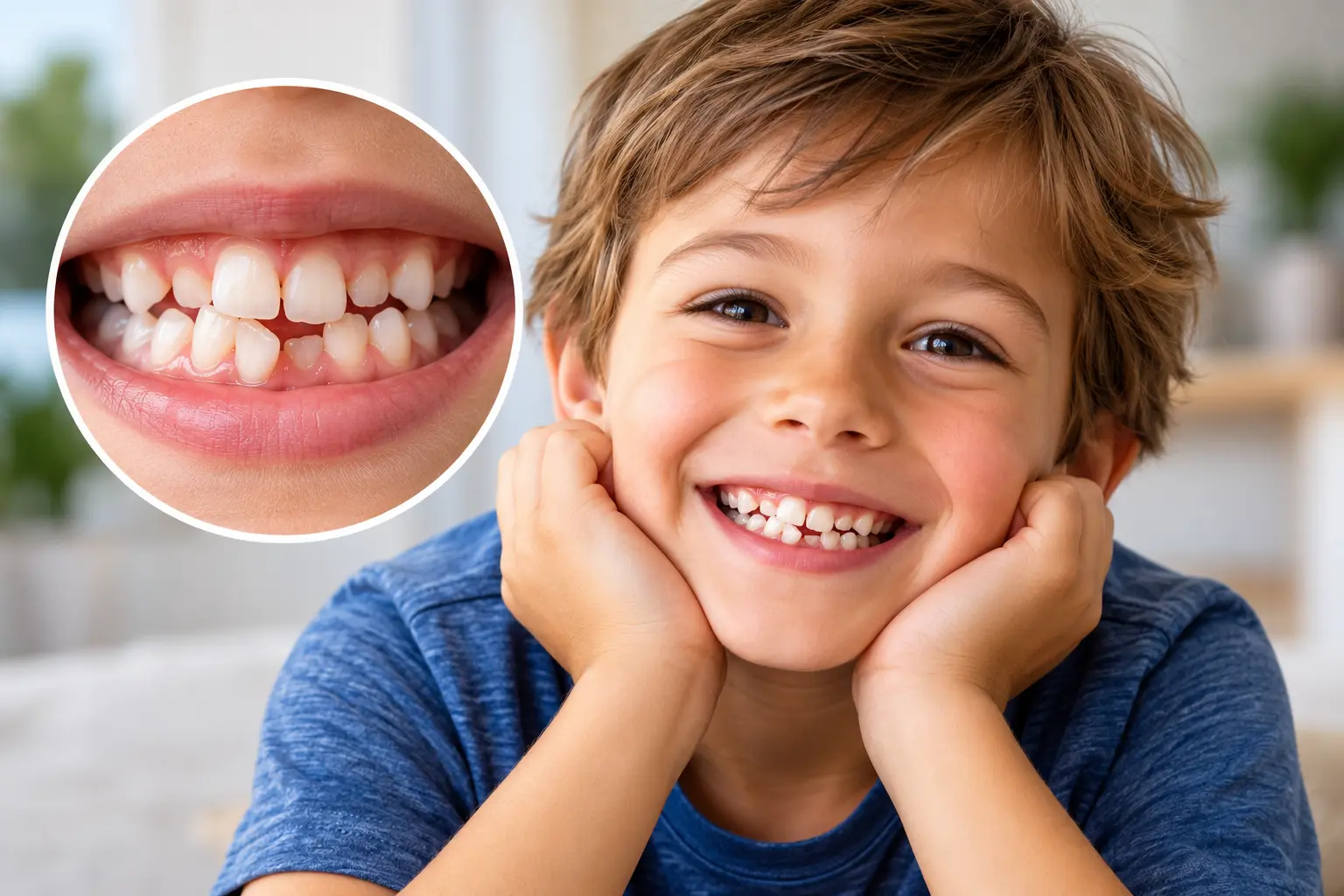
During childhood, the jaws and airway are rapidly developing. A growing body of research links chronic mouth breathing with altered facial growth—think narrower arches, backward rotation of the jaws, and crowded teeth that can also constrict the airway. These changes can compound sleep and breathing problems over time.
Sleep-disordered breathing in children isn’t just about snoring; it’s tied to learning difficulties, behavioral issues, and impaired growth. The American Academy of Pediatric Dentistry (AAPD) recommends that dental professionals screen routinely and coordinate timely referrals when risk is identified.
Red flags parents and providers should notice
- Open-mouth rest posture, especially when watching screens or reading
- Snoring, restless sleep, bedwetting beyond expected ages
- Teeth grinding, drooling on the pillow, or waking with a dry mouth
- Dark under-eye circles, daytime fatigue, or trouble focusing in school
- Crowded teeth or a narrow, high palate during routine dental exams
If several of these are present, it’s worth a closer look.
The fix isn’t “just breathe through your nose”
For many kids, mouth breathing is driven by a mix of structure (narrow arches or restricted nasal airflow) and function (weak oral-facial muscles or poor oral posture).
That’s why real change typically requires a team approach:
- Assessment – Screening for sleep, airway, and growth patterns
- Clearing obstructions – Coordinating with ENT/allergy as needed
- Restoring function – Retraining nasal breathing, tongue posture, and swallowing patterns via myofunctional therapy
- Guiding growth – When appropriate, using appliances to develop the jaws and airway for better long-term stability
Evidence for pediatric orofacial myofunctional therapy (OMT) is growing, with recent reviews and trials investigating its role in improving sleep-related breathing and function. While research continues to evolve, clinical programs increasingly use OMT alongside airway-friendly growth guidance.
How MyoWay Center for Kids helps
MyoWay is dedicated to early, airway-centered care that supports proper jaw and airway development. Our structured program combines:
- Targeted myofunctional therapy to build the habits of healthy nasal breathing, tongue posture, and chewing/swallowing
- Medical-grade appliances, including the world’s first myofunctional exerciser appliance, to encourage proper growth and airway expansion
- Collaborative care with pediatric and family dentists, ENTs, orthodontists, pediatricians, and sleep specialists
The result? Children who breathe better, sleep deeper, and focus longer—and families who feel empowered with a plan.
For dental teams: bring airway-focused care into your practice
Parents are already asking about sleep, attention, and breathing. If your practice doesn’t yet offer airway-focused options, MyoWay can partner with you to deliver a turnkey, evidence-informed program—complete with training, protocols, and co-managed care pathways—so you can elevate outcomes and differentiate your brand.
Take the next step
If your child shows signs of mouth breathing—or you’re a dentist ready to integrate airway-focused care—we’re here to help.
Visit https://mychart.myoryx.com/patient/#/auth/onlineschedule?realm=myoway&univers=com to book a free consult today!
FAQ
Isn’t mouth breathing normal during a cold?
Short bursts during illness are common. The concern is habitual mouth breathing at rest or during sleep, which warrants evaluation.
Will my child “grow out of it”?
Sometimes but not reliably. Because growth is rapid in childhood, early intervention can prevent problems from getting “built in.”
Do braces fix airway problems?
Traditional alignment alone doesn’t address the function of breathing, tongue posture, or sleep. Airway-focused programs combine growth guidance and functional retraining for lasting change.