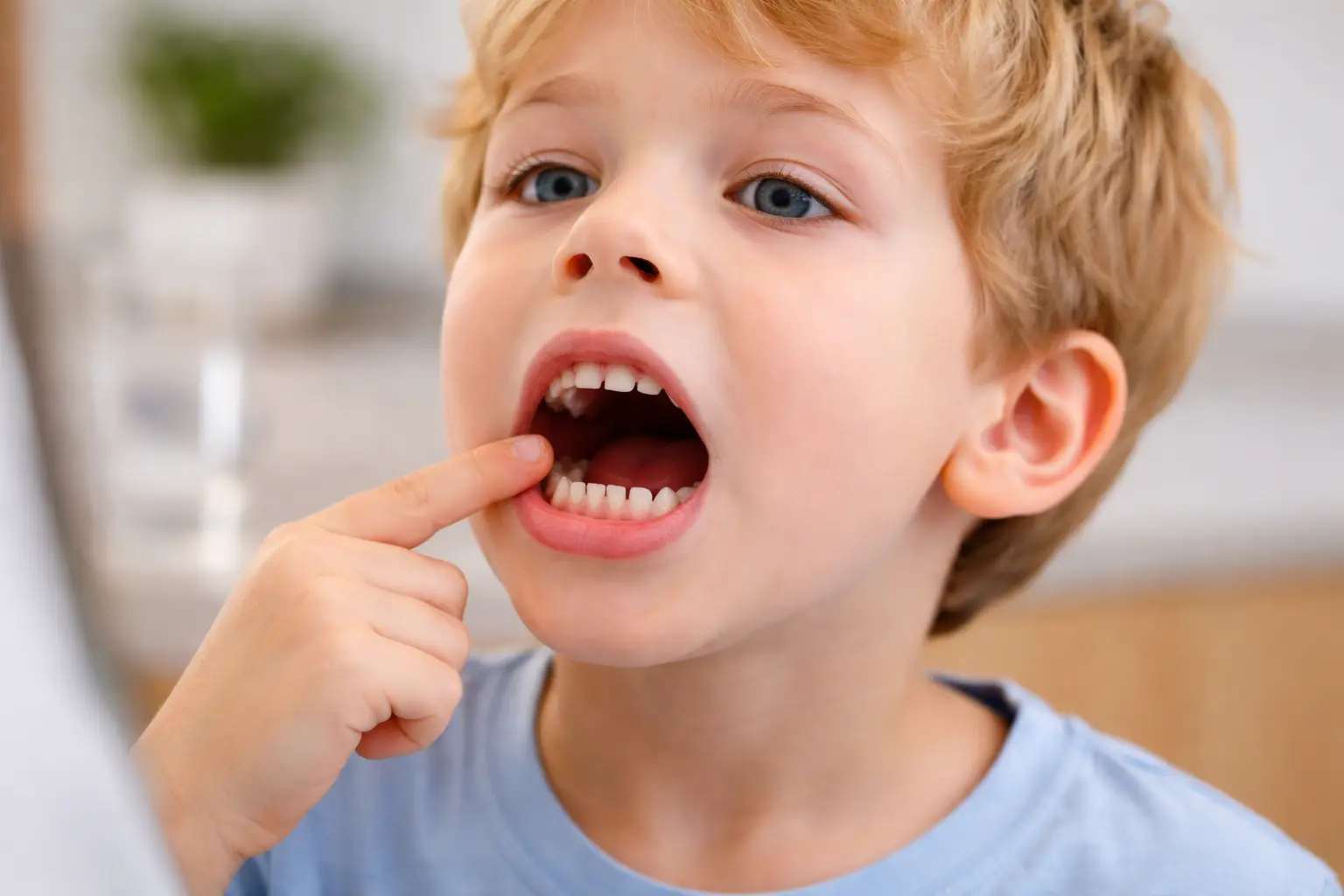
Many parents feel hopeful when they hear that a palatal expander can create more space in their child’s mouth and airway. For families concerned about mouth breathing, snoring, restless sleep, or crowded teeth, expansion can sound like the full answer. It is an important step, but it is not the whole story.
At MyoWay Centers for Kids, we believe families deserve a clearer understanding of how the airway works and what healthy development actually involves. When people talk about opening the airway, they are often referring to structure. That usually means widening the upper jaw to support the nasal cavity. While that can be helpful, it does not automatically address what is happening farther down the airway, especially in the space behind the mouth.
This distinction matters because children do not just breathe through anatomy alone. They breathe through anatomy and function working together. A child may have more space in the upper jaw, but if tongue posture, oral muscle function, and breathing habits are still not working well, the airway may still not be supported as fully as it could be. That is why MyoWay Centers for Kids looks at both structure and function when supporting healthy airway development in children.
Palatal expansion may help create more space in the upper jaw and nasal cavity, which can support the nasopharynx. However, it does not directly improve the function of the oropharynx, the part of the airway behind the mouth. Myofunctional therapy helps address breathing patterns, tongue posture, oral rest posture, and muscle function, which all play an important role in supporting the airway more completely.
Understanding the Pharynx in Simple Terms
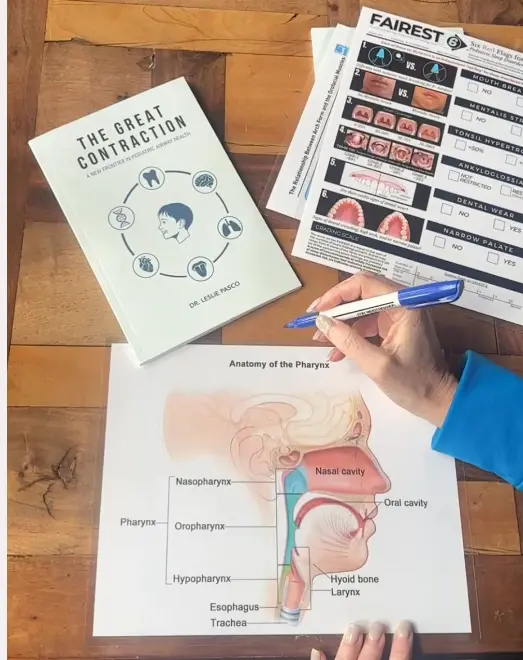
To understand why palatal expansion is only one part of the picture, it helps to understand the pharynx. The pharynx is the throat area that connects the nose and mouth to the rest of the airway. It has three main sections:
- The nasopharynx, which is the area behind the nose
- The oropharynx, which is the area behind the mouth
- The hypopharynx, which is the lower part of the throat below that
When an orthodontic expander is used, the goal is usually to widen the upper jaw and support the nasal cavity. This can be helpful for the area connected to the nasopharynx. What this does not directly do is improve the function of the oropharynx. The oropharynx is closely influenced by where the tongue rests, how the lips stay closed, how the mouth functions at rest, and how the child breathes throughout the day and night. That is why more space does not always mean better function.
What Palatal Expansion Can Help With
Palatal expansion can play a valuable role in healthy growth and development. When the upper jaw is narrow, children may have:
- Less room for the tongue
- More crowding of the teeth
- Reduced support for nasal breathing
- A narrower upper arch
Expansion can help create more width in the upper arch and support the nasal cavity. In the right case, that can be meaningful for a growing child.
Potential benefits of palatal expansion may include:
- More space in the upper jaw
- Better support for nasal breathing
- Improved room for developing teeth
- Better structural support during growth
These benefits are important. They can create a better foundation. Still, creating space is only one side of the airway conversation.
What Palatal Expansion Does Not Automatically Address
One of the most common misunderstandings is the idea that once the palate is widened, the airway has been fully addressed. That is not always true. A child can still struggle after expansion if the functional side of breathing and oral posture is not addressed.
For example, a child may have:
- A wider upper jaw but continue breathing through the mouth
- More room in the mouth but still keep the tongue low
- Structural changes from expansion but continue to snore
- Improved dental space but poor oral rest posture
- Better anatomy but unchanged breathing habits
Why the Oropharynx Matters So Much
The oropharynx is the space behind the mouth. It does not always get enough attention in airway conversations, yet it plays a major role in how a child breathes and sleeps.
This area can be influenced by:
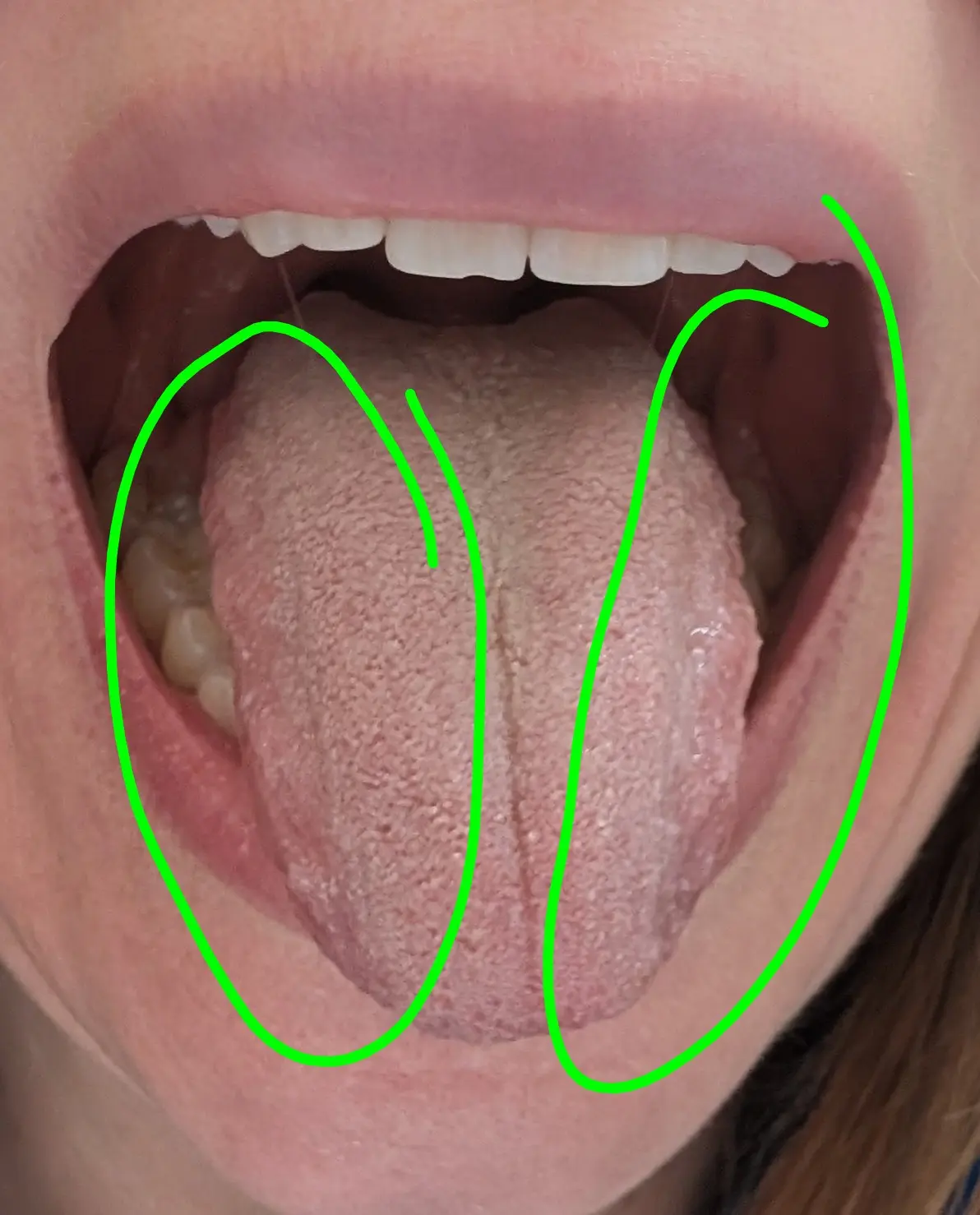
- Tongue posture
- Oral rest posture
- Lip seal
- Swallowing patterns
- Muscle tone
- Breathing habits
If the tongue rests too far back or too low, it may not support the airway the way it should. If the mouth stays open at rest, the child may rely more on mouth breathing. If oral muscle function is weak or poorly coordinated, healthy breathing patterns may be harder to maintain. This helps explain why some children continue to have symptoms even when one part of the airway has been structurally addressed.
No parent wants their child to struggle with breathing during sleep. No parent wants their child to wake tired, restless, or unfocused without understanding why. Looking at the oropharynx helps families understand that airway support is about more than widening the palate.
The Role of Myofunctional Therapy
This is where myofunctional therapy becomes an important part of the conversation.
Myofunctional therapy focuses on how the muscles of the tongue, lips, cheeks, and face work together. It helps children build healthier patterns for:
- Tongue posture
- Oral rest posture
- Swallowing
- Nasal breathing
- Muscle coordination
Instead of focusing only on structure, myofunctional therapy helps the child function better within that structure. At MyoWay Centers for Kids, this matters because a child needs both space and healthy use of that space. When the tongue rests where it should, when the lips stay together more easily, and when breathing patterns improve, the airway can be supported more completely.
Myofunctional therapy is not about replacing orthodontic care. It is about complementing it. When structural support and functional support work together, children often have a stronger foundation for sleep, breathing, and growth.
Why Structure and Function Need to Work Together
Healthy development is not just about jaw width or tooth alignment. It is also about whether the body is using those structures in a healthy way. A helpful way to think about this is simple. Creating more space is valuable, but the body still needs healthy habits and muscle patterns to make the most of that space.
When structure and function work together, children may be better supported in:
- Breathing
- Sleeping
- Oral posture
- Growth
- Daily function
When only one side is addressed, children may still struggle in ways that leave families confused. A child can look improved on paper while still showing signs that something is not fully resolved.
That is why MyoWay Centers for Kids believes in a more complete approach to airway development.
Signs Parents Should Pay Attention To
Parents are often the first to notice patterns that suggest something deeper is going on. These signs do not confirm one single cause, but they can be important clues that a child may need a closer look at airway structure and function.
Common signs may include:
- Mouth breathing during the day
- Open mouth posture at rest
- Snoring
- Restless sleep
- Teeth grinding
- Crowded teeth
- Chronic fatigue
- Difficulty focusing
- Irritability linked to poor sleep
- Dry mouth in the morning
- Frequent waking
- Dark circles under the eyes
When several of these signs show up together, it may be time to look beyond teeth alone and ask better questions about breathing, sleep, and oral function.
Why Early Intervention Matters
Children are still growing, which means early support can matter in a meaningful way. Their jaws, muscle patterns, oral habits, and airway development are all still changing. Too often, families are told to wait until more adult teeth come in or until orthodontic concerns become more obvious. By then, unhealthy breathing habits and poor oral posture may already be well established.
A better conversation starts earlier by asking:
- Is this child breathing comfortably through the nose?
- Is the tongue resting where it should?
- Is sleep quality supporting healthy development?
- Are oral habits helping growth or working against it?
- Is the airway being considered from both a structural and functional perspective?
These questions help move the conversation from a narrow focus on teeth to a broader view of child wellness.
How This Connects to Sleep, Focus, and Daily Life
Children do not usually say, “I am having trouble with my airway.” Instead, they often show signs in everyday life.
They may:
- Snore
- Toss and turn at night
- Wake up tired
- Struggle with focus
- Seem irritable
- Show changes in mood
- Have trouble settling into restful sleep
When breathing and sleep quality are not where they should be, the effects can carry into school, behavior, energy, and daily function. This is one reason families often spend so much time searching for answers. Understanding the difference between creating space and improving function gives parents a more informed way to think about what their child may need.
The MyoWay Centers for Kids Approach
MyoWay Centers for Kids believes children deserve care that looks at the full picture. Palatal expansion may be a valuable part of care, especially when structural support is needed in the upper jaw and nasal cavity. Still, it is only part of the airway story. The oropharynx matters. Tongue posture matters. Oral rest posture matters. Muscle function matters. Breathing habits matter.
When these pieces are considered together, families often gain a clearer and more complete understanding of what may be affecting their child’s sleep, breathing, growth, and daily function.
This is why MyoWay Centers for Kids focuses on the connection between structure and function, not just one or the other.
Final Thoughts
If your child has been told they may need expansion, that may be an important step. It just should not be the only conversation. Palatal expansion can help support the upper jaw and nasal cavity. Myofunctional therapy helps support the functional side of airway development by improving tongue posture, oral rest posture, breathing patterns, and muscle coordination.
Healthy airway development in children is about more than creating space. It is about helping the body function well within that space. At MyoWay Centers for Kids, we help families understand the full picture so children can build a stronger foundation for breathing, sleep, growth, and everyday life.
Book your free consultation in under 5 minutes.
https://mychart.myoryx.com/patient/#/auth/onlineschedule?realm=myoway&univers=com
Frequently Asked Questions
Does palatal expansion open the airway?
Palatal expansion may help support the nasal cavity and the upper part of the airway associated with the nasopharynx. However, it does not directly address all aspects of airway function, especially in the oropharynx behind the mouth.
What is the oropharynx?
The oropharynx is the part of the throat behind the mouth. It is influenced by tongue posture, oral rest posture, muscle tone, and breathing patterns.
Why is myofunctional therapy important after expansion?
Myofunctional therapy helps children build healthier breathing patterns, tongue posture, swallowing function, and oral muscle coordination. This can help them use structural changes more effectively.
Can a child still mouth breathe after palatal expansion?
Yes. A child may still mouth breathe if the functional side of breathing has not improved. More space does not automatically create better habits.
What signs might suggest a child needs a closer look at airway development?
Common signs include:
- Mouth breathing
- Snoring
- Restless sleep
- Open mouth posture
- Teeth grinding
- Crowded teeth
- Morning dry mouth
- Fatigue
- Poor focus
Why does MyoWay Centers for Kids focus on both structure and function?
MyoWay Centers for Kids focuses on both because healthy airway development depends on more than anatomy alone. Children need proper space, healthy tongue posture, strong oral muscle function, and supportive breathing habits working together.