Is Snoring in Children Normal?
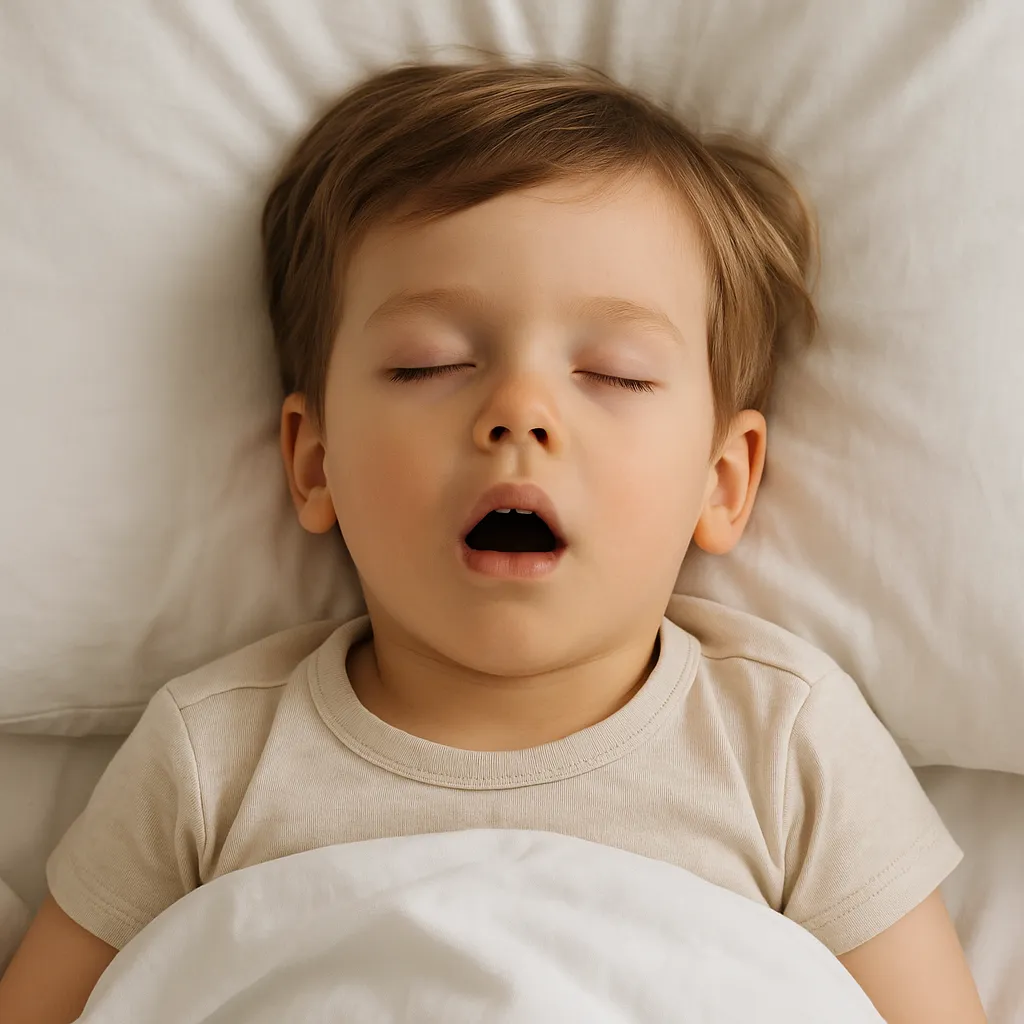
Many parents view snoring in children as harmless or even cute. It may seem like a minor issue, something they will eventually grow out of. However, regular snoring can be an early sign of deeper problems with airway and jaw development.
Snoring, heavy breathing, and restless sleep can interfere with a child’s physical growth, mental performance, and emotional regulation. If these issues are left untreated, they can result in long-term behavioral and developmental challenges.
A Real Story: Concerned Parent, Tired Child
Recently, a friend expressed concerns about her child’s behavior. Her child had been acting out, struggling to focus in school, and showing signs of irritability and emotional fatigue. At first, she assumed it might be behavioral or emotional distress.
As we spoke, more details emerged. Her child was not sleeping well, snored loudly, breathed through the mouth at night, and had persistent allergies. These are often warning signs of sleep-disordered breathing, not just poor sleep habits.
This story is common. Many children who struggle during the day are also struggling at night, and parents may not be aware of the connection.
Sleep and the Developing Brain
Sleep is essential for brain development in children. During deep sleep, the brain processes learning, restores energy, and supports emotional regulation. When sleep is interrupted due to breathing issues, children can suffer from a range of symptoms that affect their performance and well-being.
Children who do not sleep well may experience:
- Difficulty concentrating
- Mood swings
- Memory issues
- Hyperactivity
- Delayed academic performance
These symptoms often mimic attention-deficit behaviors, which can lead to misdiagnosis if the underlying sleep issues are not identified and addressed.
Common Causes of Snoring in Children
Understanding the root causes of snoring helps parents take action before problems escalate. Some of the most common contributors to childhood snoring include:
Mouth Breathing
When nasal passages are blocked, children often default to mouth breathing. This disrupts natural sleep cycles and prevents the body from receiving filtered, pressurized air through the nose.
Enlarged Tonsils or Chronic Allergies
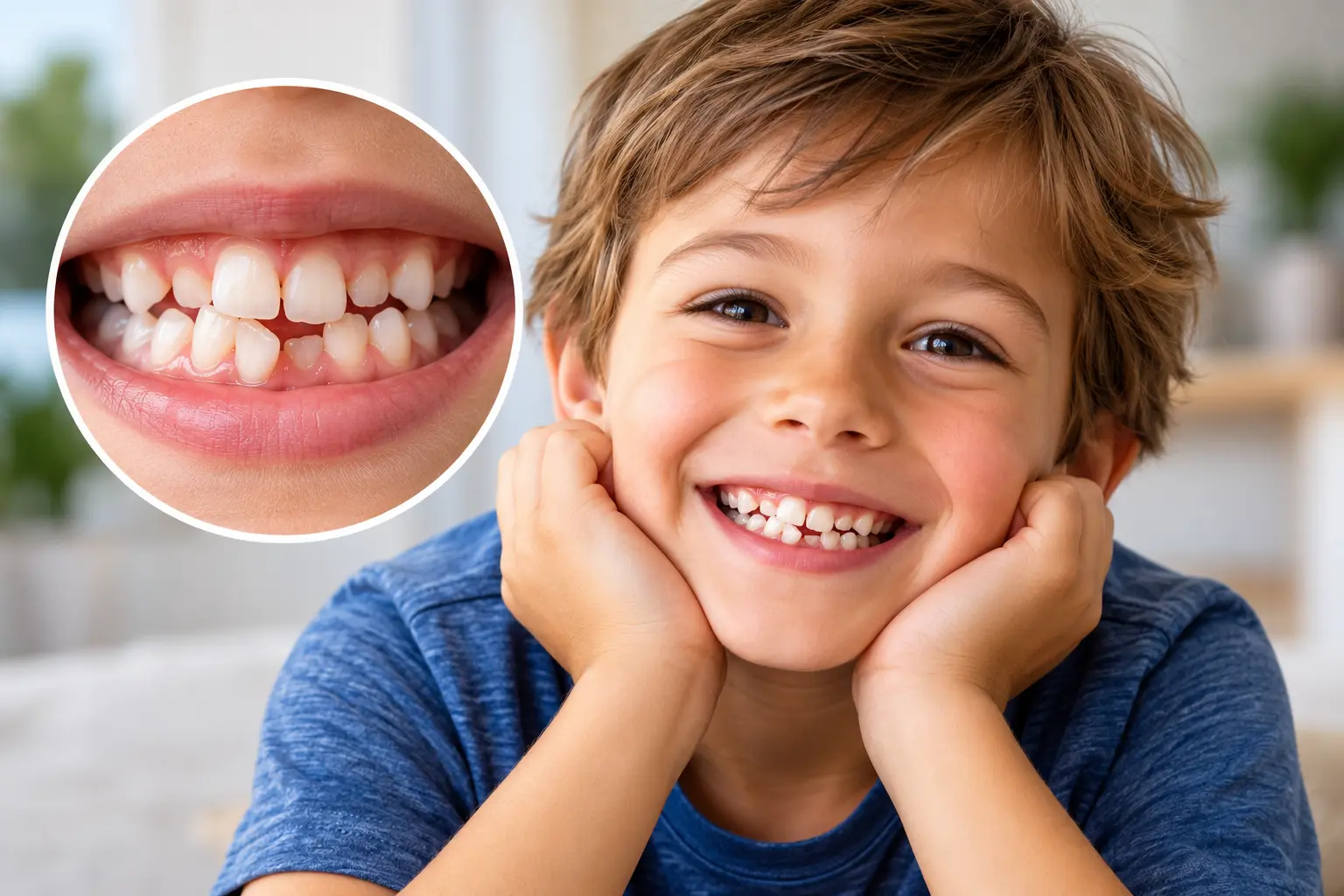
Inflamed tonsils, adenoids, or allergic reactions can obstruct nasal airflow. This can lead to nighttime mouth breathing and snoring. Over time, this affects facial and jaw development.
Underdeveloped Jaw or Narrow Palate
A small or narrow jaw may not leave enough space for the tongue, which can block the airway during sleep. This can result in loud snoring and shallow breathing.
Tongue Posture or Tongue-Tie
Low tongue posture or restricted tongue movement affects swallowing and resting position of the tongue. This impacts breathing and sleep, especially in young children.
Red Flags Every Parent Should Watch For
Sleep-disordered breathing does not always present itself in obvious ways. Here are signs that may indicate an airway-related issue:
- Snoring or gasping during sleep
- Heavy breathing at night
- Restless tossing and turning
- Grinding teeth
- Mouth breathing during the day
- Waking up frequently at night
- Bedwetting beyond typical age
- Chronic nasal congestion
- Behavioral challenges or poor focus during the day
If your child is showing multiple signs, it may be time to consider an airway-focused evaluation.
The Myofunctional Therapy Approach
At MyoWay Center for Kids, we address the root cause of sleep and behavior challenges by focusing on jaw and airway development. Our pediatric myofunctional therapy program is designed to support healthy growth from the inside out.
This is not about treating symptoms. It is about creating long-term solutions that support proper breathing, facial growth, and brain function.
Our Program Includes:
- Medical-grade appliances that support proper jaw development
- Myofunctional exercises that promote nasal breathing and correct tongue posture
- Habit retraining for thumb sucking, low tongue position, and mouth breathing
- Parent guidance to reinforce habits at home
Our program is non-invasive, child-friendly, and customized to support each child’s growth phase and health goals.
The Transformative Power of Proper Breathing
When children breathe well and sleep deeply, we see powerful changes across every area of life. Proper airway development can lead to:
- Better attention and learning outcomes
- More stable emotional regulation
- Reduced reliance on medications or behavioral interventions
- Fewer allergy or sinus issues
- Healthier facial growth and oral posture
Improved breathing leads to improved living. It is that simple.
Why Early Intervention Matters
Children are growing rapidly. Their bones, muscles, and brains are forming habits and structures that will last a lifetime. That is why early intervention is so important. Jaw and airway development can be guided most effectively between ages four and ten. This is when the face and airway are still flexible enough to respond to gentle, guided changes.
Benefits of Early Airway Intervention:
- Reduce or eliminate the need for future braces
- Prevent long-term breathing and sleep disorders
- Support healthier growth patterns
- Improve speech, feeding, and oral function
- Set the foundation for long-term wellness
By addressing concerns early, parents can help prevent complex medical or behavioral interventions later.
A Collaborative, Whole-Child Approach
MyoWay Center for Kids works closely with pediatricians, dentists, speech-language pathologists, and other specialists to provide coordinated care. We believe in supporting the whole child, not just one system or symptom.
Through this collaborative care model, we ensure that every aspect of your child’s airway and development is addressed.
We also empower parents with the knowledge and support they need to continue these habits at home.
Should You Be Concerned?
It can be difficult to know whether your child’s snoring is serious. If you are unsure, start by asking these questions:
- Is your child tired despite a full night of sleep?
- Do they snore or breathe loudly at night?
- Are they often congested or mouth breathing?
- Are they showing signs of hyperactivity or poor focus?
- Do they grind their teeth or toss and turn in bed?
If you answered yes to two or more of these questions, your child may benefit from an airway-focused evaluation.
Help Your Child Breathe, Sleep, and Grow Better
As a parent, it is natural to feel overwhelmed when something feels off with your child.
At MyoWay, we specialize in supporting early growth through gentle, structured therapy that helps children breathe better, sleep deeper, and thrive.
Book Your Free Consultation Today
Concerned about your child’s snoring, sleep, or behavior?
Book your free consultation in under 5 minutes.
https://mychart.myoryx.com/patient/#/auth/onlineschedule?realm=myoway&univers=com
Let us help your child grow into their best self with the sleep, breathing, and confidence they deserve.