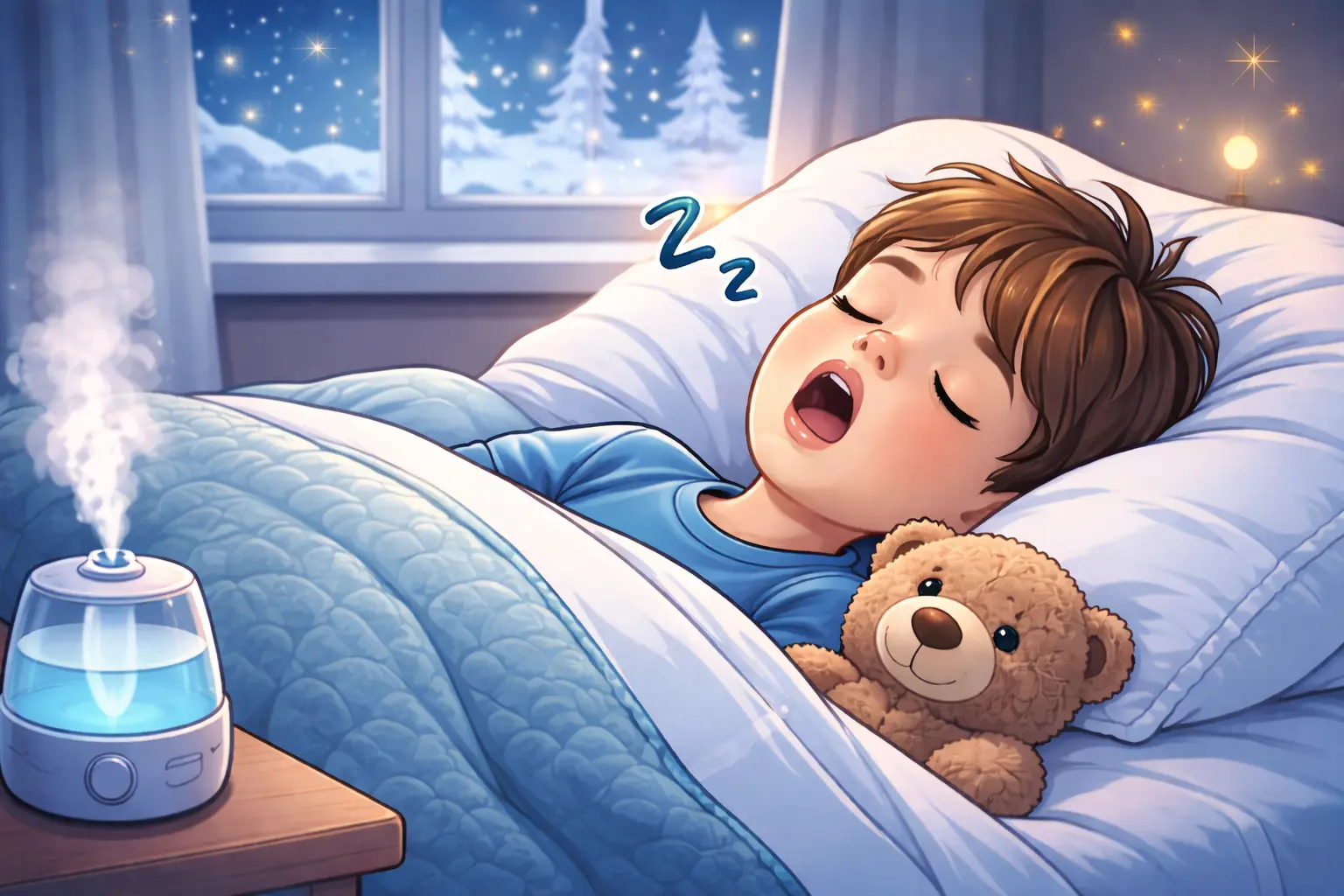
Winter often brings cold air, dry indoor heat, and more congestion. For many families, this is when snoring suddenly becomes noticeable. A child who slept quietly in the summer may now snore every night, breathe loudly, or sleep with their mouth open.
Most parents assume this is normal for the season. They expect it to improve when winter ends. While seasonal factors can make snoring louder or more frequent, they rarely create the problem. In most cases, winter simply exposes an airway issue that already exists.
Snoring in children should never be ignored, even when it seems temporary.
Is Snoring Normal for Children?
Snoring is common, but it is not normal for children. Healthy pediatric airways allow quiet, nasal breathing during sleep. When snoring occurs, it means airflow is partially blocked.
This blockage can come from several factors, including poor jaw development, low tongue posture, mouth breathing habits, or narrow airway structure. Snoring is the sound of resistance. It is the body working harder to breathe during sleep.
Over time, this resistance can disrupt sleep quality and oxygen delivery to the brain.
Why Winter Makes Snoring Worse
Winter conditions often make existing airway problems more noticeable.
Dry indoor heat can irritate nasal tissues. Cold viruses increase congestion. Allergens trapped indoors can inflame airways. These factors narrow breathing passages even further, increasing vibration and snoring.
However, if a child snores consistently in winter, it often means their airway was already compromised. Seasonal changes add stress to an already narrow system.
Winter does not usually cause snoring. It reveals it.
The Connection Between Snoring In Kids and Airway Development
A child’s airway is closely connected to how their jaw, tongue, and facial structures develop. Proper nasal breathing encourages the tongue to rest against the roof of the mouth, which supports healthy jaw growth and a wider airway.
When children breathe through their mouth, especially at night, the tongue falls low and back. This reduces stimulation needed for the jaw to grow forward and wide. Over time, the airway becomes smaller.
Snoring is often the first outward sign of this process.
How Poor Sleep Affects Children
Sleep is not just rest. It is a critical time for brain development, emotional regulation, and physical growth. When breathing is compromised, sleep becomes fragmented even if the child appears asleep all night.
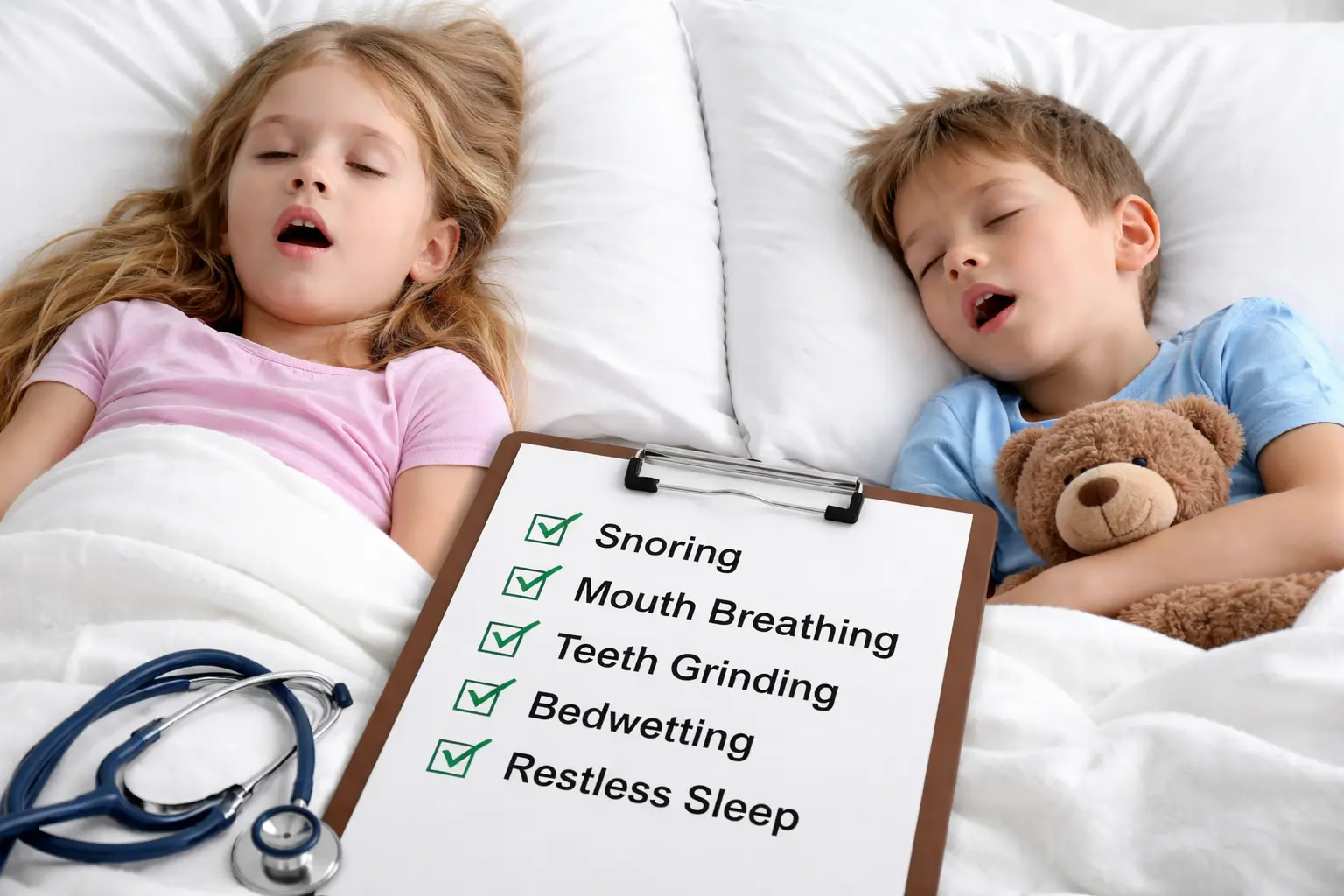
Children who snore may experience:
-
Daytime fatigue
-
Difficulty focusing
-
Hyperactivity or impulsive behavior
-
Emotional sensitivity
-
Morning headaches
-
Bedwetting
-
Teeth grinding
-
Slow growth patterns
Many of these symptoms are mistaken for behavioral or learning disorders when the true issue is poor-quality sleep caused by airway restriction.
Mouth Breathing and Snoring
Mouth breathing is one of the most common contributors to snoring in children. It is often seen during sleep but can also occur during the day.
Signs of mouth breathing include open-mouth posture, dry lips, frequent thirst at night, and noisy breathing. Mouth breathing bypasses the nose, which is designed to filter, warm, and regulate airflow.
Over time, mouth breathing changes facial growth, reduces airway size, and increases the likelihood of snoring and sleep disruption.
What Is Pediatric Myofunctional Therapy?
Pediatric myofunctional therapy focuses on improving the function of the muscles of the face, tongue, and airway. It supports proper breathing patterns, tongue posture, swallowing, and jaw development.
At MyoWay Centers for Kids, therapy is paired with medical-grade appliances designed to guide jaw and airway growth during critical developmental years.
The goal is not to mask symptoms. The goal is to improve structure and function so the airway can support healthy breathing during sleep.
Why Early Intervention Matters
Children are still growing. Their bones are malleable, and their neuromuscular patterns are adaptable. This makes early intervention especially effective.
Addressing airway issues early can support:
-
Better sleep quality
-
Improved focus and behavior
-
Healthier facial development
-
Reduced need for invasive treatments later
Waiting for a child to outgrow snoring often allows the problem to worsen as growth patterns become more established.
Common Signs That Snoring In Kids Is a Bigger Issue
Parents should consider an airway evaluation if a child experiences:
-
Snoring most nights
-
Mouth breathing during sleep or daytime
-
Restless or noisy sleep
-
Dark circles under the eyes
-
Difficulty waking in the morning
-
Teeth grinding
-
Crowded teeth
-
Behavioral challenges linked to poor sleep
Even one of these signs can indicate compromised breathing.
What Happens During a MyoWay Consultation?
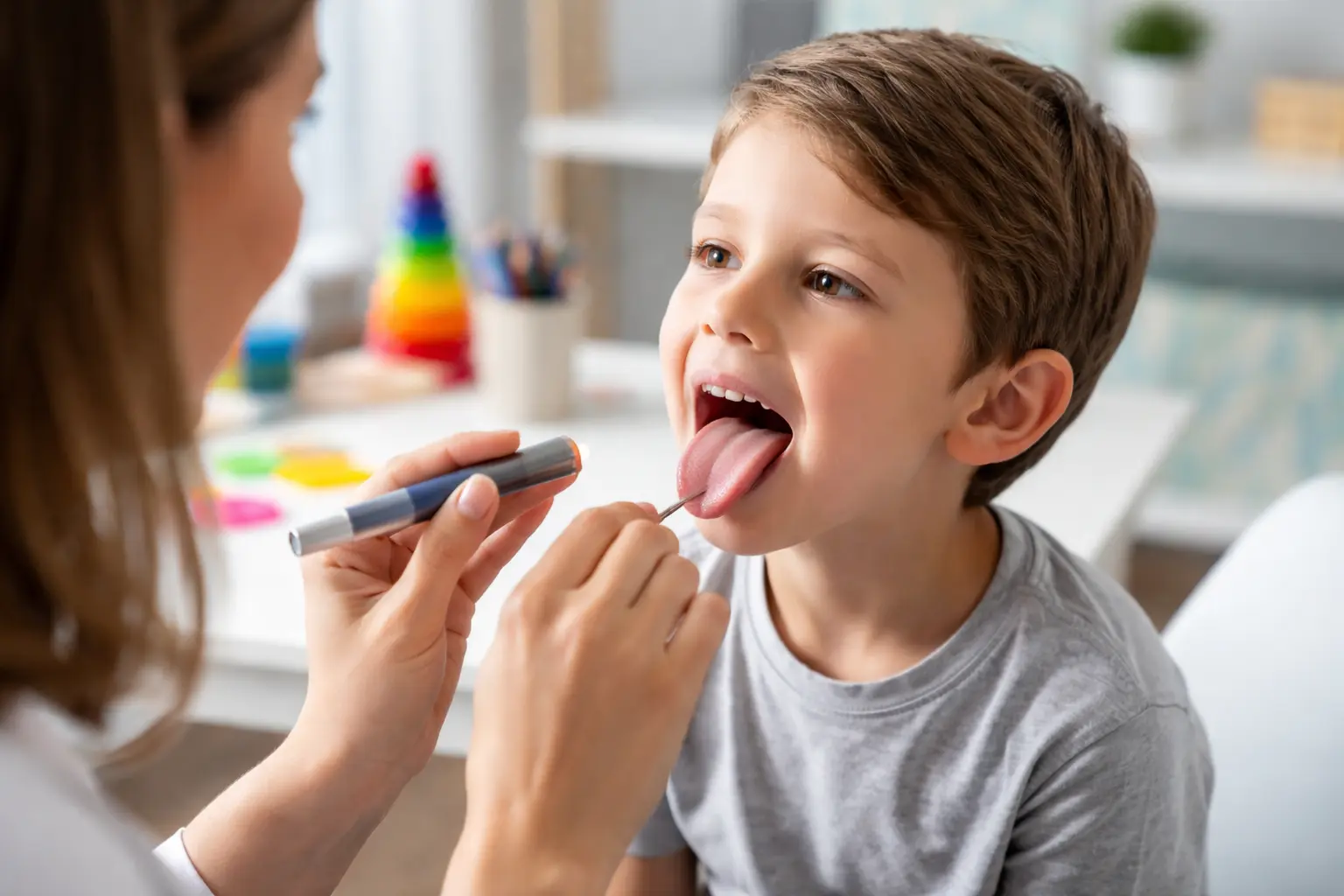
A consultation at MyoWay Centers for Kids focuses on understanding how a child breathes, sleeps, and develops. The evaluation looks at tongue posture, jaw growth, airway function, and oral habits.
Parents receive education about what is happening and why it matters. If therapy is recommended, a personalized plan is created to support proper airway development in a safe, structured way.
The approach is collaborative and designed to work alongside pediatric and dental care when appropriate.
Snoring In Kids Is a Signal Worth Listening To
Snoring is one of the body’s clearest signals that breathing during sleep is not optimal. While winter may make it louder, the message remains the same.
When children breathe well, they sleep well. When they sleep well, their bodies and brains can grow as intended.
Addressing snoring early can change the trajectory of a child’s health, focus, and quality of life.
Frequently Asked Questions About Snoring in Children
Is snoring in kids normal?
No. Occasional noise during illness can happen, but regular snoring is not normal and often indicates airway restriction.
Can children outgrow snoring?
Some children improve as structures grow, but many do not. In many cases, airway restriction worsens without intervention.
Does winter cause snoring in kids?
Winter does not usually cause snoring. It often makes an existing airway issue more noticeable.
What kind of doctor treats snoring in children?
Snoring may involve pediatricians, dentists, ENTs, and myofunctional therapy providers. An airway-focused evaluation is key.
How does myofunctional therapy help with snoring?
It supports proper tongue posture, nasal breathing, and jaw development, which can improve airflow during sleep.
Take the Next Step Toward Better Sleep
If your child snores, especially during winter, it may be time to look deeper. Understanding the airway early can make a lasting difference in sleep, behavior, and development.
Book your free consultation in under 5 minutes. https://mychart.myoryx.com/patient/#/auth/onlineschedule?realm=myoway&univers=com