
Mouth Muscles Support Jaw Growth in Children

The tongue, lips, cheeks, and jaw muscles are active throughout the day as a child breathes, chews, swallows, speaks, and rests. Like other muscles in the body, they need coordination, endurance, and healthy movement patterns to function well. These muscles do more than help a child eat or pronounce words. Their movements and resting positions […]
Airway Resistance in Children and Sleep
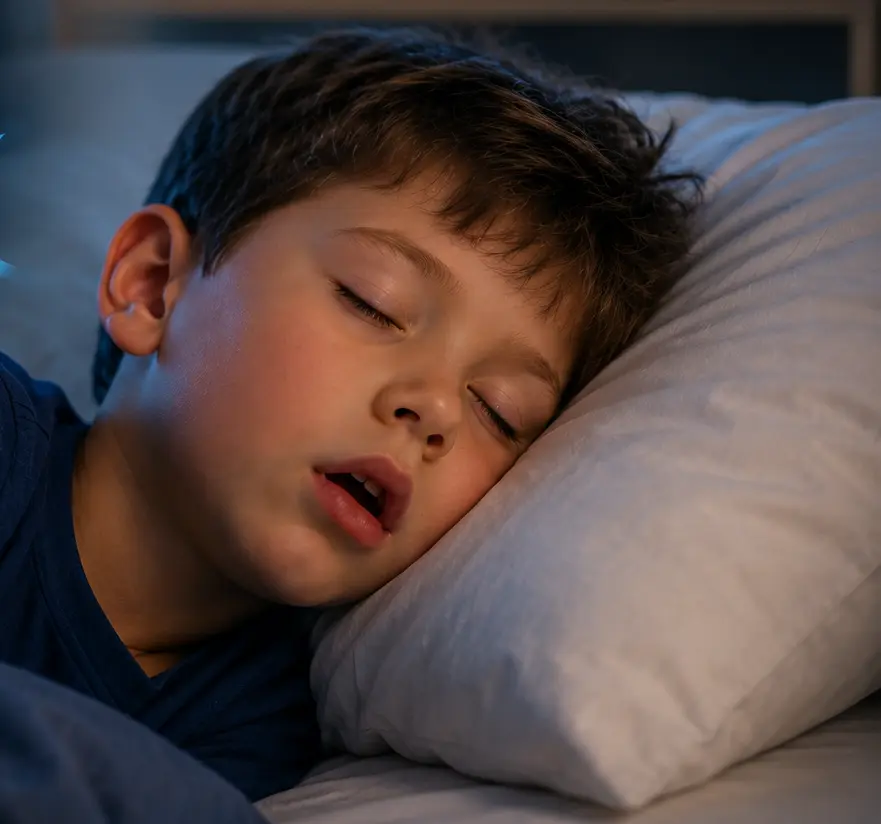
Yes, a child can sleep through the night and still have airway resistance. Sleep quality is not only measured by whether a child wakes up. It is also measured by how well they breathe while they sleep. When breathing is harder than it should be during sleep, it may affect oxygen levels, rest quality, brain […]
Why Your Child Avoids Chewing Tough Foods

If your child only wants soft foods, avoids tougher textures, or turns mealtimes into a daily struggle, it can be easy to assume they are just being picky. In my work with children and families, I often see this pattern. A parent prepares a meal, the child pushes away anything chewy or crunchy, and the […]
What Parents Should Know About Sleep and Airway Development
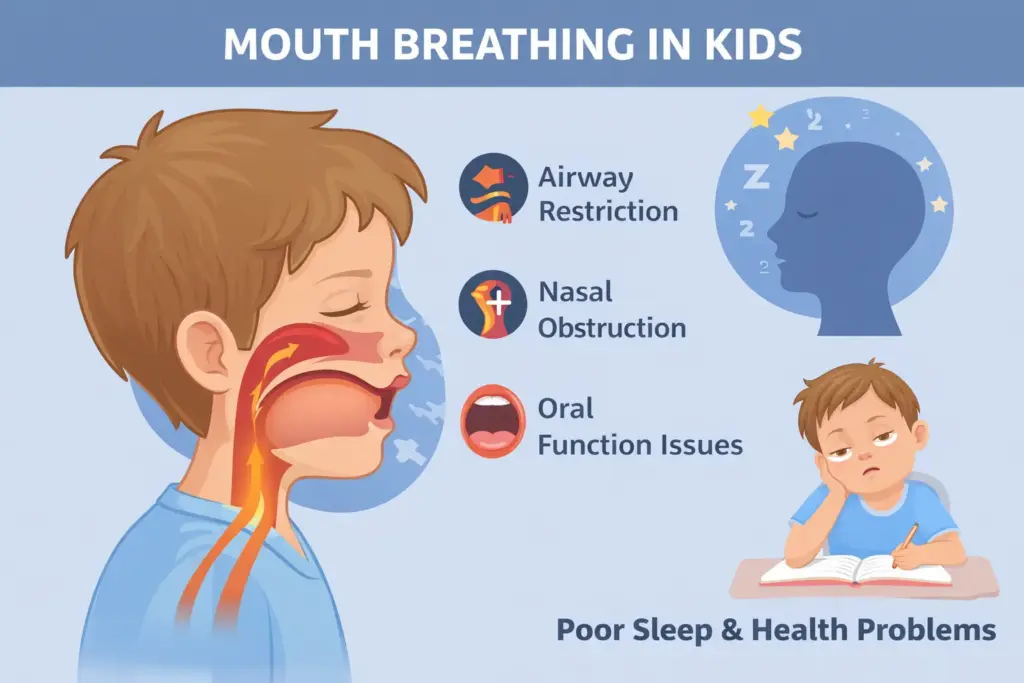
Many parents notice their child breathing through the mouth and assume it is just a habit that will go away with time. It can seem minor, especially when a child is otherwise active, healthy, and growing. In some cases, mouth breathing may come and go during allergy season or when a child has a cold. […]
Snoring and Mouth Breathing in Children May Be a Sign

Many parents hear their child snore and assume it is harmless. It can sound minor, common, or even a little funny at first. In many homes, snoring gets brushed off as just another childhood phase. Parents are often told their child will outgrow it and that there is no reason to worry. The problem is […]
Mouth Breathing in Children After a Cold
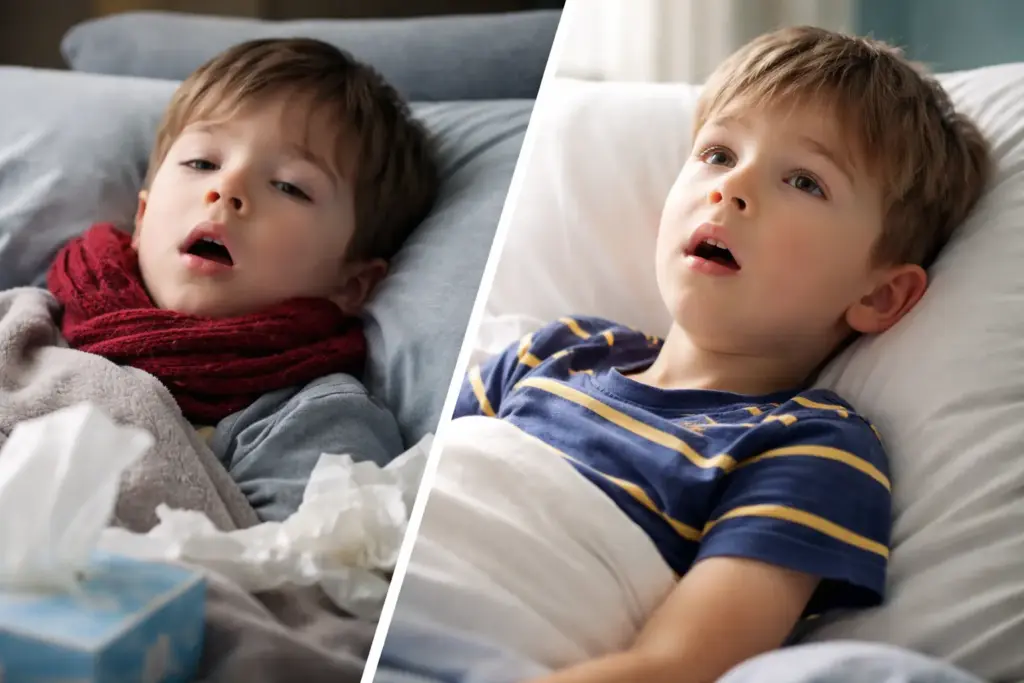
If your child began mouth breathing during a cold and continues to do so after recovering, it may no longer be congestion. Persistent mouth breathing can change tongue posture, jaw growth, airway development, sleep quality, and focus. Early evaluation makes correction easier and helps support healthy development. Many children start mouth breathing during a cold […]