In recent years, myofunctional therapy has gained recognition as an effective approach to address various health issues, particularly in children. One of the key benefits of this therapy is its positive impact on airway development in children. In this article, we will explore how myofunctional therapy can enhance airway function, promote better health, and improve overall well-being in children.
Understanding Myofunctional Therapy
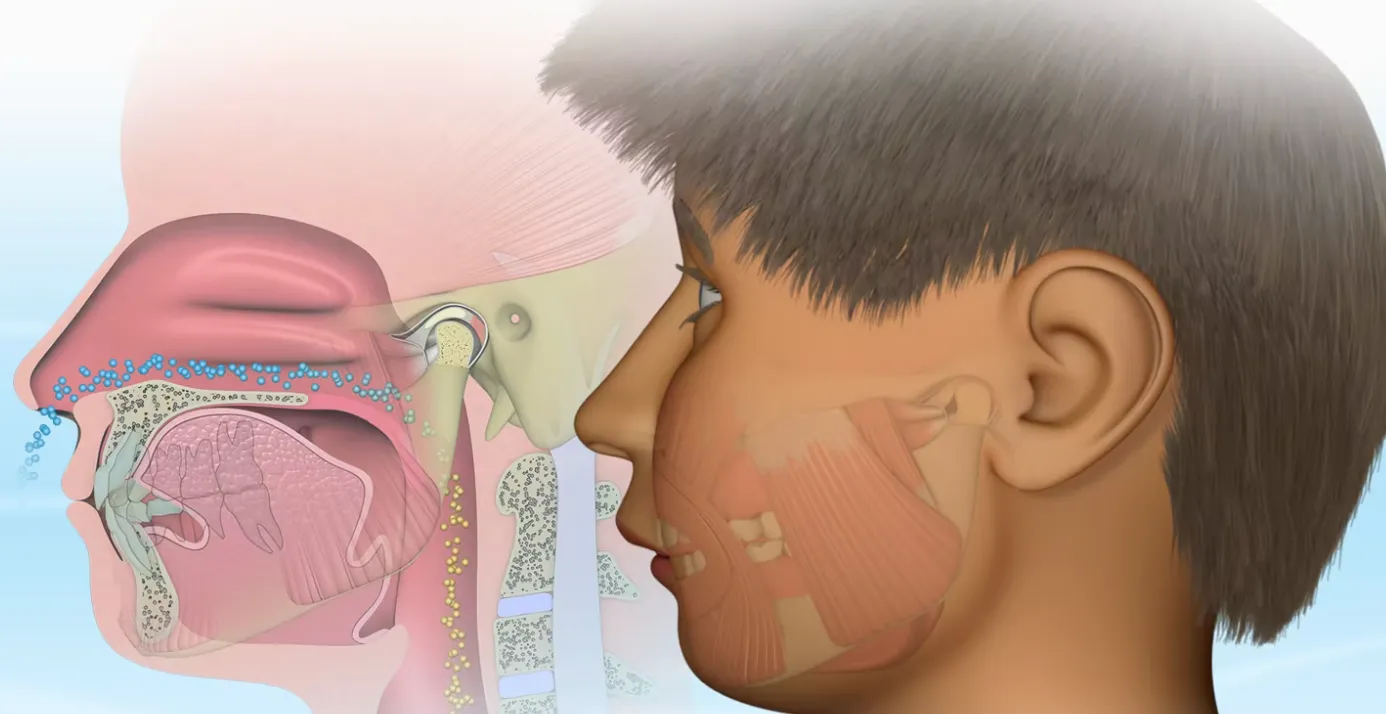
Myofunctional therapy is a specialised treatment designed to retrain the muscles of the face and mouth to function properly. This therapy involves a series of exercises that focus on correct tongue posture, lip strength, and nasal breathing patterns. By addressing these factors, myofunctional therapy aims to improve oral and facial development, allowing for optimal growth and function.
The Connection Between Airway Development and Functional Issues
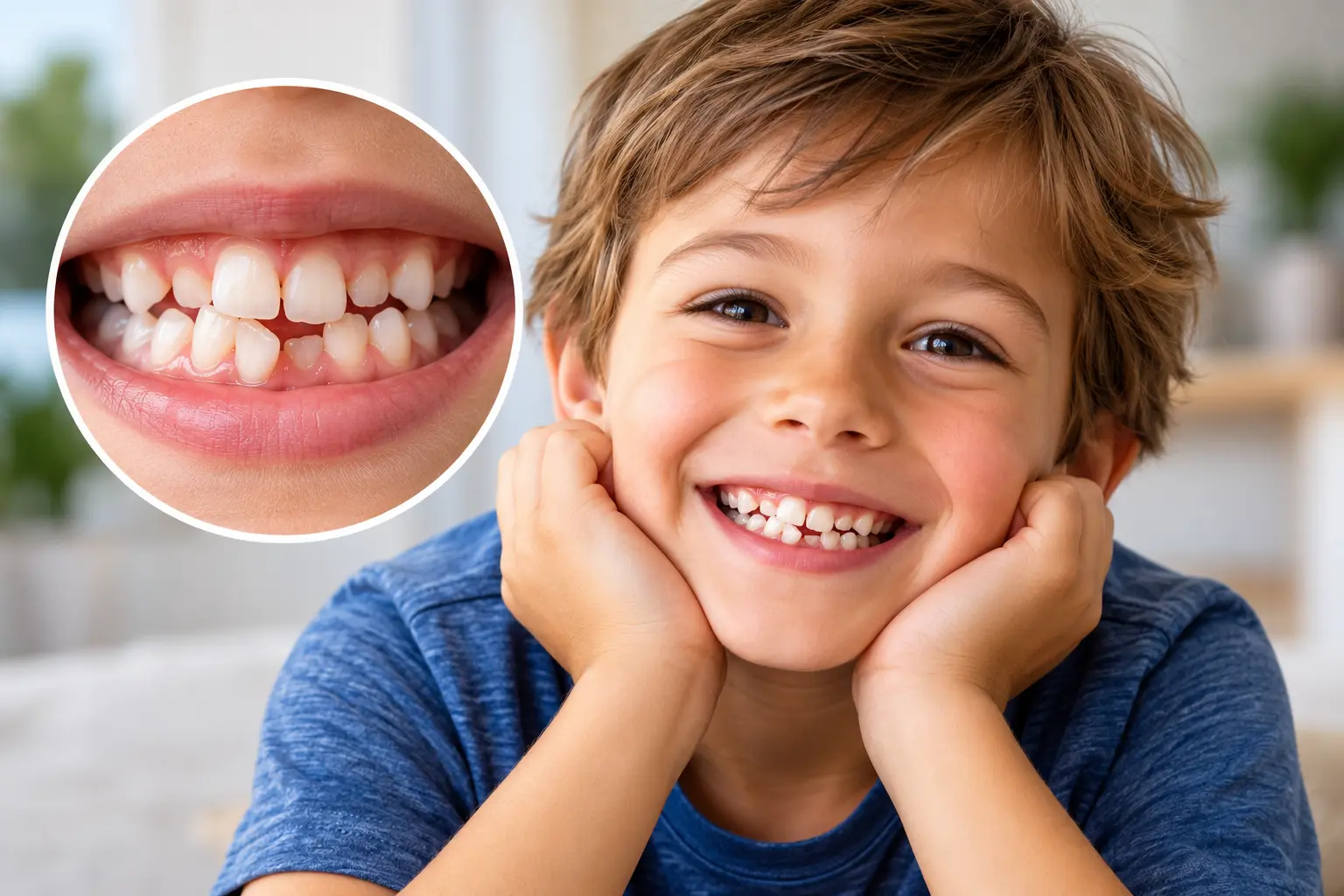
Many children face functional issues, such as mouth breathing, improper tongue posture, and malocclusion (misalignment or crooked teeth). These issues can significantly affect airway development. When children breathe through their mouths rather than their noses, it can lead to a reduced airway space, negatively impacting their ability to breathe effectively during sleep and wakefulness.
Moreover, improper tongue posture can hinder the natural growth of the jaw and facial structures. It can cause the upper jaw to narrow and limit the space available for the airway, resulting in a host of issues, including sleep apnea, snoring, and daytime fatigue.
How Myofunctional Therapy Improves Airway Development
1. Encouraging Nose Breathing:
Myofunctional therapy emphasises nasal breathing over mouth breathing. Nasal breathing helps filter, humidify, and warm the air before it reaches the lungs, promoting better respiratory health. By teaching children to breathe through their noses, therapy helps maintain optimal airway function.
2. Restoring Proper Tongue Posture:
A natural and proper tongue posture is crucial for jaw development and airway space. Myofunctional therapy trains children to keep their tongues resting on the roof of their mouths, encouraging the proper growth of the dental arches and promoting a wider airway.
3. Strengthening Oral and Facial Muscles:
The therapy includes exercises designed to strengthen the facial and oral muscles. Robust muscle tone helps support the airway structures, preventing collapse or obstruction during sleep. Stronger muscles also enhance overall oral function, including chewing and swallowing.
4. Enhancing Sleep Quality:
Improved airway development leads to better sleep quality. When a child has a clear airway, they are less likely to experience interruptions in sleep caused by breathing difficulties. Better sleep contributes to improved cognitive function, mood, and overall health.
5. Preventing Orthodontic Issues:
By promoting proper growth of the jaw and dental arches, myofunctional therapy can help prevent or mitigate orthodontic problems in the future. A well-aligned jaw and teeth create more space for airflow, further supporting healthy airway development.
In the End…
Myofunctional therapy offers a holistic approach to addressing functional issues that can adversely affect airway development in children. By focusing on proper breathing patterns, tongue posture, and muscle function, this therapy not only enhances oral health but also paves the way for improved breathing patterns, better sleep quality, and overall well-being.
It is advantageous to move forward sooner than later since 60% of a childs face is developed by the age of 6 years old. Furthermore, it is estimated that 93% of children have signs and symptoms of improper jaw and airway growth.
As parents and caregivers, understanding the importance of myofunctional therapy can empower you to seek evaluations and intervention for your children. Early intervention can lead to significant benefits that last a lifetime. If you’re interested in exploring myofunctional therapy for your child or want to learn more about its benefits for airway development, consider consulting a qualified oralfacial myologist. Together, we can foster healthier futures for our children, starting with the foundation of safe and effective breathing.