The Problem with Delaying Treatment
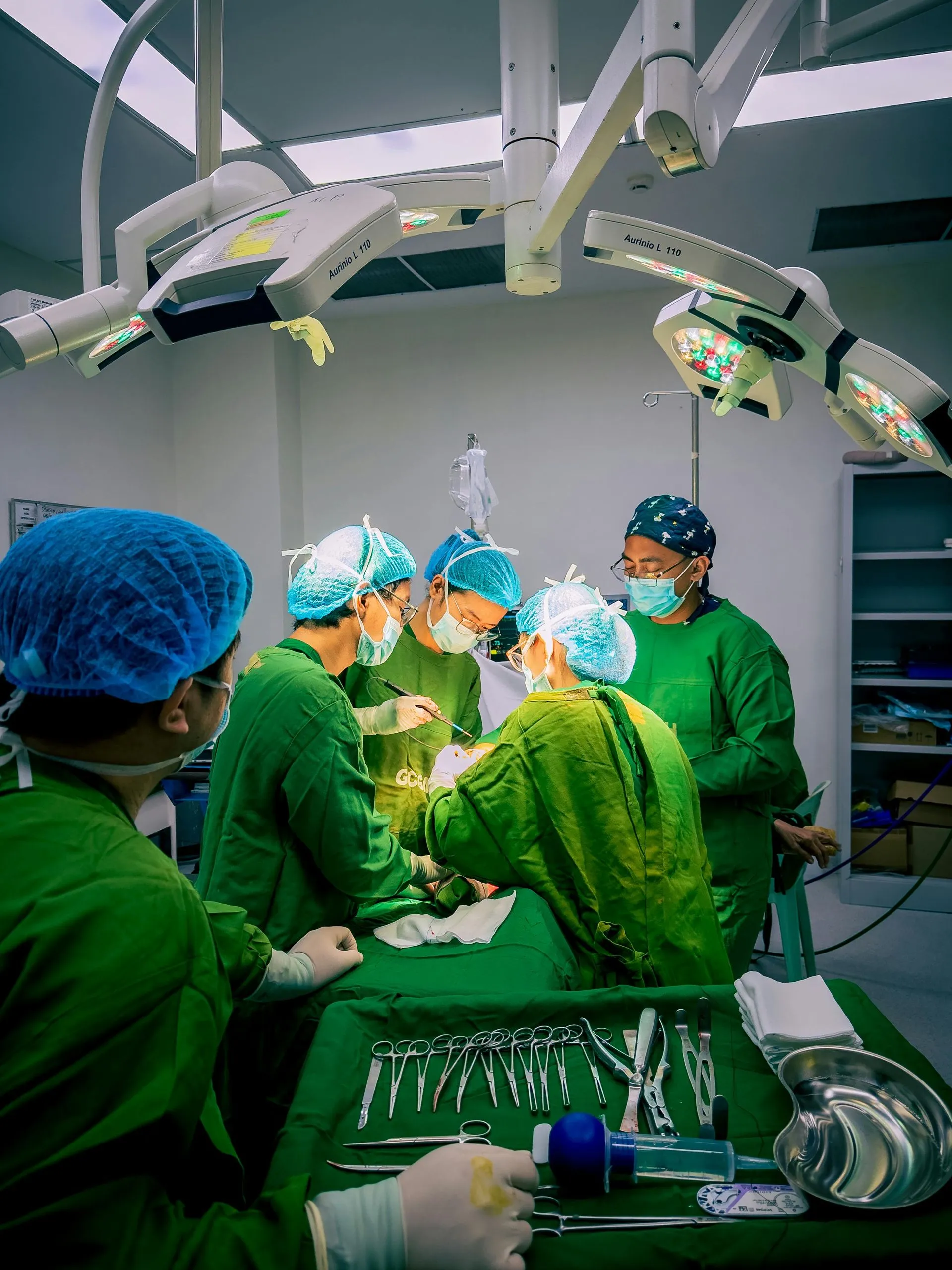
A recent story shared by a healthcare provider highlights a growing concern in pediatric care. Her teenage son is scheduled for jaw surgery because of underdeveloped jaws that were not addressed early. At age seven, she was advised to wait before beginning treatment. Now, despite traditional orthodontics, he needs radical surgical intervention.
This story is not unique. Many families are told to delay treatment, assuming time will correct the issue. Unfortunately, waiting often leads to more complex problems. Myofunctional therapy offers a proactive alternative.
For years, the standard advice has been to wait until all permanent teeth come in before beginning orthodontic treatment. This approach assumes that natural growth will resolve early concerns. In many cases, this does not happen.
Delaying treatment allows problems with jaw development and airway function to become more severe. By the time a child reaches their teenage years, the only remaining solution may be surgery.
The Role of Early Myofunctional Therapy
Myofunctional therapy focuses on guiding the growth and function of the jaw, airway, and facial muscles. It supports proper breathing, sleeping, and facial development.
At MyoWay Center for Kids, we begin working with children as early as age three. Our approach includes:
- Therapeutic exercises that train muscles to function properly
- Medical-grade appliances that guide jaw and airway development
- A structured program tailored to each child’s unique needs
This early intervention helps correct the root causes of jaw and airway problems before they require invasive treatment.
Long-Term Benefits of Starting Early
Early myofunctional therapy is not just about avoiding surgery. It provides real, long-term health benefits for children, including:
- Improved sleep quality
- Better focus and cognitive performance
- Reduced risk of future orthodontic relapse
- Healthier facial and airway development
- Decreased need for braces or extractions later in life
Parents often notice improvements in their child’s behavior, mood, and school performance once breathing and sleep improve.
What to Watch For
If your child shows any of the following signs, it may be time for an early evaluation:
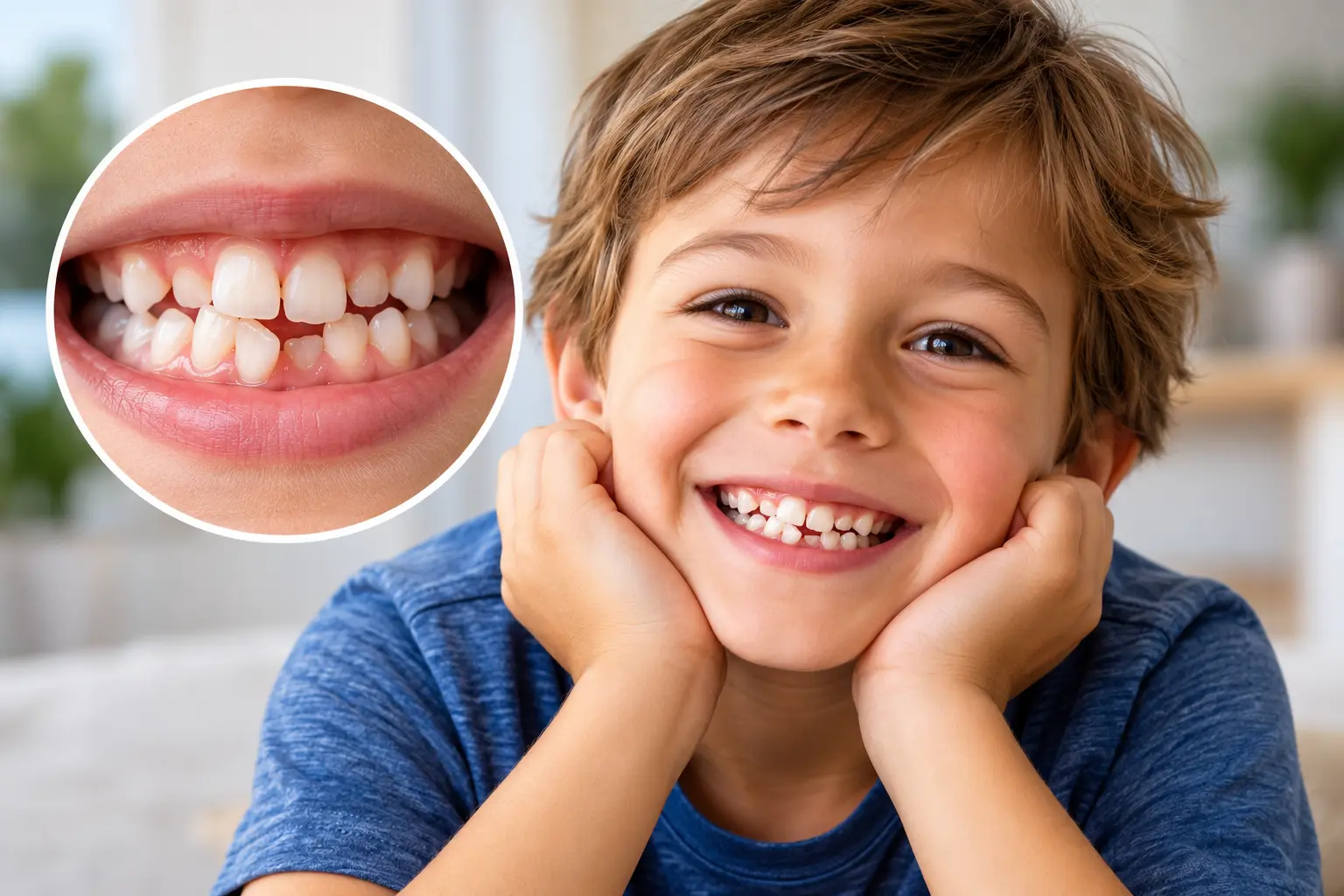
- Crooked or crowded baby teeth
- Snoring or restless sleep
- Mouth breathing
- Teeth grinding
- Difficulty focusing during the day
These are often symptoms of underlying jaw and airway development concerns.
Time Matters: Early Action is Key
The longer a child lives with poor oral posture, dysfunctional breathing, or underdeveloped jaws, the more difficult it becomes to correct. Early evaluation provides a chance to intervene before these issues become complex and require surgery.
Parents do not need to wait for a full set of adult teeth to seek support. Evaluation can begin as early as preschool age.
Take the First Step
It is worth taking the time to learn more about your child’s jaw and airway health. Early myofunctional therapy can make a significant difference in long-term outcomes.
If you are concerned about your child’s breathing, sleep, or dental development, we encourage you to schedule a consultation.
Visit the link below to book your free consultation today:
https://mychart.myoryx.com/patient/#/auth/onlineschedule?realm=myoway&univers=com