
Many parents hear their child snore and assume it is harmless. It can sound minor, common, or even a little funny at first. In many homes, snoring gets brushed off as just another childhood phase. Parents are often told their child will outgrow it and that there is no reason to worry.
The problem is that snoring is not always just snoring.
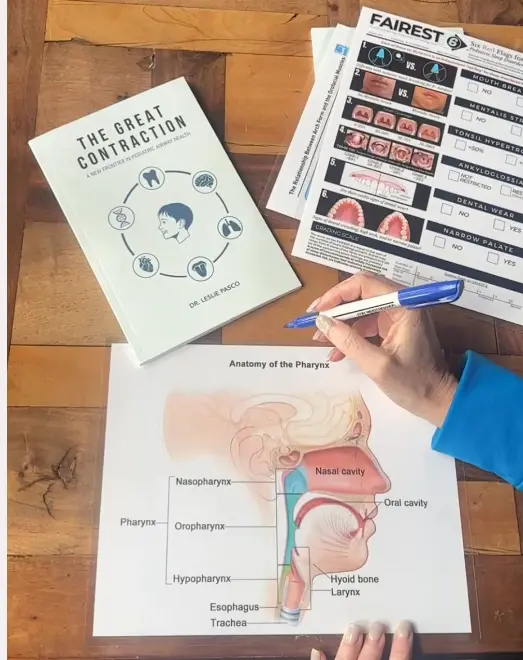
In some children, snoring can be one of the earliest visible signs that sleep and breathing are not working as they should. It may happen alongside mouth breathing, restless sleep, poor focus during the day, mood changes, or ongoing fatigue that never seems to fully make sense. What looks like a simple nighttime habit can actually point to a deeper issue involving airway development, sleep quality, and healthy growth.
At MyoWay Centers for Kids, we believe early signs matter. When families understand what snoring and mouth breathing may be communicating, they are in a much better position to support their child before bigger challenges begin to take shape.
Why Snoring in Children Should Not Be Ignored
Snoring in children is often normalized. Parents are told that some kids just sleep loudly. They may hear that it is no big deal unless the child stops breathing, wakes up gasping, or shows more obvious signs of distress. While serious symptoms deserve prompt medical attention, waiting for a problem to become dramatic can cause families to miss the earlier warning signs.
Snoring can happen when airflow is not moving smoothly through the airway during sleep. Instead of quiet, effortless breathing, the body works harder to pull air through a more restricted space. That extra effort may interrupt the quality of sleep, even if a child appears to stay asleep through the night.
This matters because children do some of their most important growing and restoring while they sleep. Deep rest supports learning, emotional regulation, physical growth, immune health, and overall development. If breathing is disrupted night after night, the effects may show up far beyond bedtime.
What Mouth Breathing in Kids May Be Telling You
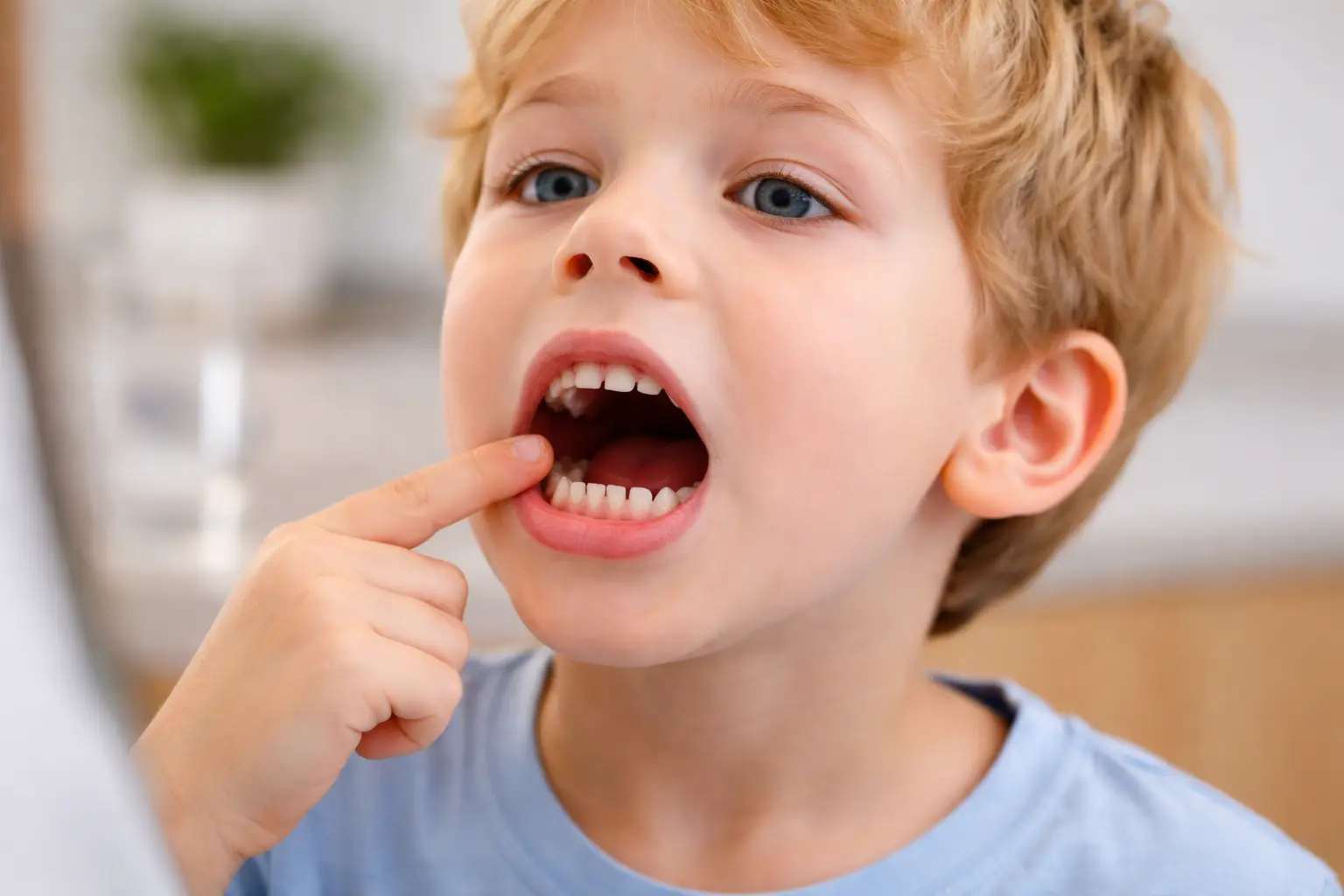
Mouth breathing in kids is another sign that often gets overlooked. Many parents notice their child sleeps with an open mouth, wakes with dry lips, or seems to breathe through the mouth during the day. Some children also snore, grind their teeth, drool on the pillow, toss and turn, or wake up looking tired even after a full night in bed.
Mouth breathing matters because the way a child breathes can influence the way the face, jaw, and airway develop over time. Nasal breathing supports proper oral posture, balanced muscle function, and healthy growth patterns. When a child relies on mouth breathing instead, those natural patterns may be disrupted. Over time, this can affect sleep quality, jaw development, and overall function.
This is one reason pediatric myofunctional therapy has become an important topic for families who want to better understand how breathing patterns connect to bigger developmental concerns.
How Poor Sleep Can Show Up During the Day
One of the most confusing parts for families is that nighttime breathing issues often appear as daytime struggles. Parents may not immediately connect the two.
A child who is not sleeping well may seem irritable, emotional, distracted, or unusually energetic in a way that feels difficult to regulate. Some children seem tired and sluggish. Others look wired, restless, and constantly on the move. School performance may begin to slip. Focus may become harder to maintain. Mornings may feel especially difficult, even when bedtime seems reasonable.
Parents sometimes find themselves chasing one symptom after another without realizing sleep may be part of the bigger picture. They may focus on behavior, attention, mood, or school concerns without first looking at what is happening during the night.
That does not mean every child who struggles with focus or behavior has a breathing issue. It does mean that sleep and breathing deserve a place in the conversation, especially when snoring and mouth breathing are present too.
The Connection Between Airway Development and Healthy Growth
Healthy sleep is not just about getting enough hours in bed. Quality matters just as much as quantity. A child can be in bed for ten or eleven hours and still miss out on the deep, restorative sleep the body needs if breathing is frequently disrupted.
When sleep quality is poor, the effects can reach many parts of childhood development. Rest helps support memory, learning, emotional regulation, physical growth, and daily energy. It also plays a role in how children recover, adapt, and engage with the world around them.
This is why airway development matters. When breathing patterns are not ideal, the body may struggle to get the quality of rest it needs. Jaw growth, oral posture, and breathing habits are all connected. That is why many parents are now looking beyond symptoms alone and asking deeper questions about function and development.
Common Signs Parents Should Not Ignore
Some signs may seem small on their own, but together they can paint a bigger picture.
Common signs may include:
-
Snoring on a regular basis
-
Sleeping with the mouth open
-
Mouth breathing during the day
-
Restless sleep
-
Unusual sleeping positions
-
Teeth grinding
-
Drooling during sleep
-
Waking tired even after a full night in bed
-
Difficulty focusing during the day
-
Mood swings or irritability
-
Hyperactive behavior
-
Dark circles under the eyes
-
Crowded teeth
-
A narrow jaw
-
Low energy or frequent fatigue
None of these signs automatically means there is a serious problem. However, when several of them show up together, they may suggest that breathing and sleep quality deserve a closer look.
The goal is not to jump to conclusions. The goal is to connect the dots earlier.
Why Families Are Often Told to Wait
Many parents are surprised by how often they have been told to wait and see. They may hear that their child is too young for support, that crowded teeth can be addressed later, or that snoring is simply a phase. While every child is different, waiting can sometimes allow patterns to become more established.
Children are constantly growing. That growth creates an important window of opportunity. When breathing patterns, oral posture, and jaw development are supported early, families may have more options and stronger long term outcomes. Early awareness is not about rushing into treatment. It is about recognizing that development is happening now, not years from now.
For many parents, this realization becomes a turning point. They begin to understand that the goal is not just straighter teeth or quieter sleep. The goal is supporting a stronger foundation for breathing, rest, and healthy development overall.
How Pediatric Myofunctional Therapy Fits Into the Conversation
Pediatric myofunctional therapy focuses on the muscles and functional patterns involved in breathing, swallowing, oral posture, and healthy development. For families learning about mouth breathing in kids, this can be an important part of understanding the bigger picture.
When oral muscles are not working in the way they were designed to, the effects may reach beyond the mouth itself. Function influences form. The way a child breathes, rests the tongue, and uses the muscles of the face can shape growth over time.
This is why more parents and professionals are talking about function earlier. Looking at these patterns can help families better understand concerns that may otherwise seem unrelated, such as poor sleep, restless behavior, mouth breathing, and jaw development.
A Better Way to Think About Child Snoring
Instead of asking whether snoring is normal, a better question may be this: what is snoring telling us?
That shift can change everything.
When parents stop viewing snoring as an isolated sound and begin seeing it as a possible signal, they become more empowered. They can ask better questions. They can notice related symptoms. They can seek guidance before a child falls further behind in sleep quality, focus, behavior, or development.
This is especially important because children often adapt in ways adults do not expect. A child may seem functional enough to get through the day while still struggling in subtle but meaningful ways. Families may not realize how much energy their child is spending simply trying to cope with poor sleep.
Awareness creates options. The earlier patterns are recognized, the earlier families can begin exploring the right support.
How MyoWay Centers for Kids Supports Families
At MyoWay Centers for Kids, our focus is on helping families identify patterns that may be affecting a child’s sleep, breathing, and development. We look at concerns that are often dismissed as unrelated, such as mouth breathing, snoring, poor sleep, low energy, restless behavior, and signs of improper jaw development.
Our approach is centered on early recognition and structured support. By paying attention to function, not just symptoms, families can begin to understand what may be happening beneath the surface. This can open the door to meaningful support during a stage of life when growth is still active and adaptable.
Parents often feel relieved simply to have their concerns taken seriously. Many have noticed the signs for years but did not know they were connected. Once those patterns are seen together, the picture often becomes much clearer.
When Parents Should Take the Next Step
Parents do not need to wait for a major crisis to start paying attention. If your child snores regularly, breathes through the mouth, wakes tired, struggles with focus, or seems restless during sleep, it may be time to look deeper.
Trust your instincts. If something feels off, that matters.
You know your child better than anyone. If you have been noticing patterns that do not seem right, it is worth exploring whether sleep and breathing may be part of the picture. Small signs can lead to important discoveries, especially when viewed through the lens of growth and development.
Snoring may seem simple on the surface. In reality, it can be one of the clearest signals that a child’s body is working harder than it should at night.
Frequently Asked Questions
Is snoring normal in children?
Snoring in children is common, but that does not always mean it should be ignored. When snoring happens regularly, especially alongside mouth breathing, restless sleep, or daytime struggles, it may be worth looking into more closely.
What does mouth breathing in kids mean?
Mouth breathing in kids means a child is regularly breathing through the mouth instead of the nose during the day, at night, or both. This pattern may affect sleep quality, oral posture, and healthy jaw and airway development over time.
Can poor sleep affect behavior and focus?
Poor sleep can affect many parts of a child’s day, including mood, focus, emotional regulation, learning, and energy. That is one reason nighttime breathing patterns deserve attention when daytime struggles are present.
What are signs of sleep disordered breathing in children?
Some signs may include regular snoring, open mouth sleeping, restless sleep, waking tired, teeth grinding, drooling, irritability, poor focus, and hyperactive behavior. These signs do not confirm a diagnosis, but they may point to a pattern worth discussing further.
Why does airway development matter in children?
Airway development matters because breathing, sleep, oral posture, and jaw growth are closely connected. Healthy development in these areas can support better function and better overall well being as a child grows.
What is pediatric myofunctional therapy?
Pediatric myofunctional therapy focuses on improving the functional patterns of the muscles involved in breathing, swallowing, oral posture, and related development. It is often part of a broader conversation around mouth breathing, sleep quality, and airway support.
If your child snores, mouth breathes, or struggles with restless sleep, it may be worth taking a closer look. These signs are often more meaningful than they appear, especially when they begin to affect daytime behavior, energy, focus, and growth.
At MyoWay Centers for Kids, we help families understand these early patterns and support healthy airway and jaw development with a proactive, child centered approach.
Book your free consultation in under 5 minutes.
https://mychart.myoryx.com/patient/#/auth/onlineschedule?realm=myoway&univers=com