
Crooked Teeth in Kids: What Parents Should Know
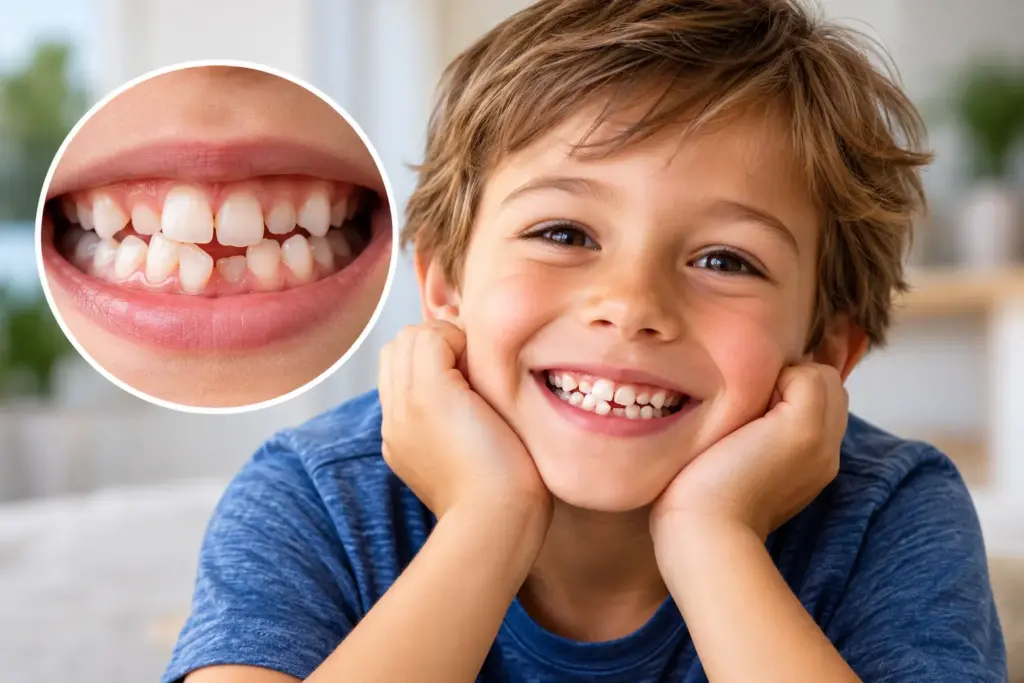
Your child loses a front baby tooth, and the permanent tooth begins coming in at an angle. A few months later, another tooth appears behind the others. Suddenly, the smile that once seemed perfectly straight looks crowded. It is easy to assume this is simply a family trait. Perhaps you needed braces as a child, […]
When Should Kids Stop Using a Pacifier?

Pacifiers can be a wonderful source of comfort during infancy. They help babies settle, satisfy their natural sucking reflex, and sometimes make difficult nights a little easier for the entire family. Yet as children grow, many parents begin asking an important question: When should we take the pacifier away? The answer involves more than choosing […]
Mouth Breathing and Jaw Development in Children

A child can have crowded teeth, an open-mouth resting posture, and difficulty breathing through the nose without those concerns being recognized as part of a larger developmental picture. Parents may notice one symptom at a time, while the relationships between breathing, muscle function, and jaw development remain unexplored. In a clinical case shared by Dr. […]
Straight Teeth Are Only Part of the Picture

When parents look at their child’s smile, the most visible concerns are usually easy to recognize. A tooth may be coming in crooked. The dental arches may look crowded. The upper and lower teeth may not meet the way a parent expected. Those observations matter. Dental alignment is an important part of oral health. In […]
How Is Your Child Breathing at Night?

A child can spend nine or ten hours in bed and still wake up tired. That can be confusing for parents. Bedtime seemed reasonable. The child stayed in bed. Nothing obvious happened overnight. Yet mornings are difficult, energy drops during the day, or teachers begin mentioning focus, mood, or behavior. Sometimes the missing information is […]
Parent Education Event: Connecting Breathing, Sleep, and Focus

Mouth breathing. Restless sleep. Crowded teeth. Trouble focusing. Parents often hear separate explanations for each of these concerns. A dentist may discuss the teeth. A pediatrician may address sleep or behavior. A teacher may notice attention problems at school. Sometimes these concerns truly are separate. In other children, they may be pieces of a larger […]
Can Sleep Problems Make ADHD Symptoms Worse in Kids?

Many parents come to MyoWay after trying to understand their child’s attention, behavior, and emotional regulation from several different directions. They may have spoken with teachers, pediatricians, therapists, or specialists. They may have tried new routines, classroom accommodations, behavior strategies, or other forms of support. Some children already have a diagnosis of attention deficit […]
Olivia’s Myofunctional Therapy Journey

Parents often ask what progress should look like during pediatric myofunctional therapy. Should their child sleep better? Should snoring decrease? Will they notice changes in energy, breathing, tongue posture, or jaw development? The answer depends on the child. Progress does not always appear in one place or follow the same timeline. At MyoWay Centers for […]
Crowded Teeth in Kids: What Parents Should Know

Crowded teeth in kids are often viewed as a future orthodontic problem. Parents may notice overlapping teeth or a permanent tooth coming in at an angle and immediately wonder about braces. However, crowded teeth can tell us more than whether a child may need orthodontic care later. They can also raise useful questions about dental […]
Why Kids Wear Myofunctional Appliances Day and Night
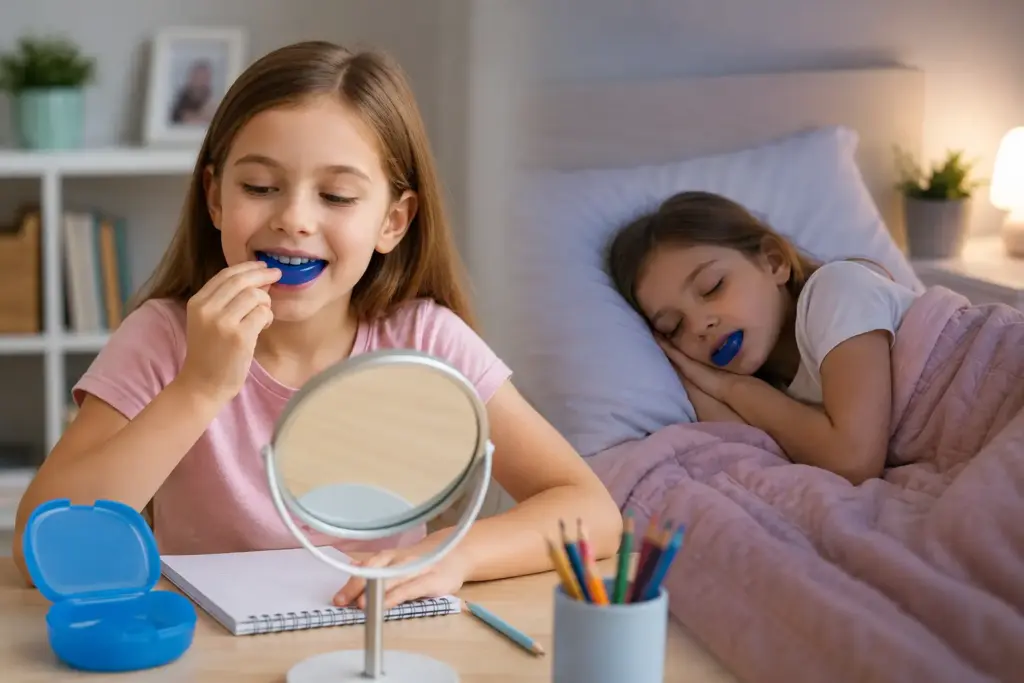
When I explain a myofunctional appliance program to parents, one of the first practical questions is often about the wear schedule. Why does a child need to use an appliance while awake and then wear it again while sleeping? If nighttime use provides support for several hours, why is daytime practice necessary? Likewise, if exercises […]