A Silent Struggle Behind School Performance
As parents, we want our children to succeed. We want to see them come home proud of their grades, confident in their learning, and thriving in their development. When that is not happening, our first instinct is to look at homework habits, tutoring, or classroom distractions but there is one area most families never think to examine: how their child is breathing.
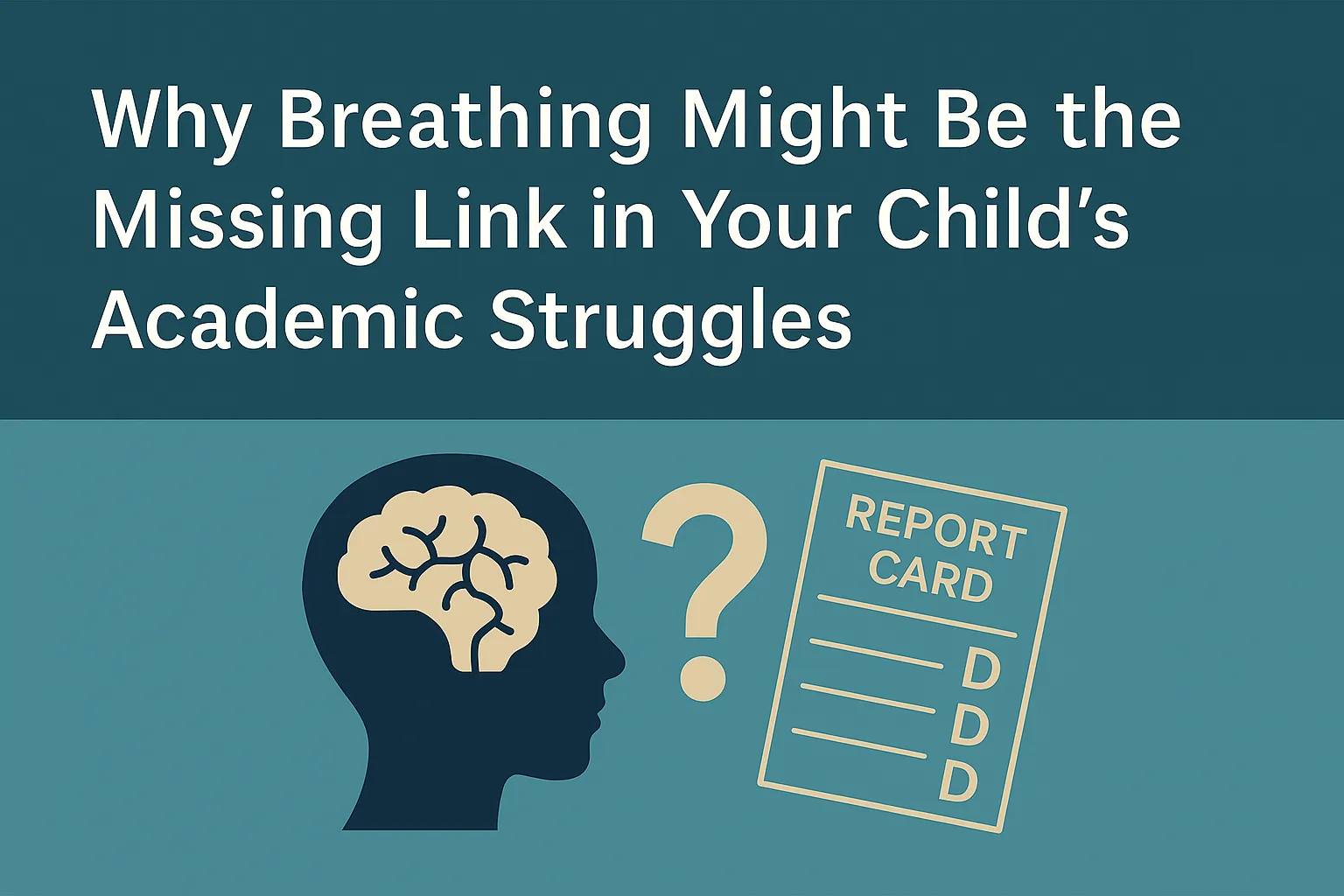
The truth is simple but often overlooked. A child who does not breathe properly cannot learn properly. That is because breathing affects the brain in ways that directly influence focus, memory, and behavior.
This is not just a wellness issue. It is an academic one.
The Hidden Role of Oxygen in Brain Development
Every cell in your child’s body needs oxygen to function, but the brain is especially sensitive to oxygen levels. Deep, restorative sleep is when the brain consolidates learning, repairs itself, and prepares for the next day. If your child’s breathing is disrupted at night, the brain may never enter the deep sleep cycles it needs.
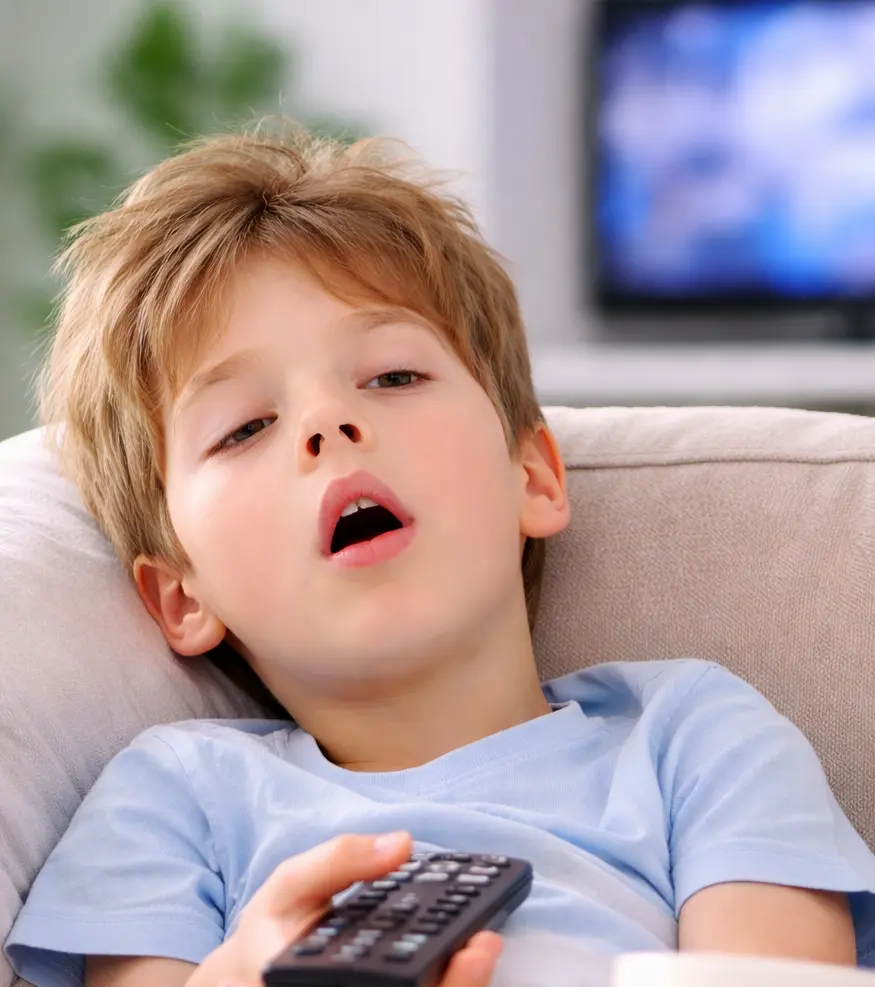
Poor oxygen during sleep is not always obvious. It can happen in children who snore, grind their teeth, breathe through their mouths, or wake up frequently. It can happen even if they are getting a full eight to ten hours in bed.
Over time, oxygen deprivation during sleep can look like:
- Inattentiveness in class
- Poor memory and recall
- Difficulty following instructions
- Hyperactivity or impulsivity
- Mood swings and frustration
- Trouble with reading or math comprehension
Many of these signs mirror what is often labeled as attention deficit or learning differences. But what if the issue is not a neurological disorder? What if the brain is simply not getting what it needs to function?
Mouth Breathing and Jaw Development
So why is your child not breathing well in the first place?
In many cases, the root cause is poor jaw and airway development. When the upper jaw does not grow forward and wide enough, it reduces the space available for the tongue and the airway behind it. This structural issue forces children to breathe through their mouths instead of their noses.
Mouth breathing is more than a habit. It changes posture, facial development, and even the way a child sleeps and speaks. It keeps the body in a low-oxygen state, especially during sleep, which puts stress on the brain and body over time.
Children who mouth breathe often have:
- Dark circles under their eyes
- Crowded or crooked teeth
- Long, narrow faces
- Forward head posture
- Dry lips and frequent thirst
- Restlessness at night
Parents may not connect these signs with school performance, but the link is clear. Breathing is the foundation of brain health.
The Impact on Learning and Behavior
Imagine trying to focus on a math problem when your brain is foggy and your body is running on low energy. That is what it feels like for children with compromised breathing. They are working twice as hard to keep up, but still falling behind.
Research has shown that children with untreated sleep-disordered breathing score lower on standardized tests and are more likely to be diagnosed with behavior concerns. Some studies have even linked sleep-related breathing issues to a higher risk of special education placement.
When breathing improves, so does brain function. Parents often notice positive changes within weeks or months of starting the right intervention.
Common improvements include:
- Better morning energy
- Increased focus and task completion
- More positive moods
- Improved reading and retention
- Reduced emotional outbursts
- Fewer classroom complaints from teachers
These are not small changes. They are life-changing outcomes for families who have struggled to find answers.
Why Early Intervention Matters
Waiting for things to improve on their own is not always the best option. The earlier jaw and airway issues are identified, the more effective and gentle the solutions can be.
At MyoWay, we believe in starting early, before the need for invasive orthodontics or long-term medication. Our program uses a combination of medical-grade appliances and the world’s first myofunctional exerciser appliance designed specifically for children.
This supports natural jaw growth, improves nasal breathing, and promotes deep, restful sleep.
Early intervention means:
- No waiting until adolescence for braces
- Less need for tooth extractions or surgery
- Better alignment of facial structure and bite
- Improved breathing patterns from a young age
- Greater academic and behavioral resilience
The goal is not just straight teeth. It is a strong, well-developed airway and a thriving child.
What Is Pediatric Myofunctional Therapy?
Pediatric myofunctional therapy is a structured program that targets the muscles of the face, tongue, and jaw. These exercises help train the body to breathe through the nose, rest the tongue in the right position, and swallow properly. Combined with expansion appliances, the therapy supports the growth of a healthy airway.
At MyoWay, therapy is individualized, non-invasive, and designed to integrate into daily life. It is not about fixing one symptom. It is about addressing the root of several interconnected issues.
Some families come to us because of sleep concerns. Others because of orthodontic referrals. But many come simply because something feels off, and they want to understand what is going on below the surface. That is exactly what we help uncover.
A Realignment of Priorities in Child Development
For years, families have been told to focus on reading strategies, discipline methods, and attention checklists. These are valuable tools, but they should not be the starting point.
Before a child can concentrate, they must have the energy to focus.
Before they can follow instructions, their brain must be rested and oxygenated.
Before they can behave calmly, their nervous system must be regulated.
And before any of this happens, they must be able to breathe well.
At MyoWay, we are helping families shift the conversation from performance to physiology. From surface behaviors to root function. From coping to thriving.
Is Your Child Struggling? Trust Your Instincts
No one knows your child better than you do. If you feel like something is off, even if no one else sees it, that is worth exploring.
Look for the signs. Snoring. Restless sleep. Dry mouth. Poor focus. Behavioral changes. Frequent frustration with schoolwork. These are not random. They are clues.
The good news is that there is something you can do. You do not have to wait. You do not have to guess. And you do not have to do it alone. Our team is here to help you understand what is happening with your child’s breathing, growth, and development. Together, we can build a plan that supports their health, sleep, and learning for the long term.
Breathing Better Is Learning Better
We often talk about education in terms of effort. Try harder. Focus more. Pay attention. But what if the most important thing your child needs is not effort at all? What if they need oxygen? Breathing is not just about survival. It is about how your child grows, thinks, and thrives.If your child is struggling, consider this: it might not be their attitude or ability. It might be their airway.
Let us help you find out.
Book your free consultation in under 5 minutes.
https://mychart.myoryx.com/patient/#/auth/onlineschedule?realm=myoway&univers=com