
When you hear the phrase “early intervention,” what comes to mind? For many parents, it sounds like aggressive treatment, surgery, or braces on baby teeth. This misunderstanding leads to delays in care that could make a big difference during key developmental years.
At MyoWay Centers for Kids, early intervention is something very different. It is gentle, effective, and based on the natural biology of your child’s growth. This article explains what early airway and jaw intervention really means, why it matters, and how it can support your child’s overall health, especially when guided by pediatric myofunctional therapy.
Why Early Does Not Mean Extreme
Many parents are told to wait. They are advised that things like snoring, mouth breathing, and crooked baby teeth are nothing to worry about. The child will grow out of it or braces will fix it later.
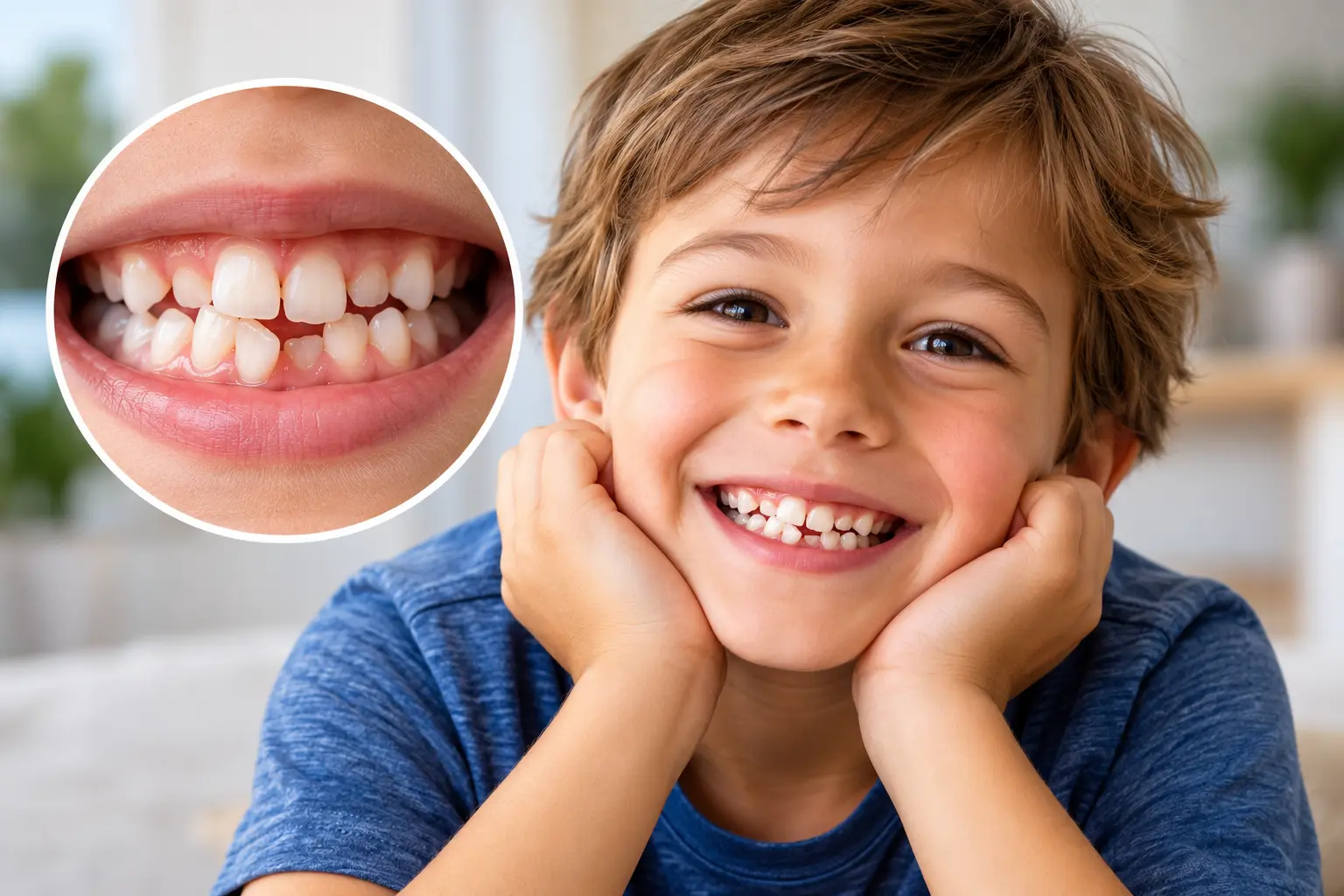
The truth is, these are not cosmetic issues. They are often signs of underdeveloped airways and dysfunctional breathing patterns.
Early does not mean invasive. It means acting at the most effective time—while your child is still growing and development is most responsive.
What Is Pediatric Myofunctional Therapy?
Pediatric myofunctional therapy is a noninvasive, exercise-based treatment that helps children develop healthy breathing, swallowing, and tongue posture habits.
At MyoWay, we combine myofunctional therapy with medical-grade appliances that support jaw growth and nasal breathing. This airway-first approach helps prevent many of the conditions parents only discover after years of struggle, such as:
-
Sleep-disordered breathing
-
Chronic mouth breathing
-
Delayed speech or articulation issues
-
Orthodontic relapse after braces
-
Behavioral and attention challenges
The goal is not to treat symptoms—it is to change the function that causes them.
Why Airway and Jaw Development Matters
Children do not just grow taller as they age. Their facial structure, jaw alignment, and airway shape are also developing.
If the jaw grows too narrow or too far back, the airway becomes restricted. A small or collapsed airway can make it harder for a child to breathe properly, especially at night. This is when we see:
-
Snoring or restless sleep
-
Nighttime mouth breathing
-
Teeth grinding
-
Frequent waking
-
Daytime fatigue
-
Difficulty focusing
-
Emotional dysregulation
These symptoms are often dismissed or misdiagnosed, even though the root issue is structural. This is why early airway intervention matters—it addresses function before dysfunction becomes permanent.
When Is the Best Time to Start?
The best time to begin airway-focused evaluation is during early childhood. Ideally, around ages three to eight, when growth plates are open and oral habits are still forming.
Many families come to MyoWay after their child has been referred for ADHD testing or after orthodontic problems have already developed. While treatment can still help at that stage, it is often more complex.
Early means timely. It means working with your child’s growth, not trying to correct years of compensation.
Common Signs Your Child May Benefit from Early Intervention
You do not need a referral or a diagnosis to seek out an airway assessment. Parents often notice subtle signs that something is off. These include:
-
Mouth breathing during the day or night
-
Snoring or noisy breathing
-
Trouble falling or staying asleep
-
Waking up tired despite enough hours in bed
-
Bedwetting past age five
-
Speech delays or articulation concerns
-
Crowded baby teeth
-
Teeth grinding at night
-
Mood swings or irritability
-
Trouble paying attention in school
If your child shows more than one of these symptoms, an airway evaluation may help identify underlying structural or functional concerns.
The MyoWay Approach to Early Intervention
MyoWay offers a structured, supportive program that includes:
Medical-Grade Appliances
We use growth guidance appliances that encourage the jaw to develop forward and wide, promoting proper tongue posture and airway space.
Myofunctional Exercises
Children are guided through playful, age-appropriate exercises that retrain the way they breathe, chew, and swallow.
Family-Centered Education
We help parents understand what to watch for and how to support healthy oral habits at home.
Collaborative Care
We often work with pediatricians, ENTs, speech-language pathologists, and dentists to ensure your child receives comprehensive care.
This integrated model helps reduce the need for extensive orthodontics, medications, or surgical intervention later in life.
What to Expect During a Consultation
Your child’s first visit to MyoWay is a no-pressure opportunity to learn more.
We start with a comprehensive health history and behavioral screening, followed by a physical assessment of your child’s jaw, tongue posture, and breathing patterns.
If early myofunctional therapy is recommended, we walk you through the plan step-by-step. Everything is explained in plain language so you feel confident and informed.
There is no commitment required—just an opportunity to understand your child’s needs more clearly.
The Risk of Waiting
Delaying airway-focused care can lead to years of preventable problems. These might include:
-
Prolonged orthodontic treatment
-
Sleep disturbances and fatigue
-
Medication for symptoms that are structural in origin
-
Behavioral labels that miss the root cause
-
Anxiety or emotional regulation challenges
You do not need to wait for a diagnosis or major concern. Intervention is most powerful when it is proactive.
Supporting Healthy Growth from the Inside Out
At MyoWay, we believe in helping children grow in alignment with their natural biology. Early intervention means catching concerns while they are small and guiding growth in a way that supports long-term health.
Your child’s ability to breathe, sleep, and focus should not be left to chance. Start with awareness. Follow with gentle action. Early intervention is not a reaction to a crisis. It is a smart, gentle way to guide your child’s growth before more serious issues develop. By focusing on airway and jaw development through pediatric myofunctional therapy, you give your child the tools to thrive in sleep, school, and life.
Book your free consultation in under 5 minutes. https://mychart.myoryx.com/patient/#/auth/onlineschedule?realm=myoway&univers=com
Frequently Asked Questions
What age is best to start myofunctional therapy?
The ideal age to begin pediatric myofunctional therapy is between three and eight years old. This is when facial bones are still growing and habits are easier to retrain.
Can early airway therapy prevent braces?
In many cases, early airway-focused intervention reduces the need for extensive orthodontic treatment later. By guiding proper jaw development, the need for braces is minimized or shortened.
Is mouth breathing in kids normal?
Mouth breathing is common but not normal. It often indicates an airway restriction or dysfunctional habit and can negatively affect sleep, focus, and jaw development.
What is the difference between myofunctional therapy and orthodontics?
Orthodontics focuses on moving teeth. Myofunctional therapy addresses the muscles and habits that shape how the jaw and airway develop, which supports more stable and healthy outcomes.
Does insurance cover myofunctional therapy?
Coverage depends on your provider and plan. Some medical or dental insurance plans may cover part of the evaluation or therapy. We can help you explore your options during your consultation.