Myofunctional therapy for children focuses on correcting oral muscle function to support proper breathing, jaw growth, and healthy development. By addressing habits early, this therapy helps set the foundation for better sleep, focus, and long-term wellness.
How is MyoWay different from an orthodontist?
It’s a great question—and one that highlights the growing awareness of the importance of jaw and airway development in children.
While orthodontists play a vital role in aligning teeth and improving dental aesthetics, MyoWay Center for Kids takes a different, yet complementary, approach. We focus on myofunctional therapy, targeting the muscles and function of the jaw, tongue, and airway to ensure children grow, breathe, and thrive naturally.
We’re Not Orthodontics—We’re Something More
Let’s be clear: MyoWay is not an orthodontic clinic.
Orthodontics focuses on the alignment of teeth—a crucial part of oral health, but it’s often reactive rather than proactive. MyoWay’s approach begins earlier, aiming to guide jaw and airway growth before significant misalignment occurs. Our focus is function first: how a child breathes, swallows, and rests their tongue all impact how their face and jaw develop.
By supporting the muscles and posture involved in breathing and growth, we lay the foundation that orthodontists can later fine-tune.
What Makes MyoWay Unique?
✅ FDA-Approved, Patented Appliances
Our appliances are designed to be worn for just one hour a day and overnight during sleep. They gently guide the development of the jaw and airway using light, consistent pressure—encouraging healthy, natural growth during a child’s most critical developmental years.
✅ Focus on Airway Health
Good breathing = good health. Our therapy addresses nasal breathing, tongue posture, and airway function, which are often overlooked in traditional orthodontic care. This not only affects facial development, but also impacts sleep, focus, and behavior.
✅ We Complement Orthodontists, Not Compete
Think of us as partners in your child’s health journey. Our therapy sets the stage for more effective orthodontic treatment if needed down the line—and in many cases, can reduce or eliminate the need for braces altogether.
Why Function Comes First
Proper function of the oral and facial muscles is essential for long-term health. Mouth breathing, low tongue posture, and improper swallowing patterns can lead to:
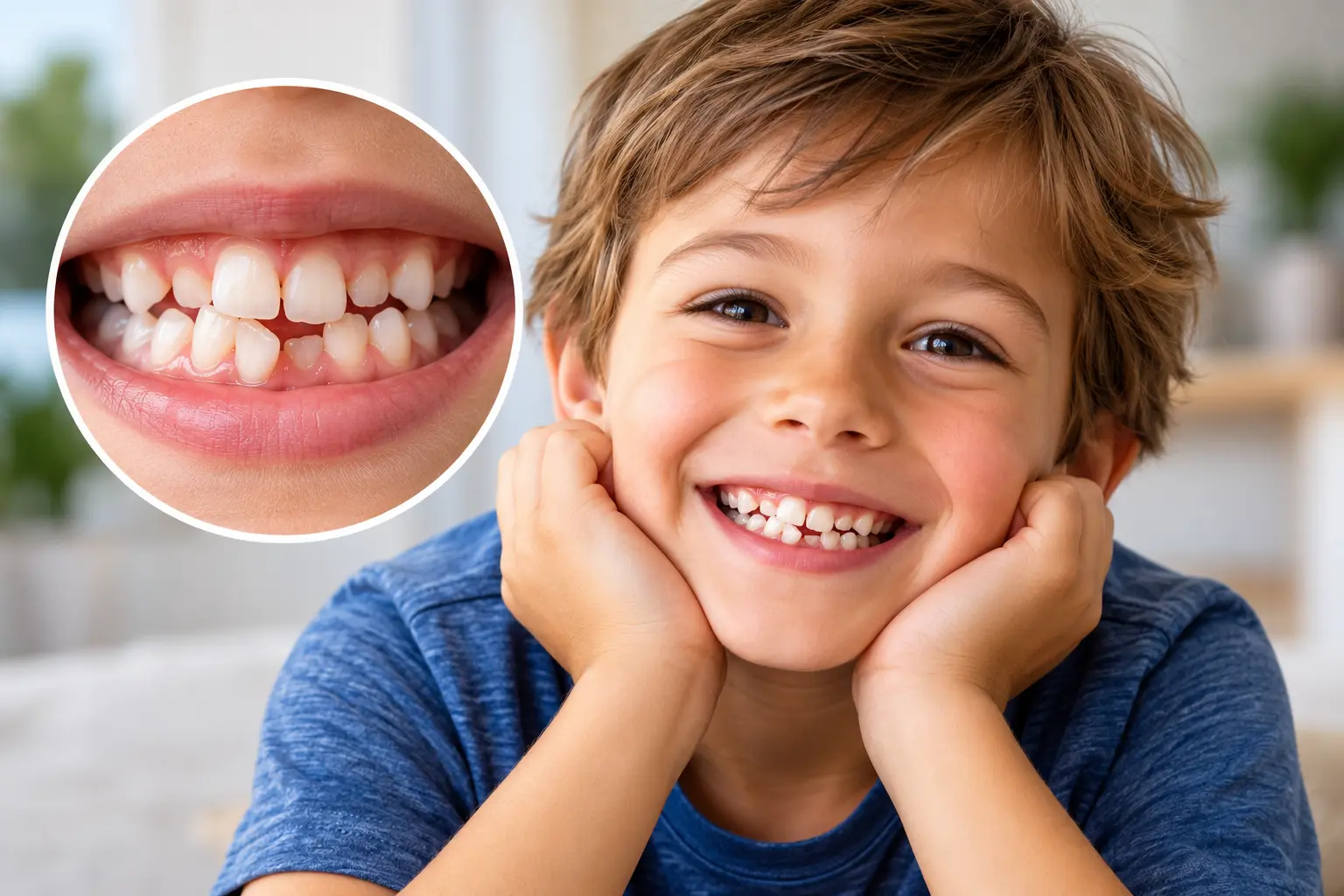
- Narrowed jaws and crowded teeth
- Restless sleep or snoring
- Behavioral challenges or reduced focus
- Higher risk of sleep-disordered breathing
By addressing the root cause early, we help children grow into strong, confident, and healthy individuals.
Final Thoughts: A Holistic, Child-First Approach
At MyoWay, we believe in treating the whole child, not just the smile. Our mission is to empower children to breathe, sleep, and live better through early, functional intervention.
So when you ask, “How is MyoWay different from orthodontics?”, the answer is simple:
We’re focused on function first, form second—and when done right, both come together beautifully.