Many parents are searching for solutions to help their child sleep better.
Products like the Myo-Nozzle are gaining attention as breathing aids designed to promote nasal breathing and reduce snoring. While they can be helpful, they are not the full solution. If your child struggles with mouth breathing, snoring, or restless sleep, the root issue might be how their jaw and airway are developing.
What is the Myo-Nozzle?
The Myo-Nozzle is a small breathing tool that helps encourage nasal breathing by gently training users to keep their mouth closed. It can be a helpful accessory for older children and adults who are working to build better breathing habits.
As a dentist, myofunctional therapist, and certified Buteyko instructor, I often recommend it as a supporting tool. However, accessories like this only address the symptoms, not the cause.
The Real Problem Is Structural
Many children today have underdeveloped jaws and narrow palates. This physical limitation can lead to restricted airways, which causes the body to default to mouth breathing.
Common signs of airway restriction include:
- Crowded baby teeth
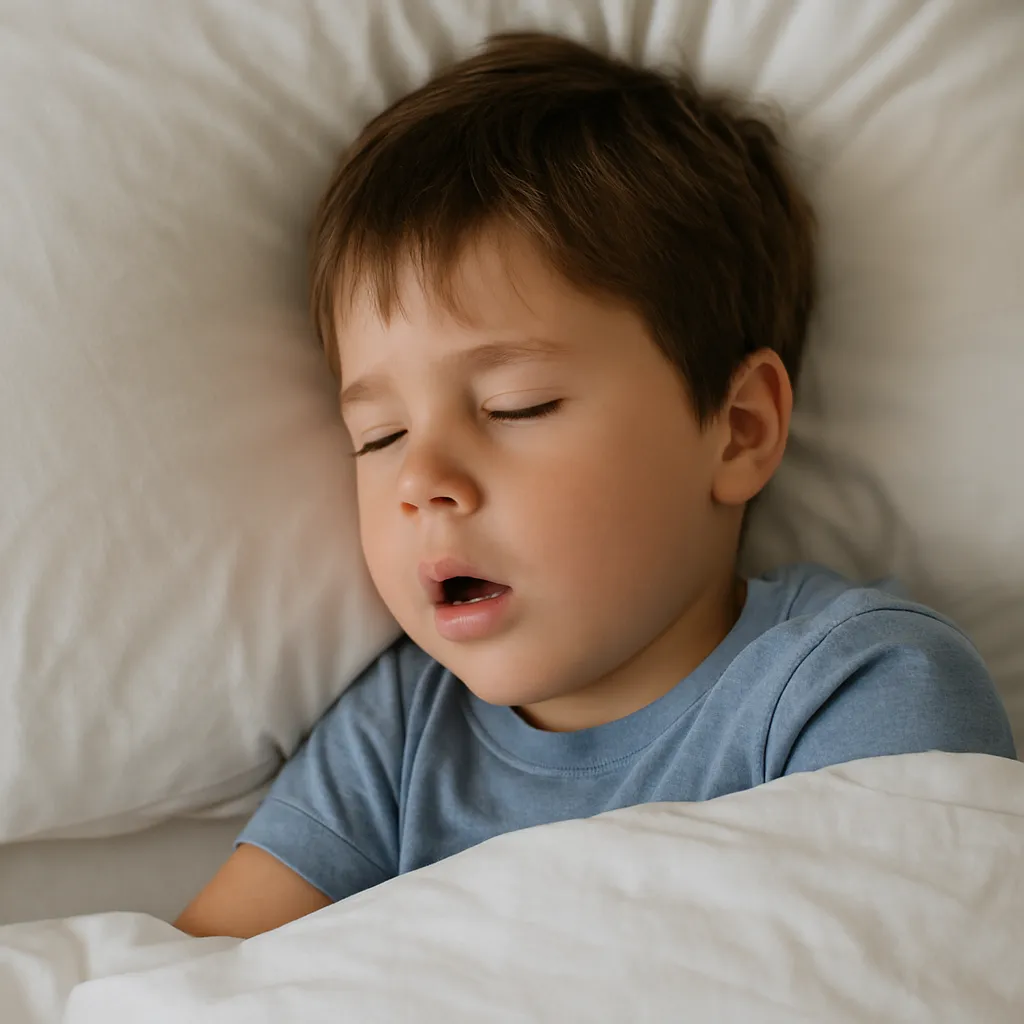
- Snoring or noisy breathing during sleep
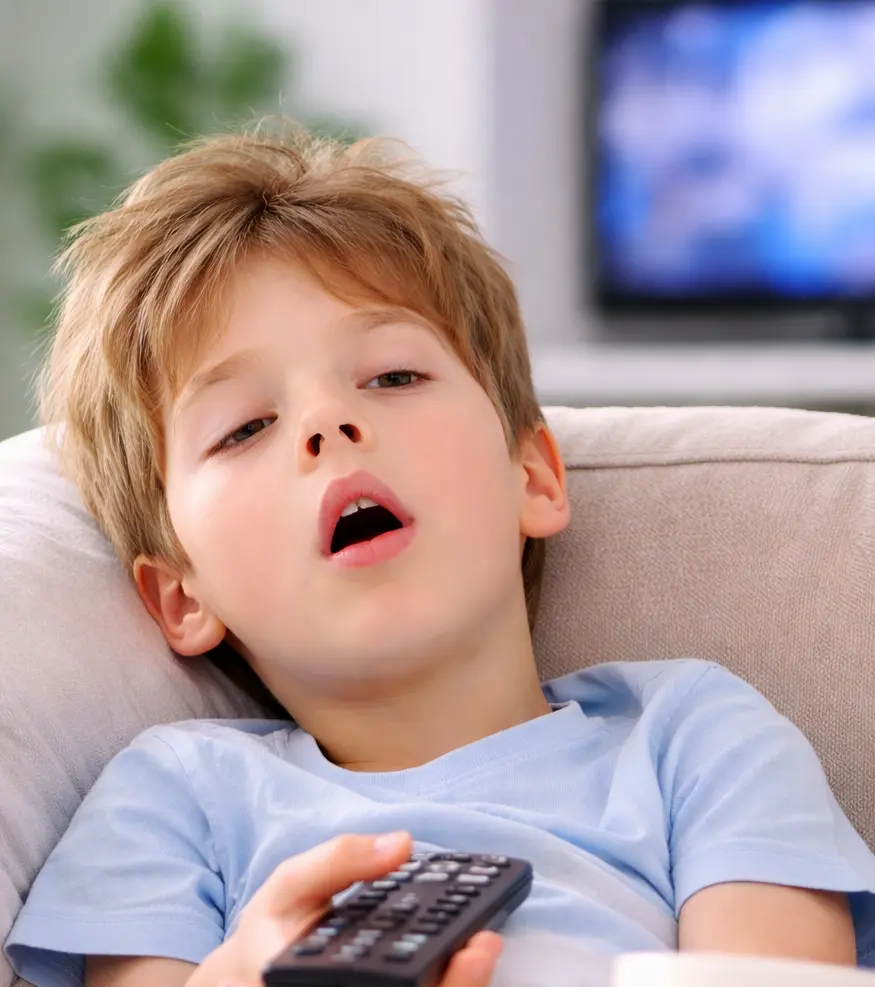
- Open mouth posture during the day
- Daytime fatigue
- Hyperactivity or difficulty concentrating
These symptoms often lead to misdiagnosis of behavioral or attention disorders. The core issue, however, is often mechanical: the airway is simply not large enough.
Early Jaw and Airway Development Changes Everything
The earlier we intervene, the better the outcomes.
Guiding proper jaw and airway development from as early as age two can:
- Encourage healthy facial growth
- Support deep, restorative sleep
- Reduce behavioral and focus-related concerns
- Improve nasal breathing
- Prevent orthodontic complications later
Early treatment is about more than appearance. It supports the body’s ability to breathe, grow, and heal properly.
Why Tools Alone Are Not Enough
The Myo-Nozzle can support habit change, but it does not change the shape of the jaw or open the airway. It works well as part of a comprehensive program, but should not be viewed as a standalone solution.
When the foundation is weak, tools cannot make up the difference. At MyoWay, we believe in addressing growth at the source — through airway-first, function-focused therapy.
How Pediatric Myofunctional Therapy Works
Our therapy process combines:
- Medical-grade oral appliances
- Myofunctional exercises
- Tongue posture training
- Breathing retraining
- Ongoing support and tracking
This integrated approach does not just improve breathing. It helps children grow into healthier, more resilient versions of themselves.
We work closely with families to monitor results, adjust treatment, and ensure long-term progress.
What Happens When We Wait?
Delaying treatment can lead to:
- Worsening mouth breathing
- Long-term orthodontic issues
- Speech problems
- Sleep apnea in adolescence or adulthood
- Learning delays and emotional challenges
Braces may straighten teeth, but they cannot correct underdeveloped jaws. If airway growth is not addressed early, symptoms may persist or return later in life.
Real-Life Changes Start with Early Action
We have seen dramatic transformations in children who were once struggling.
Parents have reported improvements in:
- Sleep quality
- Daytime behavior
- Academic performance
- Confidence and self-esteem
In many cases, families had been told to wait for braces. Instead, they found answers in early airway therapy — and avoided more invasive procedures later on.
What Should You Watch For?
Parents should pay attention to signs like:
- Snoring or restless sleep
- Open-mouth breathing
- Teeth grinding
- Crowded baby teeth
- Difficulty focusing
- Speech delays
These may all point to airway issues that can be corrected early.
The Role of a Pediatric Dentist and Therapist
As a provider trained in myofunctional therapy and airway health, I view the mouth as the gateway to full-body wellness. Our work is not about cosmetic alignment. It is about improving how a child breathes, sleeps, and functions every day.
MyoWay offers a full evaluation of jaw development, airway space, and oral function. From there, we build a personalized program to support growth at the root level.
Tools Help, Growth Heals
The Myo-Nozzle and similar devices can provide short-term support. However, they are not designed to change growth patterns or fix structural problems.
If you want lasting results for your child’s sleep and breathing, early intervention is essential.
At MyoWay, we help children thrive by supporting the airway and jaw from the very beginning. You do not need to wait until problems get worse to take action.
Book your free consultation in under 5 minutes.
https://mychart.myoryx.com/patient/#/auth/onlineschedule?realm=myoway&univers=com