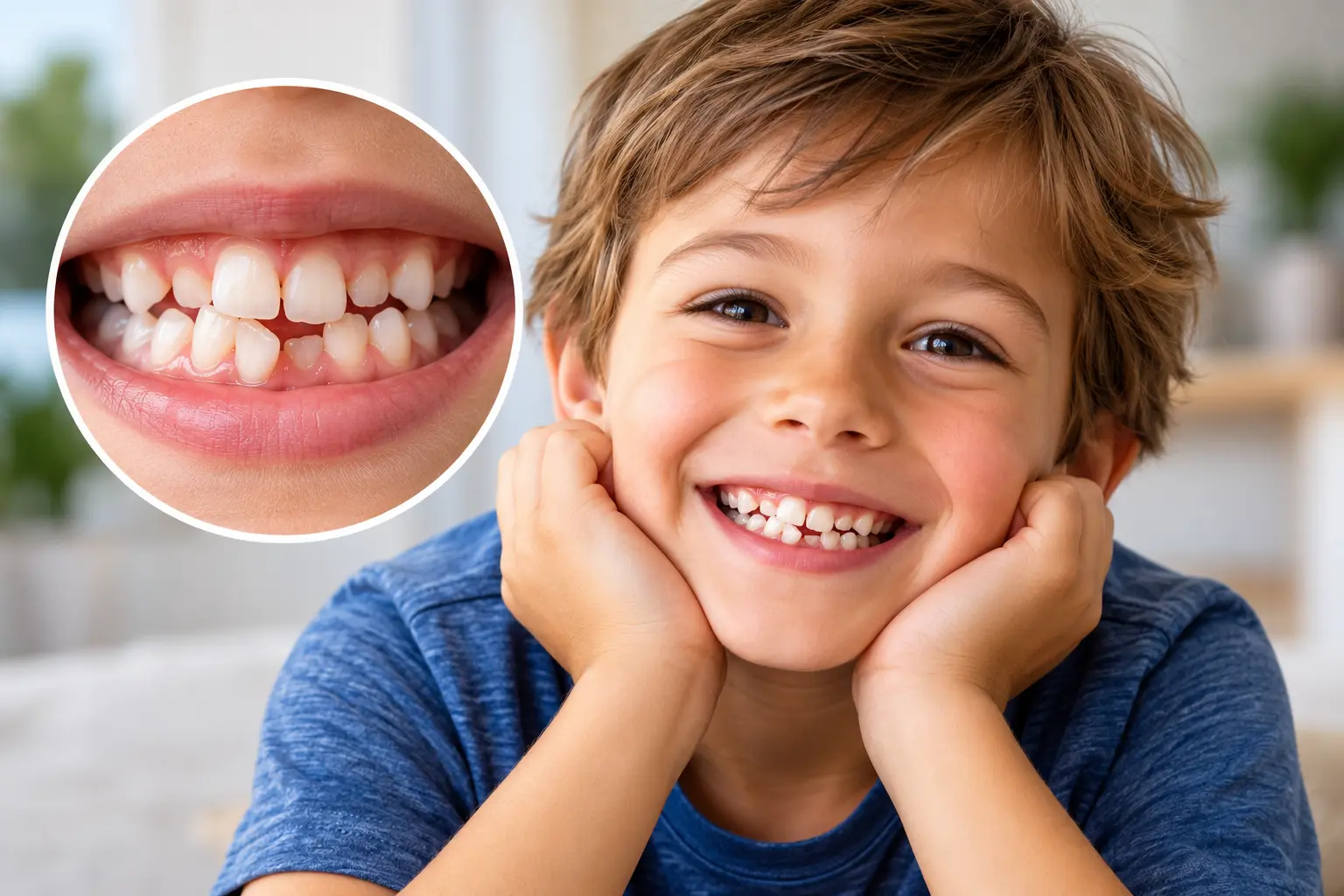

Autism mouth breathing is a commonly overlooked issue that can affect sleep quality, behavior, sensory regulation, and oral health in individuals on the autism spectrum. When breathing occurs through the mouth instead of the nose, it may intensify challenges related to anxiety, attention, and communication. Understanding the connection between autism and mouth breathing is an important step toward supporting healthier breathing patterns and overall well-being
What is Autism Spectrum Disorder (ASD)?
Autism Spectrum Disorder (ASD) is a neurodevelopmental condition characterized by a range of challenges in social communication, behavioral flexibility, and sensory processing. Each individual with ASD exhibits unique strengths and challenges, often leading to difficulties in daily functioning. One less frequently discussed but important topic is the impact of mouth breathing on individuals with ASD and how it may exacerbate certain symptoms.
What is Mouth Breathing?
Mouth breathing is the act of inhaling and exhaling through the mouth instead of the nose. This can occur due to various factors, including nasal congestion, allergies, anatomical variations (such as a deviated septum), or poor oral habits. Mouth breathing can lead to several physical and behavioral issues, particularly for individuals with ASD.
Potential Effects of Mouth Breathing on Individuals with ASD
1. Sleep Disturbances:
Mouth breathing is often associated with disrupted sleep patterns, including snoring and sleep apnea. Poor sleep quality can exacerbate the symptoms of ASD, such as irritability, anxiety, and attention difficulties.
2. Increased Anxiety and Stress:
The physiological effects of mouth breathing, which can lead to hyperventilation and a feeling of breathlessness, may increase anxiety levels. Individuals with ASD often experience heightened anxiety, and mouth breathing may intensify these feelings, making it harder to manage social situations.
3. Oral Health Issues:
Mouth breathing can lead to dry mouth, which increases the risk of dental problems like cavities and gum disease. Poor dental health can cause discomfort and pain, further complicating communication issues or behavioral challenges for individuals with ASD.
4. Impaired Social Interactions:
Mouth breathing can affect speech clarity and resonance, leading to difficulties in communication. This may make social interactions even more challenging for individuals with ASD, who often already struggle with communication and social cues.
5. Facial Development and Posture:
Prolonged mouth breathing can influence facial structure and dental alignment. Changes in facial development may affect self-esteem and body image, further impacting social interactions.
6. Sensory Processing Issues:
Many individuals with ASD have sensory processing challenges. Mouth breathing might exacerbate these issues, as it alters airflow and sensory input. Individuals may become more sensitive to stimuli or experience increased sensory overload.
Addressing Mouth Breathing in Individuals with ASD
Understanding the implications of mouth breathing is crucial for caregivers and professionals. Here are some strategies to help address this issue:
1. Consultation with Healthcare Professionals:
– Engage with a Myofunctional Therapist (MFT), ENT specialists, dentists, or orthodontists who are familiar with ASD. They can assess the underlying causes of mouth breathing and provide tailored interventions.
2. Nasal Breathing Techniques:
– Encourage exercises that promote nasal breathing, especially during calm moments. Techniques such as diaphragmatic breathing and slow inhalation through the nose can help retrain breath patterns.
3. Address Allergies and Nasal Congestion:
– Identify and manage any allergies or respiratory issues that may contribute to mouth breathing. This may involve lifestyle changes or medical treatments to alleviate nasal congestion.
4. Behavioral Interventions:
– Use visual schedules, social stories, or positive reinforcement to encourage consistent nasal breathing habits. Making mouth closing a part of a daily routine can promote awareness.
5. Oral Health Care:
– Support regular dental visits and good oral hygiene practices to mitigate the dental issues that can arise from mouth breathing. Dental professionals can provide guidance on proper oral care.
6. Breathing Exercises:
– Implement fun and engaging respiratory exercises or games that highlight the importance of nasal breathing. These can encourage practice in a non-demanding way.
Conclusion
Mouth breathing can pose significant challenges for individuals with Autism Spectrum Disorder, potentially worsening various symptoms associated with the condition. By understanding these connections and taking proactive steps, caregivers and healthcare professionals can help implement strategies to address mouth breathing. Promoting proper breathing techniques and holistic health measures not only fosters better physical health but also enhances overall well-being and quality of life for individuals with ASD. Encouraging an environment that prioritizes both physical and emotional health can empower individuals on the autism spectrum to thrive.