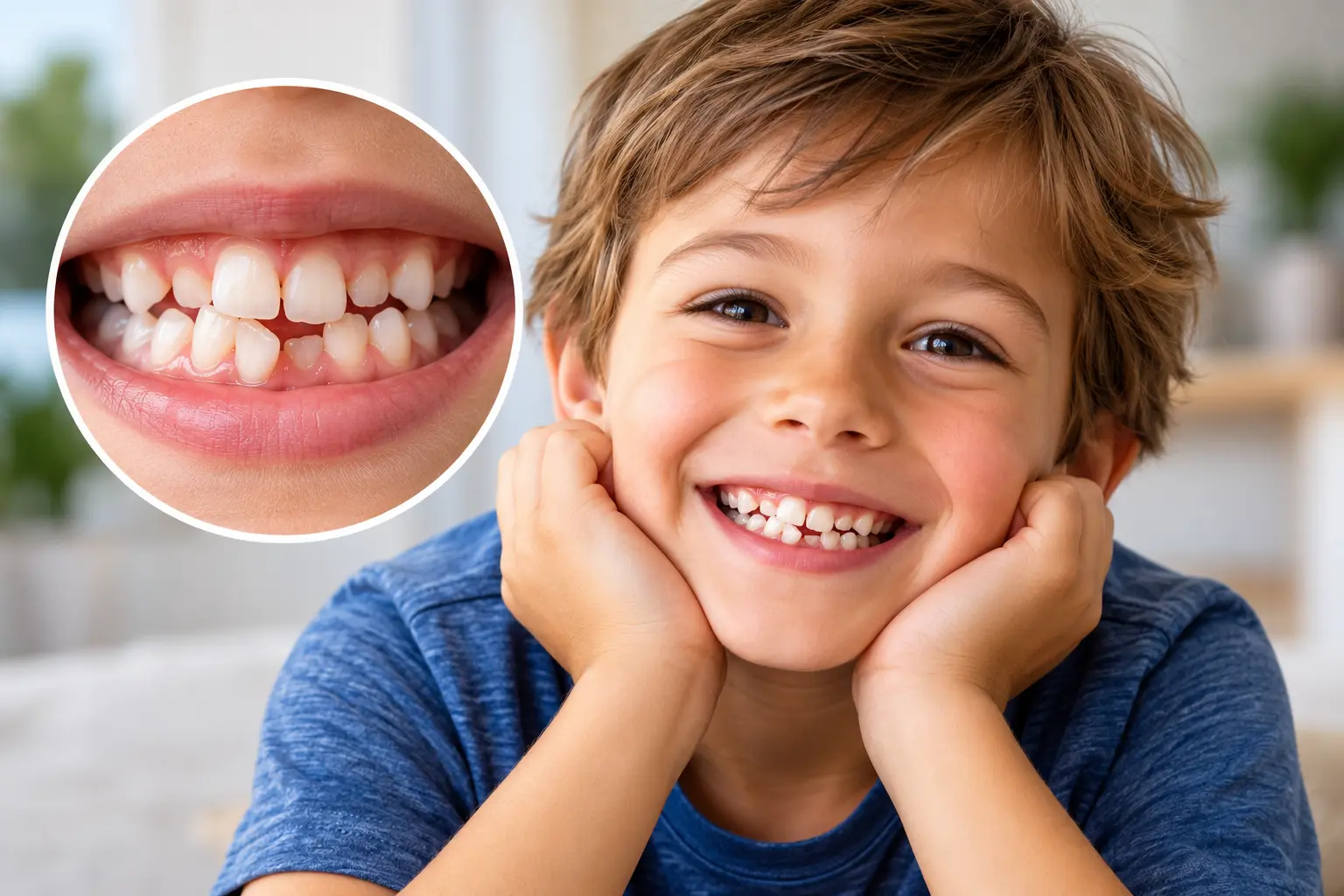

Did you know that by the time your child turns six years old, sixty percent of their facial structure is already formed? Even more importantly, the most rapid jaw and airway development occurs in the first two years of life. These early years are critical in setting the foundation for lifelong health, including breathing, sleep quality, and cognitive development.
At MyoWay Center for Kids, we are dedicated to educating and empowering parents to support their child’s orofacial growth during this crucial time.
How Early Habits Shape Lifelong Health
Every feeding tool, pacifier, and sleep position introduced in infancy plays a role in shaping how a child’s face and airway develop.
These early influences can have a lasting impact on health and development.
Key factors include:
- Breathing patterns: Infants who develop a habit of breathing through their mouths may be more likely to experience sleep challenges, speech issues, and poor facial growth.
- Feeding techniques: Bottles with non-physiological nipples may fail to stimulate the orofacial muscles needed for proper jaw growth and tongue function.
- Pacifier design and duration: Prolonged use of poorly designed pacifiers can interfere with tongue posture, jaw alignment, and palate formation.
During the first two years, the bones of the face are especially adaptable. This makes it essential for parents to choose tools and practices that encourage natural, healthy development.
The MyoWay Difference: Proactive Early Care
MyoWay Center for Kids specializes in early intervention strategies that focus on optimal facial and airway development in infants and toddlers. Our structured programs help promote:
- Nasal breathing from infancy
- Balanced jaw and facial development
- Proper tongue posture
- Healthy sleep patterns and feeding habits
We utilize proven therapeutic exercises and the world’s first myofunctional appliance for young children to gently guide their development. Our goal is to prevent common issues such as snoring, behavioral concerns, and the need for braces in later years.
The Long-Term Benefits of Early Intervention
When facial growth is supported early, children are more likely to enjoy better health outcomes across multiple areas.
Benefits include:
- Reduced risk of sleep disordered breathing
- Better cognitive performance and emotional regulation
- Decreased need for orthodontic treatments
- Improved speech clarity and feeding efficiency
Addressing these factors early helps support your child’s natural growth rather than waiting to correct problems later.
Take Action Today for a Healthier Tomorrow
If your child is under two years old, this is the ideal time to assess their jaw and airway development. Whether you are concerned about mouth breathing or want guidance on proper feeding tools, MyoWay is here to help.
Schedule a free consultation today and give your child the best start possible.
Visit https://mychart.myoryx.com/patient/#/auth/onlineschedule?realm=myoway&univers=com