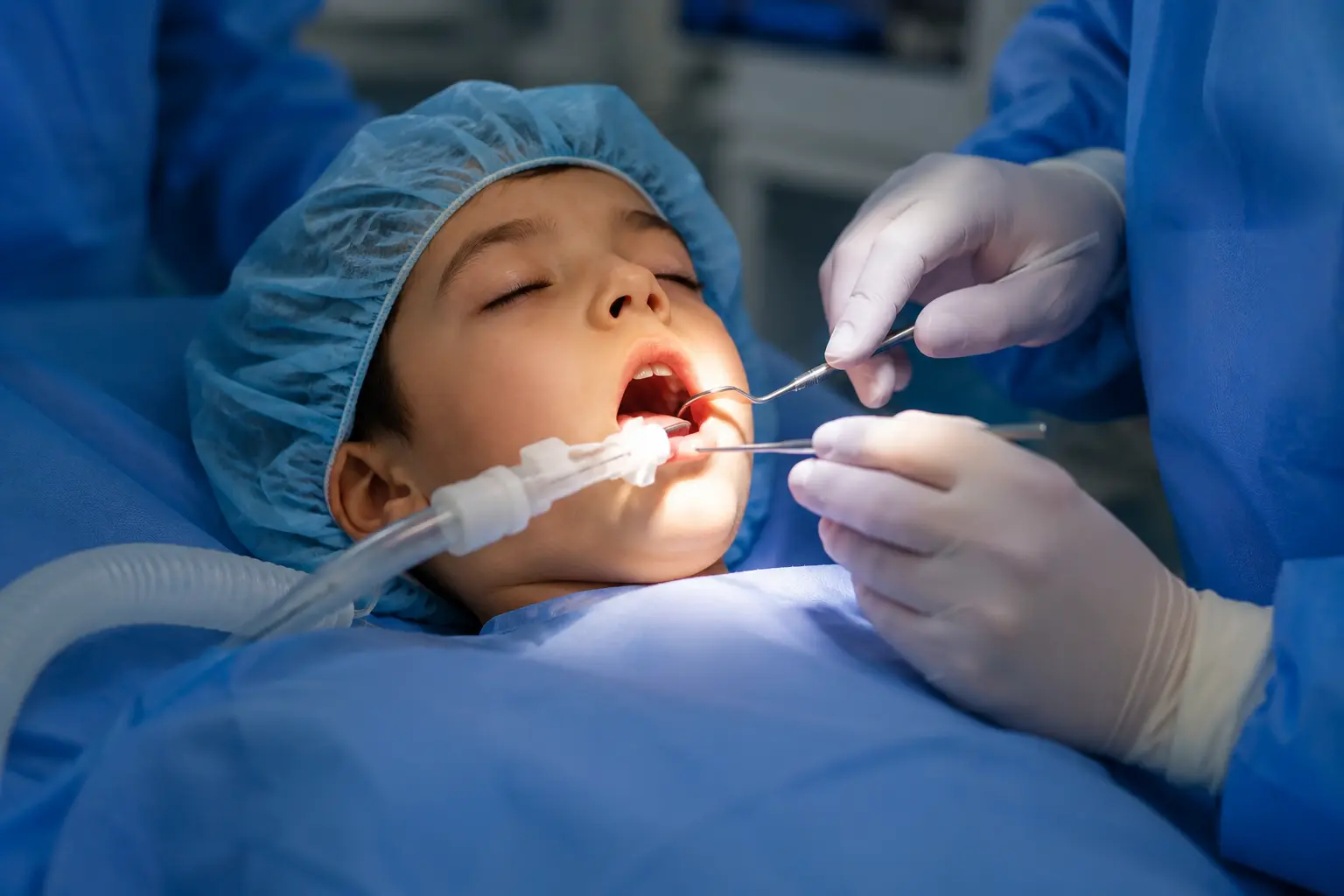
Many parents feel hopeful when their child gets scheduled for tonsil or adenoid removal. They have watched their child snore, breathe through the mouth, toss and turn at night, wake up tired, or struggle with focus during the day. After months, or even years, of concern, the procedure can feel like the answer they have been waiting for.
For many children, removing enlarged tonsils or adenoids can make a meaningful difference. Breathing may become easier. Sleep may become quieter. Parents may notice better energy, fewer nighttime struggles, and improved mood.
Some families, however, do not see the full change they expected. The procedure happens. The healing period passes. Their child still snores, sleeps with an open mouth, wakes up tired, or seems restless during the day.
This can feel frustrating. Parents often believed the procedure would solve the entire problem. In reality, tonsils and adenoids represent only one part of a much larger airway and growth picture. Sleep and breathing also depend on oral posture, tongue function, nasal breathing habits, jaw development, and facial growth.
At MyoWay Centers for Kids, we help families look beyond one symptom. Our approach helps parents understand how airway development, oral function, and sleep may connect.
Why Symptoms May Continue After Surgery
Tonsils and adenoids sit in areas that can affect airflow, especially during sleep. When these tissues become enlarged, they may narrow the airway. In the right cases, removal can create more space and support easier breathing.
Airway health, however, involves more than space. It also depends on function.
A child may gain more room to breathe after surgery and still keep the same breathing patterns that developed before the procedure. A child who has mouth breathed for years may not automatically switch to nasal breathing. A tongue that rests low in the mouth may not naturally move to the roof of the mouth. Narrow or underdeveloped jaws may still limit room for the tongue, teeth, and airway.
Surgery can help one part of the problem without addressing everything. It may reduce a physical blockage, yet the child may still need support with muscle patterns, oral posture, and breathing habits.
The Role of Mouth Breathing
Mouth breathing deserves attention after tonsil or adenoid removal. Many people describe it as a habit, but in children it often reflects a deeper functional pattern.
A child may breathe through the mouth because nasal breathing feels difficult. The lips may not seal comfortably. The tongue may rest low. The upper jaw may be narrow. Over time, mouth breathing can become the body’s default pattern.
After surgery, the child may have a better chance to breathe through the nose. That does not mean the body will make the change on its own.
Healthy oral rest posture usually includes closed lips, nasal breathing, and the tongue resting gently on the roof of the mouth. When a child does not have this posture, mouth breathing may continue even after the airway has more space.
Pediatric myofunctional therapy can help support these patterns. Therapy focuses on nasal breathing, lip seal, tongue posture, swallowing, and oral function.
Why Tongue Posture Matters
The tongue plays an important role in oral development, airway support, swallowing, and facial growth. At rest, the tongue should sit comfortably against the roof of the mouth. This position helps support healthy upper jaw development and proper oral function.
Low tongue posture can contribute to open mouth posture, mouth breathing, altered swallowing patterns, crowded teeth, and reduced support for jaw growth. Some children develop low tongue posture after years of mouth breathing. Others have tongue dysfunction, restricted tongue mobility, or oral habits that affect how the tongue rests and moves.
When care does not address tongue posture, a child may continue to struggle after tonsil or adenoid removal. Parents may still notice open mouth sleep, tongue thrust swallowing, messy eating, speech concerns, or restless sleep.
These signs may look separate at first. Often, they belong to the same larger pattern of oral function and airway development.
Jaw Development and the Airway
A child’s jaws help shape the airway. When the upper or lower jaw does not develop enough space, the tongue and teeth may have less room. A narrow upper jaw can also affect nasal breathing.
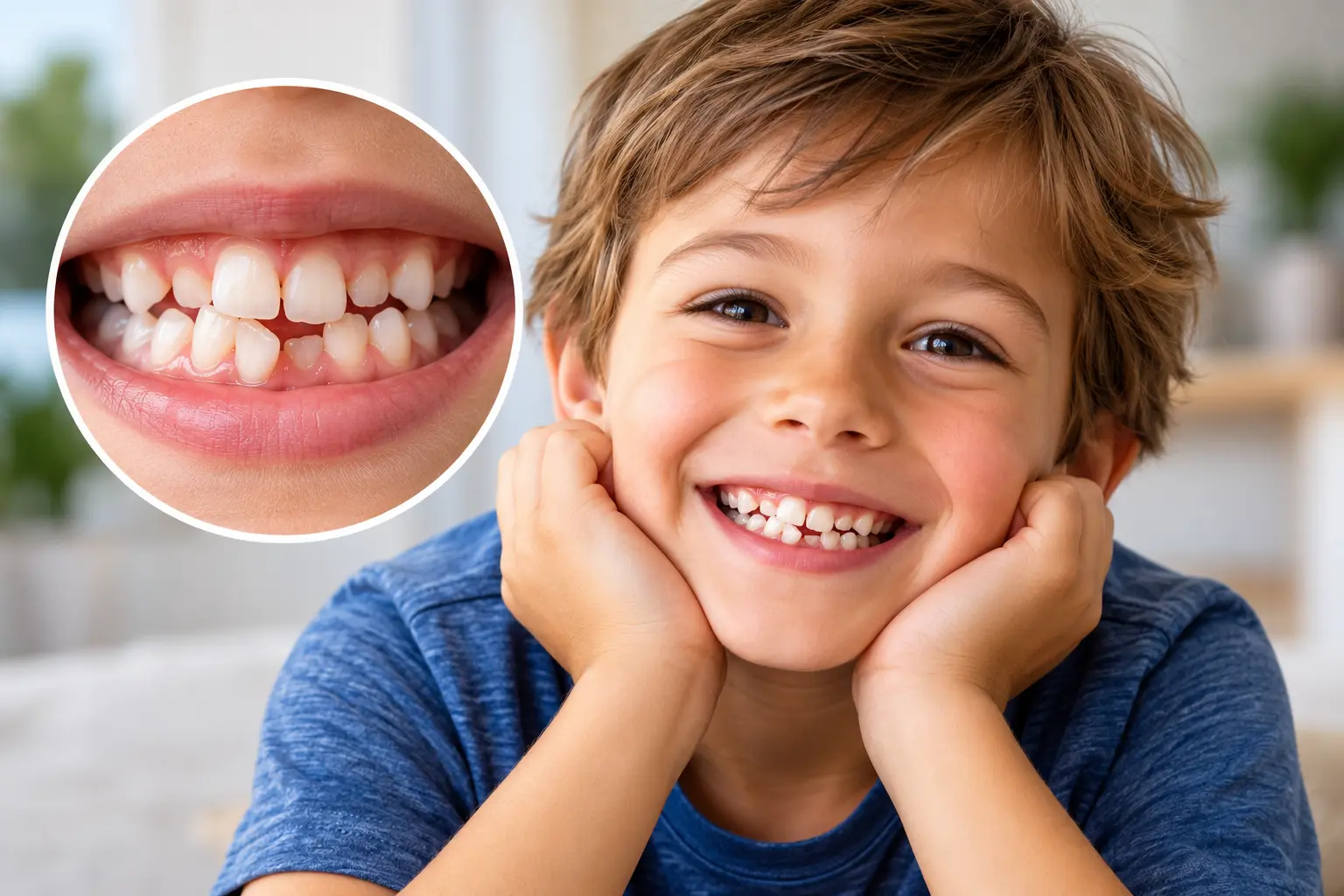
Parents often notice jaw development concerns when they see crowded teeth. Braces may help align teeth later, but crowding can signal that the jaws did not develop enough room in the first place.
This matters because jaw development affects more than the smile. It can influence how the tongue fits in the mouth, how easily the lips close, how the child breathes at rest, and how stable the airway feels during sleep.
For this reason, early orthodontics and airway focused care may play an important role. They can help families understand why a child may still snore, mouth breathe, or sleep poorly after tonsil or adenoid removal.
Why Daytime Behavior Can Still Be Affected
Poor sleep does not always look like sleepiness in children. Some children become quiet and withdrawn. Others become emotional, impulsive, hyperactive, or easily frustrated.
A child who does not get restful sleep may struggle with attention, learning, and emotional regulation during the day. This is why airway and sleep questions matter when a child has ongoing focus or behavior concerns.
If a child still snores, mouth breathes, grinds their teeth, tosses and turns, or wakes up tired after surgery, their sleep quality may still need attention.
Parents often see this pattern first. They may notice that their child sleeps through the night but still does not seem rested. Teachers may raise concerns about focus or behavior. At home, parents may also see signs of poor sleep.
Those observations matter. They can help guide a deeper evaluation of breathing, oral posture, tongue function, and growth.
A More Complete Way to Look at Sleep and Breathing
At MyoWay Centers for Kids, we take a full picture approach to pediatric myofunctional therapy and airway development. Instead of focusing only on one enlarged structure, we look at how the child functions as a whole.
An airway focused evaluation may look at breathing habits, lip seal, tongue posture, tongue movement, jaw development, dental crowding, facial growth, sleep symptoms, and daytime concerns.
This approach can help children who already had tonsil or adenoid removal but still show signs of mouth breathing, snoring, restless sleep, fatigue, or focus challenges. It can also help families prepare before a procedure.
The goal is not to replace medical care. The goal is to help families understand the full airway development picture and make informed decisions with the right providers involved.
Questions Parents Often Ask
Can a child still snore after tonsil and adenoid removal?
Yes. Some children still snore after tonsil and adenoid removal because other factors may affect the airway. Mouth breathing habits, low tongue posture, poor oral function, nasal breathing challenges, or underdeveloped jaws may continue to play a role.
Why does my child still mouth breathe after adenoid removal?
A child may still mouth breathe after adenoid removal because mouth breathing can become a learned pattern. Even with more airway space, the lips, tongue, cheeks, and jaw may need support to develop healthier nasal breathing habits.
Does tonsil removal fix sleep problems in children?
Tonsil removal may help some children with sleep and breathing concerns, especially when enlarged tonsils restrict airflow. It may not address oral posture, tongue function, jaw development, or long standing mouth breathing habits.
What does tongue posture have to do with sleep?
Tongue posture can influence oral function, jaw development, and airway support. When the tongue rests low in the mouth, children may also show mouth breathing, open mouth posture, altered swallowing patterns, and reduced support for upper jaw development.
When should parents seek another evaluation after surgery?
Parents may want another evaluation if their child still snores, mouth breathes, wakes up tired, grinds their teeth, sleeps restlessly, or struggles with focus and behavior after tonsil or adenoid removal. A deeper look at airway development and oral function may help.
When to Take the Next Step
Tonsil and adenoid removal can play an important role in care for children with airway and sleep concerns. For some families, it brings meaningful improvement. For others, it represents one step in a larger process.
If your child still snores, mouth breathes, wakes up tired, or struggles with focus after a procedure, your concern is valid. There may be more to understand.
Poor oral posture, tongue dysfunction, mouth breathing habits, and underdeveloped jaws can all continue to affect breathing and sleep. A full airway development evaluation can help families better understand what their child may need next.
MyoWay Centers for Kids supports families with a deeper look at pediatric myofunctional therapy, nasal breathing, oral posture, tongue function, jaw development, and airway focused care.
Book your free consultation in under 5 minutes.
https://mychart.myoryx.com/patient/#/auth/onlineschedule?realm=myoway&univers=com