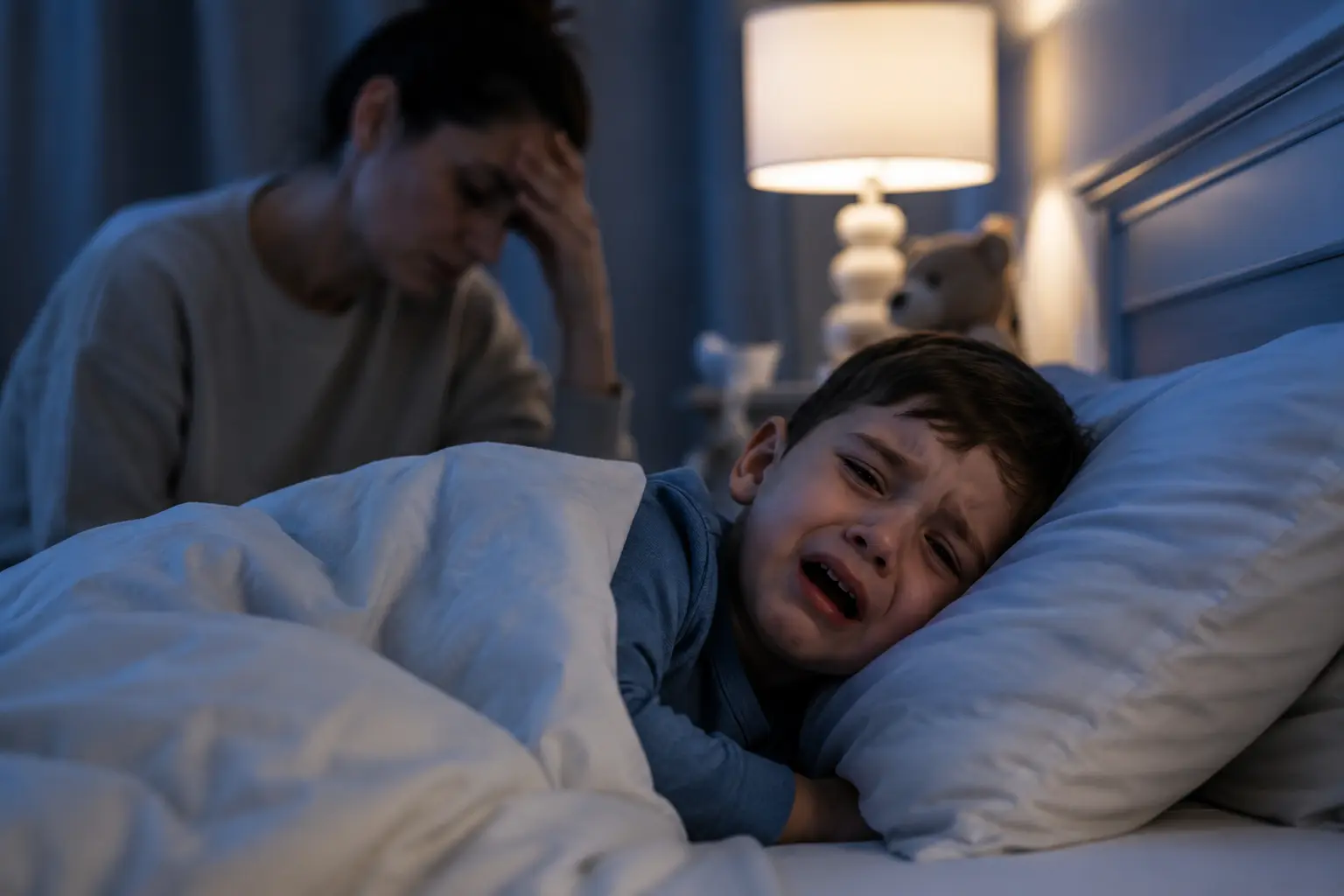
Many parents notice signs like snoring, mouth breathing, or frequent fatigue in their children and assume it is normal. Others see behavioral issues, poor focus, or delayed development without realizing these symptoms may be connected to one root cause: disrupted sleep.
Sleep disordered breathing in children often goes unnoticed, yet it can significantly affect a child’s growth, behavior, learning, and overall health. At MyoWay Centers for Kids, we created a free 10-question quiz to help parents understand if their child might be at risk. It is simple, fast, and can lead to clarity.
This article explains what sleep disordered breathing is, why it matters, and how early screening can make a powerful difference.
What is sleep disordered breathing in children?
Sleep disordered breathing is a condition where a child’s breathing becomes irregular or partially blocked during sleep. This can include symptoms like snoring, mouth breathing, and restless sleep, and in more serious cases, may develop into obstructive sleep apnea.
Even mild cases can disrupt deep sleep and lower oxygen levels, which are essential for brain development, emotional regulation, and physical growth.
How do I know if my child has sleep disordered breathing?
Here are common signs to look for:
-
Snoring or noisy breathing
-
Restless sleep or frequent waking
-
Mouth breathing during the day or night
-
Grinding teeth during sleep
-
Bedwetting beyond the expected age
-
Mood swings or irritability
-
Difficulty focusing or hyperactivity
-
Dark circles under the eyes
-
Daytime sleepiness or low energy
-
Frequent colds or sore throats
One symptom alone may not be a concern, but several together may indicate disrupted breathing during sleep.
Why is sleep so important for child development?
Sleep plays a vital role in brain development, memory formation, immune health, emotional regulation, and growth. Deep sleep is when the body repairs and the brain processes what was learned during the day.
If a child cannot breathe well while asleep, their brain and body stay in a state of stress. Over time, this can impact how they behave, learn, and grow.
Can sleep disordered breathing be confused with ADHD?
Yes. Sleep disordered breathing can cause many of the same symptoms commonly associated with ADHD, such as impulsivity, lack of focus, and hyperactivity. Some children have even been misdiagnosed with behavioral disorders when their core issue was actually poor sleep.
This is why airway screening is a crucial step in understanding your child’s behavior and brain function.
Why is mouth breathing a concern?
Mouth breathing is one of the earliest and most visible signs of airway dysfunction. It may seem harmless, but when a child breathes through their mouth instead of their nose, it affects jaw development, facial growth, and even posture.
Mouth breathing can also reduce oxygen intake, which impacts the brain’s ability to stay alert, regulate emotions, and maintain focus.
What is the MyoWay 10-question quiz?
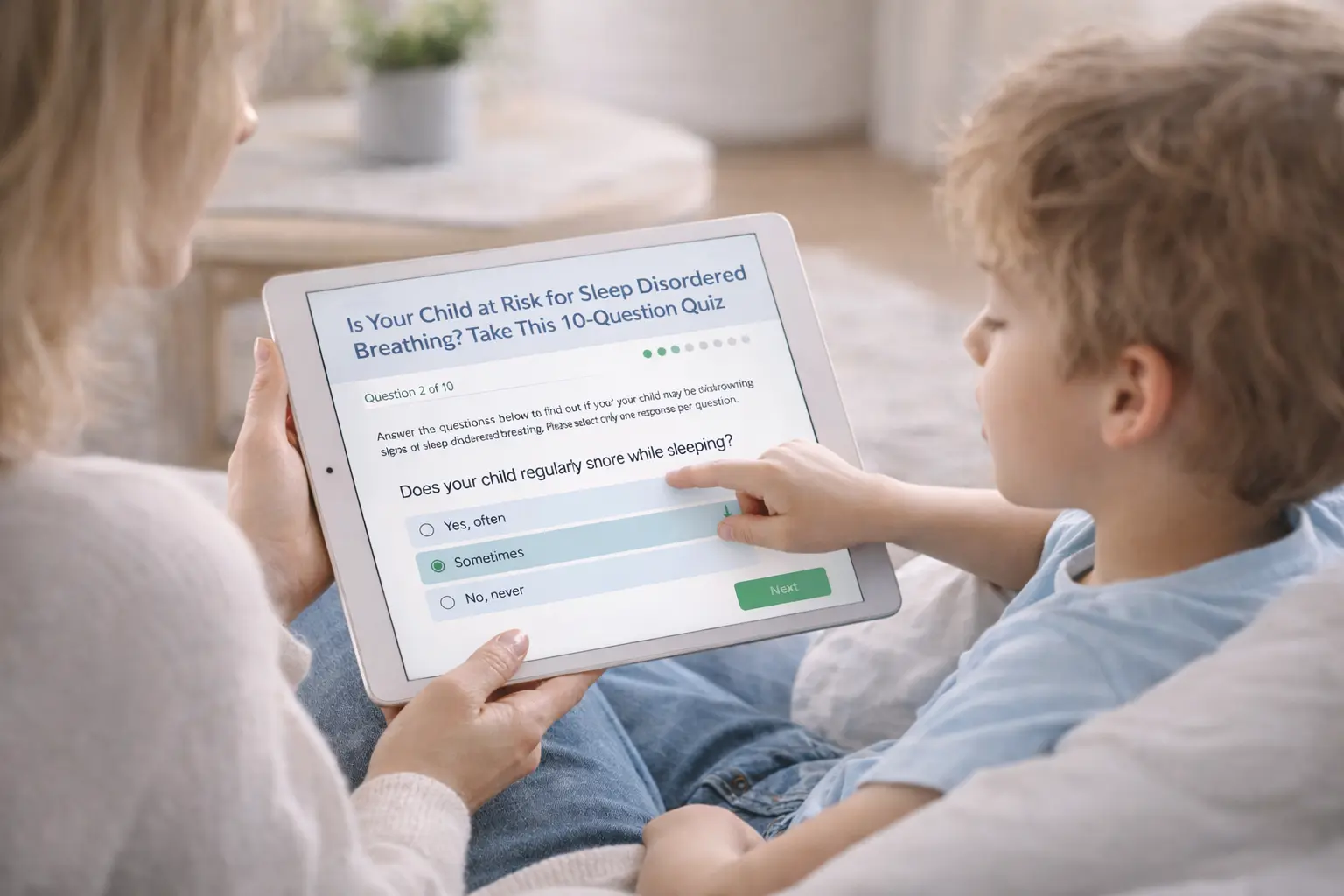
This free online quiz is designed to help parents identify potential signs of sleep disordered breathing in their child. It takes about two minutes and asks specific questions about your child’s sleep patterns, breathing, and behavior.
The goal is not to diagnose but to inform. Your results will show whether your child might benefit from a more detailed airway evaluation.
What happens after taking the quiz?
If the quiz shows potential concern, parents may choose to follow up with a full airway evaluation at MyoWay or with a provider trained in pediatric airway development.
Our evaluations explore jaw structure, tongue position, breathing patterns, and sleep quality. From there, we create a plan using myofunctional therapy and medical-grade appliances to support healthy development.
Why early screening matters
The earlier these signs are identified, the easier they are to correct. Children’s jaws and airways are still developing, which gives providers a unique window to guide healthy growth and prevent more serious issues later.
Early intervention can reduce the need for braces, speech therapy, behavioral therapy, or medication in the future.
How MyoWay Centers for Kids can help
Our program supports proper jaw growth, airway development, and healthy breathing patterns. We use myofunctional therapy combined with medical-grade appliances in a structured, supportive environment tailored to your child.
We do not wait for problems to worsen. We take action early to build long-term wellness from the inside out.
How can I screen my child at home?
The easiest place to start is our 10-question quiz. It is fast, free, and based on the signs we see in children every day. Parents who have taken the quiz often say it helped explain things no one else had connected.
The sooner you understand how your child sleeps and breathes, the sooner you can support their development.
Take the First Step Today
If your child snores, mouth breathes, or struggles with attention or sleep, do not ignore it. A two-minute quiz could give you the clarity you have been looking for.
Every child deserves to sleep well, grow strong, and feel their best during the day. That journey often begins with understanding what is happening at night.
Book your free consultation in under 5 minutes
https://mychart.myoryx.com/patient/#/auth/onlineschedule?realm=myoway&univers=com
Take the free 10-question quiz