
At a dental seminar, a speaker shared a story that stayed with everyone in the room. He explained that from the time he was a young child, he felt like something was wrong. For years, he struggled emotionally and mentally without fully understanding why. He carried that weight into adulthood, searching for answers and assuming the problem was only in his mind.
Then a dentist noticed something others had missed. His jaw had not developed properly, and his breathing may have been affected as a result.
That observation changed the way he understood his health. Since he was already an adult, his path required more complex care. His story is powerful because it reminds us that breathing, sleep, jaw growth, and brain function are not separate from one another. They are deeply connected.
For parents, this story raises an important question.
What if some of the signs children show every day are connected to the way they breathe, sleep, and grow?
The Connection Parents Are Often Not Told About
Parents are usually the first to notice when something feels off with their child.
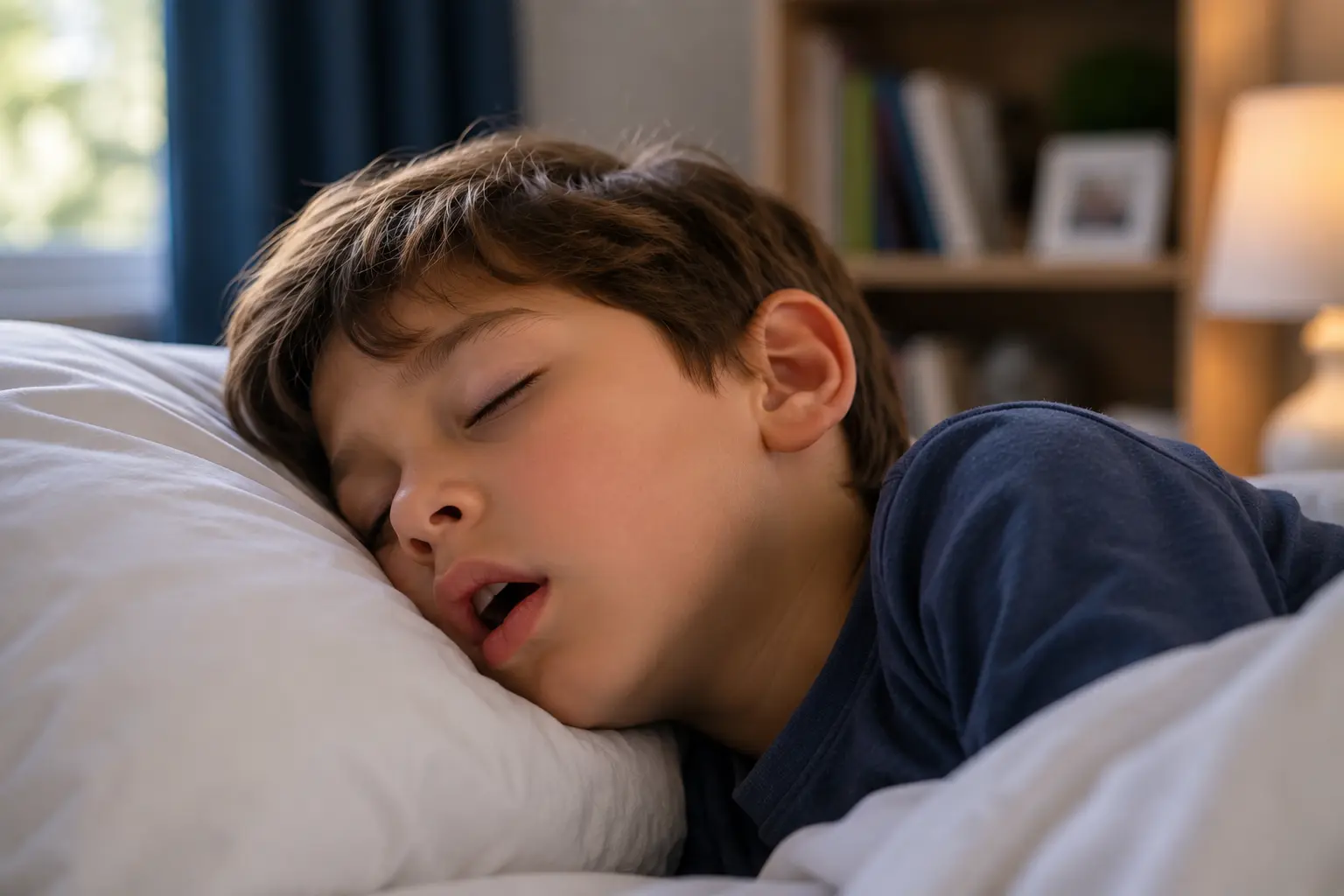
Maybe their child wakes up tired, even after spending enough hours in bed. Maybe they snore, grind their teeth, sleep with their mouth open, or toss and turn all night. During the day, that same child may struggle with focus, emotional regulation, school performance, or behavior.
These concerns are often treated as separate issues. Sleep is discussed in one place. Behavior is discussed somewhere else. Teeth are looked at later. Breathing may not be part of the conversation at all.
That is where families can lose valuable time.
At MyoWay Centers for Kids, we believe parents deserve to understand the bigger picture. Mouth breathing in kids, poor sleep, jaw development, crowded teeth, and focus challenges can sometimes be connected. Not every child with these symptoms has an airway concern, but these signs are worth exploring, especially while children are still growing.
Why Breathing Matters So Much During Childhood
Breathing is one of the most basic functions in the body, but it affects far more than most people realize.
Healthy breathing supports sleep quality, oxygen delivery, nervous system regulation, and daily energy. For children, sleep is especially important because it supports growth, learning, emotional balance, and brain development.
When a child does not breathe well during sleep, the body may not fully rest and recover. Even if the child spends enough hours in bed, the quality of that sleep may still be poor.
This can show up in ways parents may not expect.
A tired adult may look sleepy. A tired child may look restless, emotional, impulsive, or distracted. This is why sleep and breathing should be considered when a child struggles with attention, behavior, or morning fatigue.
This does not mean breathing issues are the only possible cause. It means they should not be ignored.
Mouth Breathing Is More Than a Habit
Mouth breathing is often dismissed as a habit. Many parents are told their child will grow out of it, or they assume it only matters during allergy season or illness.
Long-term mouth breathing can be a sign that the body is choosing a less efficient way to breathe. It may happen because nasal breathing is difficult, because oral posture has changed, or because the tongue and facial muscles are not functioning as they should.
When a child breathes through the mouth often, the tongue may rest low instead of resting against the roof of the mouth. Over time, low tongue posture can influence how the upper jaw develops. A narrow upper jaw can leave less room for the teeth, the tongue, and the airway.
This is one reason mouth breathing, crowded teeth, snoring, and sleep concerns often appear together.
Parents may notice open-mouth sleep, noisy breathing, dry lips in the morning, teeth grinding, restless sleep, crowded teeth, difficulty waking, daytime fatigue, trouble focusing, or emotional ups and downs.
None of these signs should be used to create fear. They are simply clues that the child’s breathing, sleep, and oral development may deserve a closer look.
Jaw Development Is About More Than Straight Teeth
Many families think of jaw development only in relation to orthodontics. If the teeth are crowded, the assumption is often that braces will fix the problem later.
Braces may help align teeth, but they do not always address why the teeth became crowded in the first place.
The jaw helps create space for the teeth, tongue, and airway. When the jaw develops well, it supports better oral function and breathing patterns. When the jaw is narrow or underdeveloped, the child may have less room for the tongue and less support for healthy airway function.
This is why early orthodontics and pediatric myofunctional therapy can be so important.
The goal is not simply to make the smile look better. The goal is to understand how the child is growing and functioning. At MyoWay Centers for Kids, we look at the relationship between breathing, oral posture, tongue position, sleep quality, and jaw development so families can see the full picture instead of waiting until the only option is correcting problems later.
How Poor Sleep Can Affect Focus and Behavior
When a child struggles with focus or behavior, families often look for answers in school routines, discipline, therapy, or attention-related concerns.
Those areas can matter. Sleep and breathing should also be part of the conversation.
Poor sleep can affect how a child thinks, feels, and behaves. A child who is not sleeping well may have a harder time regulating emotions, following directions, sitting still, remembering information, or staying focused.
This is why parents should pay close attention to nighttime clues.
If a child has attention concerns during the day and also snores, mouth breathes, grinds their teeth, or wakes tired, those patterns should not be viewed separately. The body is connected. The airway, jaw, tongue, sleep, and brain all work together.
What Pediatric Myofunctional Therapy Supports
Pediatric myofunctional therapy focuses on the muscles and habits that affect the mouth, face, tongue, and breathing patterns.
For children, this may include supporting nasal breathing, proper tongue posture, lips closed at rest, healthy swallowing patterns, better oral muscle function, jaw development, and airway development.
MyoWay Centers for Kids uses structured myofunctional therapy principles along with medical-grade appliances to support healthy development in children. The goal is to encourage better function while the child is still growing.
This approach is different from simply waiting for braces. It asks deeper questions.
Why is the child mouth breathing? Why is the tongue resting low? Why are the teeth crowded? Why is sleep restless? Why does the child wake up tired? Why are focus and behavior becoming daily struggles?
When families begin asking these questions earlier, they can make more informed decisions.
Why Early Evaluation Matters
The speaker at the dental seminar did not learn about the possible connection between his jaw development and breathing until adulthood. By then, his treatment path was more complicated.
Children are different because they are still growing.
This is one of the most important reasons to evaluate airway and jaw development early. Growth patterns are easier to guide during childhood than they are to change in adulthood.
Early evaluation does not mean rushing into treatment. It means paying attention before small signs become bigger challenges. It means helping parents understand what is happening and what options may be available.
For some children, early support may help encourage nasal breathing, healthier oral posture, and better jaw development. For others, an evaluation may simply give parents peace of mind.
Either way, knowledge is valuable.
Signs Parents May Want to Watch For
Parents do not need to diagnose their child. They only need to notice patterns.
If a child snores once during a cold, that may not be a major concern. If a child snores often, sleeps with their mouth open, wakes tired, grinds their teeth, or struggles with focus during the day, it may be time to look deeper.
Some common signs that may be connected to airway and jaw development include mouth breathing during sleep or during the day, regular snoring, restless sleep, teeth grinding, crowded teeth, open mouth posture, frequent waking, tired mornings, trouble concentrating, hyperactivity, emotional outbursts, forward head posture, or difficulty keeping the lips closed at rest.
These signs do not mean every child needs treatment. They mean the child may benefit from an evaluation that looks at breathing, oral function, sleep, and growth together.
How MyoWay Centers for Kids Helps Families
MyoWay Centers for Kids focuses on pediatric myofunctional therapy and airway development for children.
Our work is centered on helping families understand the signs that may be connected to mouth breathing, jaw growth, sleep quality, and oral function. We use structured therapy principles and medical-grade appliances to support healthier patterns while children are still growing.
Parents often come to us because they have noticed something, but they are not sure what it means. Their child may snore, mouth breathe, sleep poorly, struggle with focus, or show signs of crowded teeth.
Our role is to help connect the dots.
We look at how the child breathes, rests their tongue, closes their lips, sleeps, and grows. From there, families can better understand whether pediatric myofunctional therapy may be a helpful next step.
Frequently Asked Questions
What is pediatric myofunctional therapy?
Pediatric myofunctional therapy helps support healthy oral function in children. It focuses on breathing patterns, tongue posture, lip seal, swallowing, and the muscles of the mouth and face. At MyoWay Centers for Kids, this approach is used to support healthier airway and jaw development while children are still growing.
Can mouth breathing affect a child’s development?
Mouth breathing can influence oral posture, sleep quality, and jaw development. When a child breathes through the mouth often, the tongue may rest low instead of supporting the upper jaw. Over time, this may contribute to crowded teeth, poor sleep, and other functional concerns.
Is snoring normal in children?
Frequent snoring in children should not be ignored. Occasional snoring during illness may happen, but regular snoring can be a sign that breathing during sleep needs closer attention.
Can poor sleep affect focus and behavior?
Poor sleep can affect a child’s energy, mood, focus, and emotional regulation. Some children who are tired may not look sleepy. They may seem restless, distracted, impulsive, or overwhelmed.
What are signs my child may need an airway evaluation?
Signs may include mouth breathing, snoring, restless sleep, teeth grinding, crowded teeth, open mouth posture, tired mornings, and trouble focusing. These signs do not always mean treatment is needed, but they are worth discussing with a provider who understands pediatric airway development.
Does pediatric myofunctional therapy replace braces?
Pediatric myofunctional therapy does not replace all orthodontic care. It focuses on oral function, breathing habits, tongue posture, and growth support. Some children may still need orthodontic care later, but supporting function early may help address underlying patterns that contribute to crowding and poor jaw development.
When should parents seek help?
Parents should seek guidance when they notice ongoing mouth breathing, snoring, restless sleep, teeth grinding, crowded teeth, tired mornings, or focus concerns. Early evaluation can help families understand what is happening while the child is still growing.
The Takeaway for Parents
The story from the dental seminar is powerful because it shows how easy it can be to miss the connection between breathing, jaw development, sleep, and brain function.
For children, the lesson is clear. We should not wait until small signs become bigger problems. Mouth breathing, snoring, restless sleep, crowded teeth, grinding, poor focus, and tired mornings are all worth paying attention to.
At MyoWay Centers for Kids, we help families look deeper. Our goal is to support healthier breathing, oral function, jaw development, and sleep patterns during the years when growth is still happening.
Book your free consultation in under five minutes.
https://mychart.myoryx.com/patient/#/auth/onlineschedule?realm=myoway&univers=com