

Parents rarely begin their search for answers by asking for an airway evaluation.
Instead, they may notice that their child snores, sleeps restlessly, keeps their mouth open, grinds their teeth, struggles to wake up, or becomes unusually energetic and emotional when tired. Other families may worry about crowded teeth, speech difficulties, frequent congestion, challenging mealtimes, or a tongue that does not seem to rest in the right position.
Each concern may appear to belong to a different area of healthcare. Sleep concerns may lead to a pediatrician. Nasal congestion may lead to an ear, nose, and throat specialist or allergist. Crowded teeth may lead to a dentist or orthodontist. Speech and swallowing concerns may lead to a speech-language pathologist. Oral muscle patterns may lead to a myofunctional therapist.
However, these professionals may be observing different parts of the same developing system.
A child’s nose, mouth, tongue, facial muscles, jaws, teeth, throat, breathing pattern, and sleep quality all influence one another. No single symptom proves that a child has an airway disorder, and no single provider can answer every question. Coordinated evaluation can help families understand which findings are temporary, which require medical attention, and which may benefit from functional or developmental support.
Why Airway Concerns Can Be Difficult to Recognize
Children do not always show breathing and sleep concerns in the same way adults do. An exhausted adult may appear sleepy and slow. A tired child may become impulsive, emotionally reactive, physically restless, or unable to focus.
Many parents also assume that certain nighttime behaviors are normal because they have been present for years. Snoring, open-mouth sleeping, unusual sleep positions, frequent movement, sweating, tooth grinding, and repeated waking can gradually become part of the household routine.
These observations do not automatically mean that a child has obstructive sleep apnea or another medical condition. Still, they provide useful information.
The American Academy of Pediatrics recommends asking about snoring during routine care and advises further evaluation when a child snores regularly or shows other signs of obstructive sleep apnea. Its clinical guideline for childhood obstructive sleep apnea also highlights an important difference between screening and diagnosis.
A questionnaire or clinical examination may identify risk. A qualified medical professional must determine whether a sleep-related breathing disorder is present.
That distinction matters. Airway-focused care should not turn every symptom into a diagnosis. Its purpose is to recognize patterns, ask better questions, and guide families toward appropriate care.
The Airway Is More Than a Single Body Part
When parents hear the word “airway,” they may picture the throat. In reality, the functional airway involves several connected structures.
Air moves through the nose and upper airway before reaching the lungs. The size and condition of the nasal passages matter. Tonsils and adenoids may also affect airflow. Jaw relationships, tongue position, oral muscle coordination, inflammation, body position, and changes in muscle tone during sleep may contribute as well.
The upper jaw forms part of the floor of the nasal cavity. The lower jaw helps influence the space available for the tongue. The tongue also needs adequate room and coordinated movement for eating, speaking, swallowing, and resting.
Jaw shape alone does not cause every sleep-related breathing disorder. Pediatric breathing and sleep concerns often involve several contributing factors. A child may have enlarged tonsils, nasal allergies, a narrow palate, reduced muscle tone, obesity, a craniofacial difference, or a combination of these concerns.
Research on craniofacial growth and pediatric sleep-disordered breathing supports a multidisciplinary approach that considers medical, dental, sleep, and developmental findings together. Researchers also emphasize that treatment decisions should reflect each child’s individual anatomy, symptoms, age, and growth pattern.
What Different Providers May Contribute
Coordinated care does not mean that every child needs to see a long list of specialists. It means that each provider understands the limits of their role and knows when another perspective may help.
The Pediatrician
A pediatrician often has the broadest view of a child’s medical history, growth, medications, behavior, development, and recurring illnesses. Primary care can therefore serve as an important starting point when parents have concerns about sleep, fatigue, attention, growth, or breathing.
During an evaluation, the pediatrician may ask about snoring, pauses in breathing, daytime behavior, sleep duration, nasal symptoms, school performance, and family history. The findings may lead to observation, treatment of a medical condition, laboratory testing, referral to a specialist, or a formal sleep evaluation.
The Ear, Nose, and Throat Specialist
An ear, nose, and throat specialist evaluates structures that can limit airflow, including the nasal passages, tonsils, and adenoids. This perspective may be especially important for children with chronic congestion, recurring infections, difficulty breathing through the nose, frequent ear problems, or suspected enlarged tonsils or adenoids.
Surgery may help some children, but it does not provide a universal answer. A child may continue to mouth breathe or experience sleep concerns after tonsil or adenoid surgery. Ongoing nasal inflammation, learned breathing patterns, tongue posture, muscle coordination, jaw structure, or another factor may still contribute.
MyoWay’s article about why mouth breathing may persist after surgery explains why removing an obstruction and retraining function address different parts of care. A medical procedure may improve anatomy, while functional therapy may help when an established oral breathing pattern remains.
The Pediatric Dentist or Orthodontist
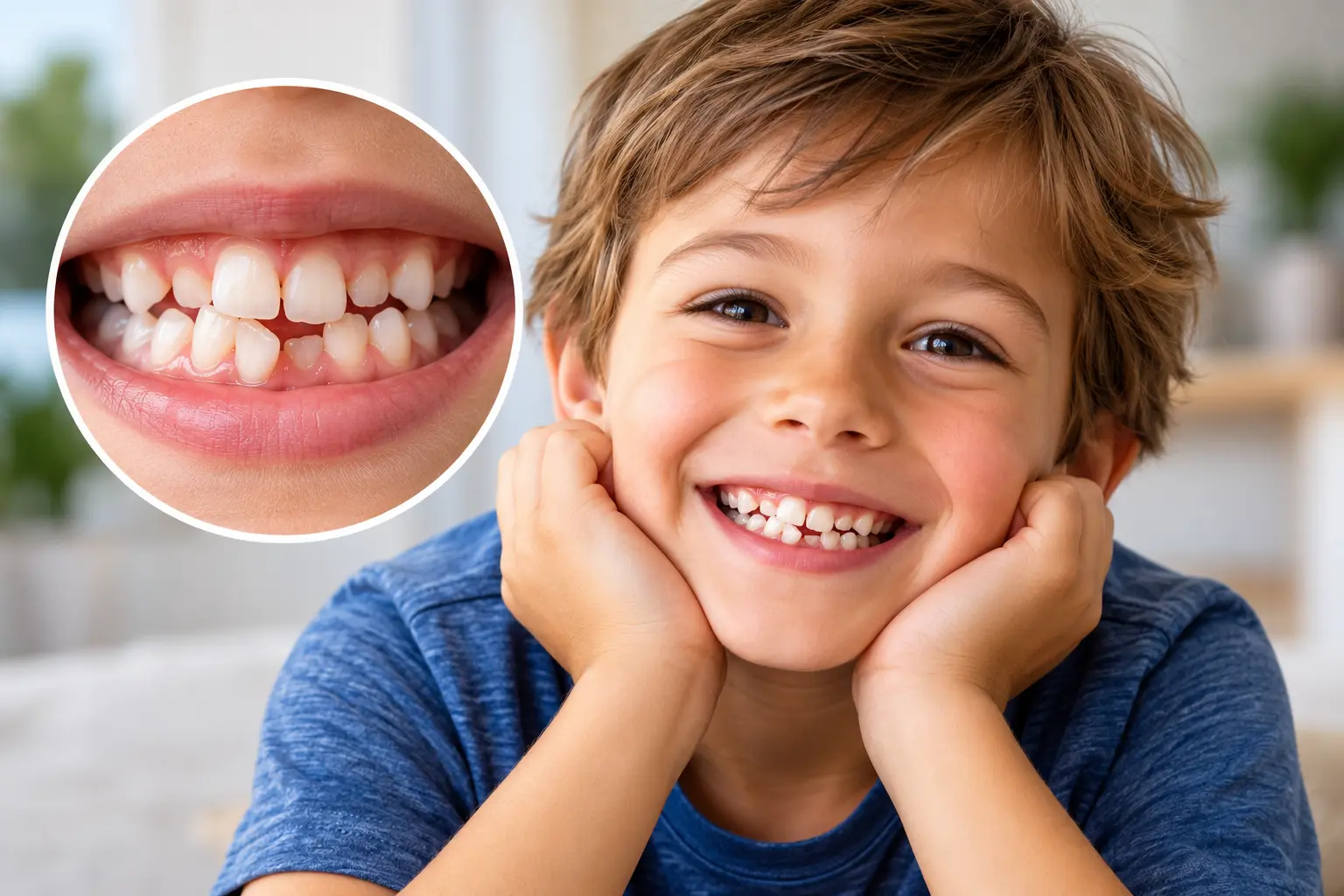
Dental professionals see children regularly during active periods of facial and dental development. They may notice crowded teeth, a narrow dental arch, crossbite, tooth wear from grinding, changes in jaw relationships, limited oral space, or a persistent open-mouth resting posture.
These findings do not allow a dentist to diagnose a sleep disorder. However, they may support further screening or a medical referral.
The American Academy of Pediatric Dentistry encourages dental professionals to screen children for increased risk of obstructive sleep apnea and arrange medical referrals when appropriate. Its policy on pediatric obstructive sleep apnea also emphasizes collaboration with qualified medical professionals for diagnosis and treatment.
An orthodontist may evaluate whether the dental arches and jaw relationships are developing as expected. A complete assessment should guide orthodontic treatment. Families should be cautious of claims that changing the jaws will automatically resolve a breathing or sleep disorder.
The Sleep Physician
A sleep physician evaluates suspected sleep disorders and determines whether specialized testing is appropriate. An overnight sleep study, also called polysomnography, records several body functions during sleep and may help diagnose pediatric obstructive sleep apnea.
This evaluation becomes especially important when a child regularly snores, gasps, pauses while breathing, shows significant daytime symptoms, has medical risk factors, or continues to struggle after previous treatment.
A sleep study provides valuable information, but it represents only one part of the full picture. The physician must interpret the results alongside the child’s symptoms, medical history, anatomy, age, and development.
The Allergist
Allergic inflammation can make nasal breathing difficult. Congestion, sneezing, itchy eyes, seasonal symptoms, or persistent nasal blockage may indicate that an allergy evaluation belongs in the care plan.
A child cannot comfortably maintain nasal breathing when the nasal passages remain blocked. For that reason, parents should avoid simply telling a child to keep their mouth closed before a professional investigates the cause of mouth breathing.
The Speech-Language Pathologist
Speech, feeding, chewing, swallowing, and oral movement all depend on coordinated tongue and facial muscle function. A speech-language pathologist may assess articulation, swallowing patterns, oral coordination, feeding safety, and communication development.
Some speech-language pathologists also have training in orofacial myofunctional disorders. Others collaborate with a myofunctional therapist when breathing patterns and oral resting posture appear relevant.
The Myofunctional Therapist
Myofunctional therapy focuses on how the tongue, lips, cheeks, jaw, and breathing muscles function during rest and activity. A pediatric program may address tongue-resting posture, lip seal, chewing, swallowing, nasal breathing habits, muscle coordination, and age-appropriate home practice.
Myofunctional therapy does not remove enlarged tonsils, diagnose obstructive sleep apnea, eliminate allergies, or replace medical care. It may support a broader care plan when dysfunctional oral patterns contribute to a child’s symptoms or continue after another intervention.
Parents who want a clearer explanation can read Pediatric Myofunctional Therapy: More Than Just Mouth Exercises. MyoWay’s programs and therapy overview also explains how therapy may combine professional guidance, muscle retraining, breathing support, parent education, and appliance guidance based on the child’s needs.
Research on pediatric myofunctional therapy continues to develop. Current evidence does not support presenting it as a guaranteed or stand-alone treatment for every child with sleep-related breathing concerns. Providers should match therapy to the child’s findings and coordinate it with medical or dental care when necessary.
Why Parents Sometimes Receive Conflicting Answers
Parents may feel frustrated when one provider expresses concern while another says everything looks normal. This difference does not always mean that one provider is careless or incorrect.
Different professionals focus on different outcomes.
For example, a child may have healthy lungs but still struggle with nasal airflow. The tonsils may not appear severely enlarged, yet the child may have ongoing oral-posture concerns. A dental examination may reveal crowding, but it cannot explain every cause of poor sleep. A sleep study may not show obstructive sleep apnea, even though the child still experiences mouth breathing, restless sleep, or oral-function concerns.
Instead of asking, “Which provider is right?” parents may find it more helpful to ask, “What did each provider evaluate, and what remains unexplained?”
Families can connect the pieces by keeping a brief record of symptoms, previous treatments, specialist reports, dental findings, and changes over time. A short nighttime video may also help a healthcare professional understand snoring, unusual positioning, or labored breathing. However, a home video cannot diagnose a sleep disorder.
Signs That May Justify a Broader Evaluation
One occasional symptom usually provides less information than a repeated pattern. Parents may consider discussing a broader evaluation when their child regularly experiences several of the following:
- Snoring or noisy breathing during sleep
- Persistent mouth breathing
- An open-mouth resting posture
- Gasping, choking, or witnessed pauses in breathing
- Restless sleep or frequent waking
- Unusual sleeping positions, including extending the neck
- Tooth grinding
- Morning headaches or difficulty waking
- Daytime fatigue, hyperactivity, irritability, or poor concentration
- Chronic nasal congestion
- Crowded teeth, a narrow palate, or developing bite concerns
- Speech, chewing, swallowing, or feeding difficulties
Many different conditions can cause or contribute to these signs. Parents should use them to guide a conversation, not to label or diagnose a child.
Families who are unsure which symptoms may matter can review MyoWay’s guide to what may be behind pediatric mouth breathing or explore the broader concerns listed on the Conditions We Treat page.
What a Thoughtful Care Plan Should Look Like
A responsible pediatric airway care plan should begin with questions rather than a predetermined treatment.
The provider should consider the child’s age, medical history, sleep symptoms, nasal breathing, oral function, jaw development, dental relationships, muscle coordination, feeding history, and previous care. Medical signs should prompt an appropriate referral.
A strong care plan should also explain treatment priorities. A child with significant nasal obstruction may need medical management before breathing retraining becomes realistic. A child with suspected obstructive sleep apnea may require a sleep evaluation or an ear, nose, and throat assessment. Another child may have a medically clear airway but continue to mouth breathe because of an established functional pattern. Some children may only need orthodontic monitoring rather than immediate treatment.
The order of care matters because structure and function influence each other, but they are not interchangeable. Expanding a dental arch does not automatically retrain the tongue. Removing enlarged tissue does not always change a long-established breathing habit. Oral exercises cannot correct every anatomical obstruction.
Coordination gives each part of the treatment plan a clear purpose.
How Parents Can Prepare for an Evaluation
Before an appointment, write down what you have noticed and when it occurs. Include nighttime behaviors, daytime changes, nasal symptoms, feeding or speech concerns, dental findings, and previous treatments.
Parents may find the following questions helpful:
- What findings concern you most?
- Are you screening for risk or making a diagnosis?
- Does my child need a medical or sleep referral?
- Could nasal obstruction affect oral function?
- What is the specific goal of the recommended treatment?
- How will you measure progress?
- Which symptoms require faster medical attention?
- How will you communicate with my child’s other providers?
Families should feel comfortable asking what a treatment may reasonably support and what it cannot do.
Getting Clearer Answers Without Creating Fear
Learning about pediatric airway health can feel overwhelming because breathing, sleep, behavior, oral development, and dental growth all affect a child’s well-being. The goal is not to make parents afraid of every snore, crowded tooth, or open mouth.
Instead, parents can focus on noticing persistent patterns and responding thoughtfully.
Some children need medical treatment. Others need dental or orthodontic monitoring. Myofunctional therapy may help certain children, while others need reassurance and observation. Many families benefit from more than one professional perspective before the full picture becomes clear.
MyoWay Centers for Kids evaluates breathing patterns, oral posture, muscle function, jaw development, sleep-related symptoms, and developmental history within the scope of myofunctional care. When the findings suggest a need for medical, sleep, dental, orthodontic, allergy, or speech evaluation, the team encourages coordinated referral.
Parents who would like help organizing their concerns can begin with MyoWay’s online screener on the pediatric airway research and risk quiz page. Families may also request a free myofunctional evaluation to learn whether their child’s breathing and oral function deserve additional attention.
An evaluation cannot promise a specific outcome. It can, however, replace uncertainty with better questions and a clearer next step.
Frequently Asked Questions
Which provider should evaluate my child first?
The best starting point depends on the symptoms. A pediatrician may be appropriate for sleep, breathing, growth, fatigue, or behavioral concerns. Persistent nasal obstruction may require an ear, nose, and throat specialist or allergist. Dental-development concerns may begin with a pediatric dentist or orthodontist. A myofunctional evaluation can assess oral posture, breathing habits, swallowing, and muscle function.
Can a dentist diagnose pediatric sleep apnea?
No. A dentist may screen for signs and risk factors, discuss observations with the family, and recommend a medical referral. A qualified medical professional must diagnose pediatric obstructive sleep apnea, often with an overnight sleep study when appropriate.
Does every child who snores have sleep apnea?
No. Children may snore for several reasons, and snoring does not always indicate obstructive sleep apnea. Parents should discuss regular snoring, breathing pauses, gasping, restless sleep, daytime behavior changes, or other concerns with a healthcare professional.
Can myofunctional therapy replace tonsil or adenoid surgery?
No. Myofunctional therapy cannot remove enlarged tissue or correct every physical obstruction. It may support oral muscle function and breathing patterns in appropriate cases, including for some children who continue to mouth breathe after medical treatment. A qualified medical specialist should guide surgical decisions.
Why might mouth breathing continue after nasal obstruction improves?
A breathing pattern can become established over time. Low tongue posture, reduced lip seal, oral muscle coordination, jaw development, ongoing inflammation, or another unresolved factor may also contribute. A follow-up evaluation can help identify what remains.
Do crowded teeth mean my child has an airway problem?
Not necessarily. Crowded teeth can develop for many reasons. A provider may consider crowding alongside jaw relationships, oral posture, nasal breathing, sleep symptoms, and medical history, but crowding alone does not diagnose an airway disorder.
Does every child need a sleep study?
No. The need for a sleep study depends on the child’s symptoms, examination, medical history, and risk factors. A pediatrician, sleep physician, or another qualified medical professional can determine whether overnight testing is appropriate.
Can virtual myofunctional therapy support coordinated care?
Virtual therapy may work well for some children because much of the process involves observation, coaching, guided exercises, appliance support, and home practice. Medical examinations, imaging, sleep testing, and procedures still require the appropriate in-person or specialist care.