

Many parents hear their child snore at night and do not think much of it. They may mention it during a consultation and quickly explain it away.
“It is just a little snoring.”
“It is nothing compared to their dad.”
“They have always slept that way.”
Snoring is often treated like a family joke, especially when there is an adult in the home who snores loudly. Over time, it can start to feel normal. Familiar. Even harmless.
When it comes to children, snoring deserves a closer look.
A child’s snoring, even when it seems mild, can be a sign that breathing during sleep is not as easy as it should be. It may point to airway restriction, mouth breathing, low tongue posture, oral muscle dysfunction, or sleep quality concerns that are easy to miss during the day.
At MyoWay Centers for Kids, we ask detailed questions about sleep because sleep often reveals what a child cannot explain on their own. If your child snores, even lightly, it may be time to ask what that sound is really telling you.
Should Parents Worry If Their Child Snores?
Children are meant to breathe quietly and comfortably during sleep. Occasional noisy breathing can happen when a child is sick or congested, but regular snoring should not be brushed aside.
Even mild snoring can suggest that air is not moving smoothly through the airway during sleep. When that happens, a child may have to work harder to breathe at night. That does not mean every child who snores has a serious condition. It does mean the symptom is worth exploring.
The better question is not, “Is the snoring loud enough to worry about?”
The better question is, “Why is my child snoring at all?”
Sleep quality matters because sleep supports a child’s growth, emotional well being, learning, and daytime function. The Centers for Disease Control and Prevention notes that good sleep is essential for health and emotional well being, and parents know how different a child can seem after a difficult night of rest.
Why Parents Often Miss the Early Signs
Most parents are not ignoring signs on purpose. They are noticing their child through the lens of what feels normal in their own home.
If a parent has heard snoring for years from a spouse, grandparent, or older sibling, it is easy to assume a child’s light snoring is not a big deal. Many families think of snoring as something common, not something that may be connected to breathing, sleep, or development.
Children are different. Their jaws are still growing. Their airway is still developing. Their tongue, lips, cheeks, and facial muscles are still learning how to work together. Because of this, small signs can matter.
Snoring is not just a sound. It can be the sound of resistance in the airway. When air does not move smoothly during sleep, the body may compensate. A child may open their mouth to breathe. They may toss and turn. They may grind their teeth. They may wake up tired, even after spending enough hours in bed.
To a parent, these signs may seem unrelated. To an airway focused provider, they may be connected.
What Snoring Can Suggest About Breathing During Sleep
Snoring happens when airflow is partially disrupted during sleep. As air moves through a narrowed or restricted space, soft tissues may vibrate and create sound.
In children, snoring may be related to airway function, oral posture, muscle tone, tongue position, or jaw development. This is why it is important to look beyond the sound itself.
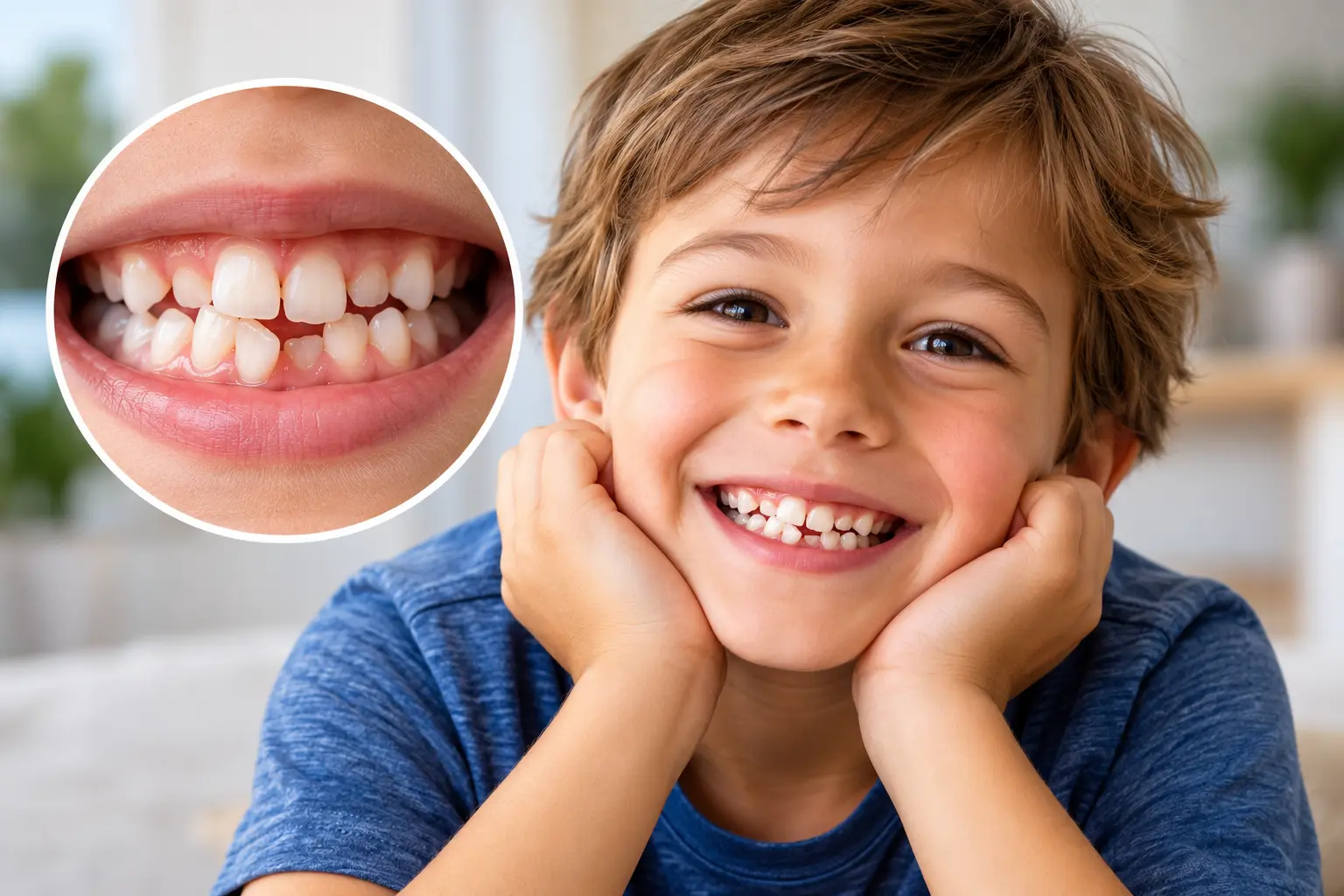
A child who snores may also sleep with their mouth open, breathe through the mouth during the day, toss and turn at night, grind their teeth, wake up tired, struggle with focus, or show signs of irritability and emotional outbursts. Some children may also have chronic nasal congestion, dark circles under the eyes, crowded teeth, or an open mouth posture during the day.
Not every child will show every sign. Some children may only snore lightly. Others may show daytime symptoms that do not seem connected to sleep at first.
That is why evaluation matters.
At MyoWay Centers for Kids, we do not look at snoring as an isolated habit. We look at breathing patterns, sleep quality, oral muscle function, tongue posture, jaw growth, and airway development together. If you want to understand more about this connection, our article on why snoring in children should never be ignored explains how airway and jaw development can influence a child’s sleep.
The Connection Between Sleep, Focus, and Behavior
When children do not sleep well, they do not always act sleepy.
Adults who are tired may feel sluggish, quiet, or low energy. Children often respond differently. A tired child may look wired. They may seem emotional, impulsive, restless, or easily frustrated. They may have trouble paying attention in school or settling down at home.
This is why sleep quality is such an important part of the conversation when families are concerned about behavior, focus, or learning.
A child who is working harder to breathe at night may not be getting the deep, restorative sleep their brain and body need. Even if they are in bed for enough hours, the quality of that sleep may not be ideal.
The National Institutes of Health explains that good sleep supports brain performance, mood, and overall health. For children, that can show up in the way they learn, focus, regulate emotions, and move through the day.
This is also why more families are asking about the connection between attention deficit hyperactivity disorder and sleep. Not every focus or behavior challenge is related to sleep, but sleep should be part of the conversation, especially when a child snores, mouth breathes, grinds their teeth, wakes up tired, or struggles with daytime regulation.
We explore this connection more deeply in our article on mouth breathing and child focus, especially for parents who are trying to understand why their child may seem tired, distracted, restless, or overwhelmed during the day.
Better breathing can support better rest. Better rest can support better focus, mood, learning, and daily function.
Why Mouth Breathing in Kids Matters
Mouth breathing is another sign parents often overlook.
If a child sleeps with their mouth open, breathes through the mouth during the day, or has lips apart at rest, it may suggest that nasal breathing is not being used consistently.
Nasal breathing plays an important role in healthy development. The nose helps filter, warm, and humidify air. Nasal breathing also supports proper tongue posture.
When the tongue rests in the right position against the roof of the mouth, it can help support natural jaw and palate development over time. When a child mouth breathes, the tongue often rests low in the mouth. This may influence oral muscle patterns, dental spacing, jaw growth, and airway development.
Mouth breathing may also contribute to dry mouth, restless sleep, and less efficient breathing patterns. Over time, these patterns can become habits that affect how a child sleeps, breathes, and develops.
This is where pediatric myofunctional therapy may be supportive. Myofunctional therapy focuses on the muscles of the mouth, tongue, lips, cheeks, and face. The goal is to encourage healthier oral habits and support the patterns that help children breathe, rest, and develop well.
For parents who want to learn more about the signs behind pediatric mouth breathing, MyoWay has a helpful resource that explains why mouth breathing is often more than a habit.
Why Jaw Development and Airway Development Are Connected
Parents often think about crowded teeth as a dental issue. That makes sense. Crowding is visible in the smile, so it is easy to focus on the teeth.
The bigger question is why the teeth may not have enough room in the first place.
Crowded teeth can sometimes be a sign that the jaws have not developed enough space. A narrow palate, low tongue posture, mouth breathing, and poor oral muscle function can all influence how the mouth develops over time.
This is why early orthodontics and airway focused care are important conversations for many families.
Traditional orthodontics often focuses on moving teeth into better alignment. Airway focused development looks deeper. It asks whether oral function, tongue posture, nasal breathing, and jaw growth are supporting the child’s long term health.
At MyoWay Centers for Kids, we believe that form follows function. When the tongue, lips, cheeks, and airway are working well together, a child has a stronger foundation for healthy growth. When those patterns are not working well, symptoms may begin to appear in sleep, breathing, behavior, or dental development.
This is also why myofunctional therapy and traditional orthodontics can work together. One focuses on function. The other may address alignment. When both are considered thoughtfully, families can better understand what is happening beneath the surface.
Early support does not mean rushing into aggressive care. It means noticing patterns sooner and giving families a clearer path forward.
How Pediatric Myofunctional Therapy May Support Children
Pediatric myofunctional therapy is designed to support healthy oral and facial muscle function.
For children, this may include support for nasal breathing, proper tongue resting posture, lip seal, healthy swallowing patterns, jaw development, airway development, oral muscle coordination, and better sleep related breathing patterns.
At MyoWay Centers for Kids, we use structured therapy and medical grade appliances when appropriate to support these goals.
The purpose is not simply to focus on one symptom, such as snoring. The purpose is to understand the function behind the symptom.
For a child who snores, that may mean exploring whether the airway is restricted, whether the tongue rests too low, whether mouth breathing is present, or whether the oral muscles are not functioning as they should.
Parents often ask whether myofunctional exercises help kids sleep better. The answer depends on the child, their airway, their oral muscle patterns, and their overall development. That is why a proper evaluation is so important.
Every child is different. A consultation can help determine whether pediatric myofunctional therapy may be a supportive option for your child.
What Happens During a MyoWay Consultation?
Many parents hesitate to schedule a consultation because they are not sure what to expect.
A consultation at MyoWay Centers for Kids is designed to help families understand what may be happening with their child’s breathing, sleep, oral function, and development.
We ask detailed questions about sleep because sleep gives us important clues. We may ask whether your child snores, mouth breathes, grinds their teeth, wakes up tired, moves around a lot at night, or struggles with focus and energy during the day.
We also look at oral posture, muscle function, jaw development, and breathing patterns.
The goal is not to overwhelm parents. The goal is to give them clarity. Many families come in thinking their child’s snoring is just a small habit. After learning more, they begin to see how breathing, sleep, and development may be connected.
That understanding can be powerful. It gives parents language for what they have been noticing and helps them take the next step with confidence.
If you are ready to ask questions about your child’s sleep, breathing, or development, you can schedule a consultation with our team.
When Should Parents Take Action?
Parents do not need to wait for snoring to become loud or constant before asking questions.
If your child snores regularly, even mildly, it is worth paying attention. A consultation may also be helpful if your child sleeps with their mouth open, breathes through the mouth during the day, wakes up tired, tosses and turns at night, grinds their teeth, has crowded teeth, struggles with focus, has frequent emotional outbursts, deals with chronic nasal congestion, or seems restless during the day.
These signs do not automatically mean something serious is happening. They do mean your child may benefit from a closer look at breathing, oral function, sleep, and airway development.
Parents often know when something feels off. They may not always know what to call it. A consultation can help connect the dots.
Frequently Asked Questions
Is snoring normal in children?
Regular snoring is not something parents should automatically consider normal in children. While occasional snoring may happen during congestion or illness, ongoing snoring can suggest that breathing during sleep is harder than it should be.
Can mild snoring still matter?
Yes. Even mild snoring can be an early clue that airflow is being disrupted during sleep. The volume of the snoring is not the only thing that matters. The presence of snoring itself is worth exploring.
What can child snoring be connected to?
Child snoring may be connected to mouth breathing, airway restriction, low tongue posture, oral muscle dysfunction, nasal obstruction, restless sleep, or jaw development concerns. A consultation can help identify which factors may be involved.
Can mouth breathing affect jaw development?
Mouth breathing may influence tongue posture, oral muscle balance, and jaw development over time. When the mouth stays open and the tongue rests low, the structures of the mouth may not receive the same support that comes with proper nasal breathing and tongue posture.
Can poor sleep affect focus and behavior?
Yes. Poor sleep quality can affect daytime focus, mood, emotional regulation, learning, and energy. Some children who are tired may appear hyperactive or restless instead of sleepy.
What is pediatric myofunctional therapy?
Pediatric myofunctional therapy focuses on improving the function of the tongue, lips, cheeks, and facial muscles. It may support nasal breathing, tongue posture, lip seal, swallowing patterns, airway development, and healthier oral habits.
Does every child who snores need myofunctional therapy?
No. Every child is different. Snoring is a sign that should be evaluated, not a diagnosis by itself. A consultation can help determine whether myofunctional therapy may be supportive.
When should I schedule a consultation?
You may want to schedule a consultation if your child snores, mouth breathes, sleeps restlessly, grinds their teeth, wakes up tired, has crowded teeth, or struggles with focus and energy during the day.
The Real Question Behind Childhood Snoring
The question is not whether your child’s snoring is loud enough to be concerning.
The better question is why your child is snoring in the first place.
Children are meant to breathe comfortably during sleep. When they do not, the body may be giving an early signal that something needs attention.
At MyoWay Centers for Kids, we take those signs seriously because we understand how breathing, sleep, oral function, and development are connected.
Snoring may seem small, but it can open the door to an important conversation about your child’s health, growth, and daily function.
If your child snores, even a little, do not dismiss it as harmless. Ask what the sound may be trying to tell you.
A Better Night’s Sleep Can Start With a Better Question
Parents do not need to have all the answers before reaching out. They only need to notice the signs and be willing to ask the next question.
Could my child be working harder than they should to breathe at night?
Could mouth breathing be affecting their sleep quality?
Could oral muscle function be influencing their airway development?
Could early support help my child breathe, sleep, and function better?
At MyoWay Centers for Kids, we help families explore these questions with clarity, compassion, and expertise.
If your child snores, mouth breathes, sleeps restlessly, or struggles with focus and energy during the day, a consultation can help you understand whether pediatric myofunctional therapy may be supportive.
Book your free consultation in under 5 minutes.