
Have you ever wondered why your child snores, struggles with sleep, or has crowded teeth—even at a young age? Or maybe you’ve noticed mouth breathing, speech delays, or behavioral challenges that just don’t add up?
What if we told you that a low tongue posture could be the root cause?
At MyoWay Center for Kids, we specialize in identifying and treating the early signs of airway and jaw development issues through myofunctional therapy. This blog will help you understand the signs that indicate a need for therapy—and why early intervention can make all the difference.
Where Is Your Tongue Right Now?
Seriously—check. Is your tongue resting on the roof of your mouth (where it should be), or is it sitting low at the bottom?
A low tongue posture is one of the clearest indicators that myofunctional therapy may be needed. The tongue plays a powerful role in shaping the jaw, guiding facial development, and supporting nasal breathing.
When the tongue isn’t in the correct position, it can impact everything from oral function to sleep quality and cognitive performance.
Key Signs You Might Need Myofunctional Therapy
Here are common red flags we evaluate during an initial assessment:
Low Tongue Posture
A tongue that rests low can contribute to underdeveloped jaws and poor airway health.
Mouth Breathing or Snoring
Children (and adults) who habitually breathe through the mouth—especially during sleep—may not be getting enough oxygen to support proper brain function and physical development.
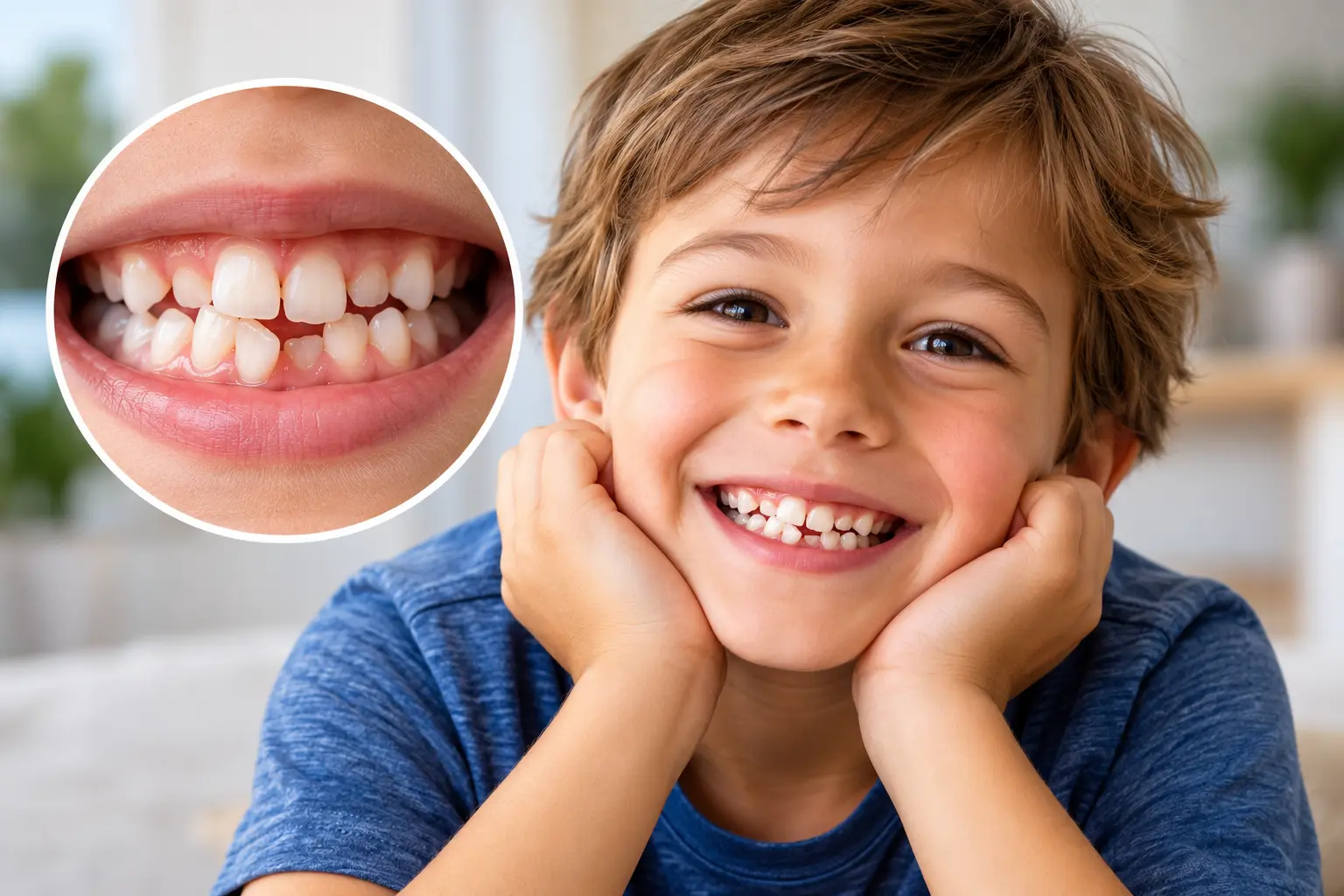
Crowded or Crooked Teeth
While orthodontics can straighten teeth, they don’t always address the why. Crowding often stems from an underdeveloped jaw and incorrect tongue function.
Sleep-Disordered Breathing
Conditions like sleep apnea, restless sleep, or frequent waking can stem from airway obstruction—often linked to poor oral posture.
Behavioral Issues
Many children diagnosed with ADHD-like symptoms are actually experiencing chronic sleep deprivation from an airway problem. When the brain isn’t fully rested, behavior and focus suffer.
Who Qualifies for Myofunctional Therapy?
Myofunctional therapy is ideal for:
- Children with signs of poor sleep or snoring
- Kids with tongue ties or speech delays
- Patients with orthodontic issues caused by jaw underdevelopment
- Adults who experience chronic fatigue, TMJ, or oral dysfunction
- Anyone with a low-resting tongue posture
🌟 Why Early Intervention Matters
The earlier we identify these patterns, the better the outcome. At MyoWay, we use medical-grade appliances and the world’s first myofunctional exerciser appliance to guide jaw and airway development—without surgery or extractions.
Our approach improves:
✅ Breathing
✅ Sleep quality
✅ Speech clarity
✅ Facial symmetry
✅ Overall well-being
Ready to Get Started?
If you suspect your child—or your patient—may benefit from myofunctional therapy, we’re here to help. Our assessments are designed to uncover hidden airway issues and set your child on a path to thriving.
👉 Schedule a consultation today at myowaycenters.com