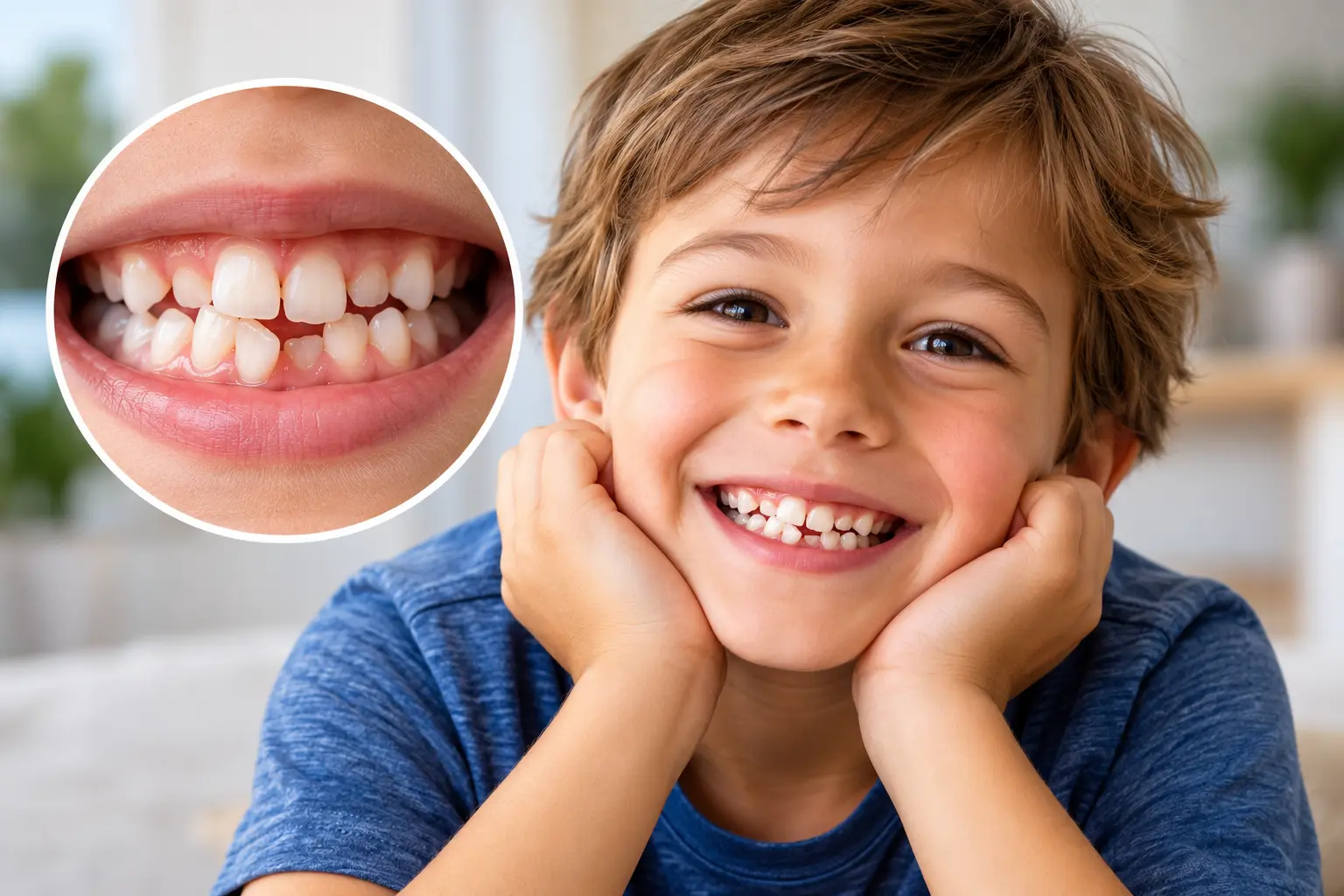

Many parents are told the same thing when they notice signs like mouth breathing, snoring, restless sleep, crowded teeth, or an open mouth posture in their child. It is genetic. They will grow out of it. There is nothing to do yet.
That message feels reassuring at first. Parents want to believe there is no urgency. Parents want to avoid overreacting. Parents also want to trust that time alone will fix what they are seeing. The problem is that time can reinforce patterns.
A child’s jaw is still growing, and growth responds to function. Breathing habits, tongue posture, and oral muscle patterns help shape the environment in which the jaws and airway develop. When those patterns are off, waiting can reduce the opportunity to guide healthier development while the growth window is active.
This article explains how jaw growth is influenced by function, why mouth breathing in kids matters, what pediatric myofunctional therapy supports, and how early action can support sleep and airway development foundations.
Key Takeaways
-
Jaw growth is influenced by genetics and by function, including breathing habits, tongue posture, and oral muscle patterns.
-
Mouth breathing in kids can affect sleep quality and may influence jaw and airway development over time.
-
A child’s growth window is a period when supportive changes can be easier to build and maintain.
-
Pediatric myofunctional therapy supports nasal breathing, tongue posture, and healthier oral muscle function.
-
Early evaluation can help families understand options before patterns become harder to change.
The Myth That Jaw Growth Is Only Genetic
Genetics matter. Family traits influence facial structure.
What often gets missed is that development is not only inherited. Development is also shaped by daily habits and muscle patterns. This is especially true in childhood, when the bones and soft tissues are still adapting to the forces placed on them.
If a child spends years with an open mouth posture, a low resting tongue, or inefficient swallowing, the muscles of the face and mouth are working in ways that can influence the direction of growth.
A simple way to think about it is this.
Growth follows the path of least resistance. The body adapts to what it does most often.
This does not mean parents caused a problem. It means there is an opportunity to support healthier patterns once you know what to look for.
Why Breathing Habits Affect Jaw and Airway Development
Breathing is not just about air moving in and out. The route of breathing influences posture and muscle function.
Nasal breathing supports:
-
Filtering and humidifying incoming air
-
Balanced resistance that helps regulate airflow
-
A more stable resting posture of the tongue and lips
When nasal breathing is comfortable, many children naturally rest with lips closed and the tongue up and forward. This resting position matters because the tongue is a strong muscle. Its posture influences how the palate and upper jaw are supported during growth.
Mouth breathing can be a sign that nasal breathing is not easy or not habitual. Mouth breathing often goes along with:
-
Low tongue posture
-
Reduced lip seal
-
Increased facial muscle tension
-
Forward head posture to help airflow
-
More disrupted sleep
Over time, these patterns can influence the environment that guides jaw and airway development. This is why families are often surprised to learn that jaw development, airway development, and sleep quality are connected.
What the Growth Window Means for Kids
The growth window is the period when your child’s jaw and facial structures are actively developing. This window is not a single moment. It is a broader phase across childhood where growth is ongoing and habits are still easier to shape.
This matters for two reasons. First, supportive changes can be easier while the body is still developing. Building healthier patterns early can feel more natural than trying to replace deeply ingrained habits later.
Second, children can adapt quickly when guidance is clear and consistent. The goal is not perfection. The goal is progress toward healthier function. Early evaluation does not mean every child needs treatment. Early evaluation means you are not ignoring signs that could point to breathing or function concerns.
Signs Your Child Might Need an Airway and Function Evaluation
Many parents notice a child’s sleep issues or behavior concerns long before anyone mentions breathing or oral posture. The signs are often present in everyday life.
Common signs include:
-
Mouth breathing during the day or night
-
Open mouth posture in photos or at rest
-
Snoring or noisy breathing during sleep
-
Restless sleep, frequent waking, or unusual sleep positions
-
Dry lips or dry mouth in the morning
-
Teeth grinding or clenching during sleep
-
Dark circles under the eyes
-
Difficulty waking up, morning fatigue, or daytime sleepiness
-
Frequent irritability, emotional swings, or low frustration tolerance
-
Difficulty focusing that worsens when sleep is poor
-
Narrow arches, crowding, or bite concerns
-
Speech concerns related to tongue placement
-
Prolonged thumb sucking or extended pacifier use
-
Forward head posture or chronic slouching
These signs do not confirm a diagnosis. They are signals that the airway and oral muscle system may not be functioning optimally. When several of these signs appear together, it is worth assessing breathing, tongue posture, and muscle function rather than assuming your child will grow out of it.
Mouth Breathing in Kids and the Sleep Connection
Many parents notice daytime struggles and do not realize sleep quality may be involved.
Sleep disruption can look like:
-
Hyperactivity or impulsive behavior
-
Difficulty focusing
-
Mood swings and emotional sensitivity
-
Low stamina and quick exhaustion
-
Trouble waking up and starting the day
This is why families often search for answers about ADHD and sleep. A tired child can look wired. A child who does not get deep restorative sleep can struggle with learning and emotional regulation.
Pediatric myofunctional therapy does not claim to treat or cure attention conditions. It can support the foundations that influence sleep quality by addressing breathing route, tongue posture, and oral muscle patterns. A healthier breathing pattern at night supports better rest. Better rest supports better daytime regulation.
What Pediatric Myofunctional Therapy Supports
Pediatric myofunctional therapy is guided training for the muscles of the face, tongue, and mouth. The focus is function, not simply appearance. The goal is to help a child build patterns that support healthy development.
A pediatric myofunctional program may support:
-
Nasal breathing habits and awareness
-
Lip seal at rest
-
Resting tongue posture
-
Balanced swallowing mechanics
-
Efficient chewing patterns
-
Reduced compensations in facial muscles
These patterns matter because the oral muscles influence the environment where growth happens. When the tongue and lips rest in healthier positions and breathing is more efficient, the body has a better foundation for development.
At MyoWay Centers for Kids, the approach is structured and designed for children. It often includes medical grade appliances and guided training that helps children practice healthier patterns consistently at home and in everyday life. The purpose is to support jaw and airway development foundations, promote better sleep, and improve long term stability of function.
What an Evaluation Looks Like
Parents often hesitate because they think an evaluation will be complicated or overwhelming. A helpful evaluation is typically clear, calm, and educational. It looks at function rather than only teeth.
An evaluation may include:
-
Breathing route assessment, including nasal breathing comfort
-
Resting posture of the lips and tongue
-
Swallowing and chewing patterns
-
Oral muscle tone and coordination
-
Sleep related signs like snoring or restless sleep patterns
-
Developmental history, including habits such as thumb sucking
The goal is to identify patterns and understand whether support is appropriate now, later, or not at all. Parents should leave with clarity, not confusion.
What Can Change When Families Act Early
Every child is different, and outcomes vary. No one should promise a specific result for every case.
What early action can provide is options and a stronger foundation. Families often pursue early functional support to help:
-
Encourage healthier jaw development patterns during growth
-
Support airway development
-
Improve sleep quality foundations
-
Reduce mouth breathing habits
-
Build stable tongue posture and lip seal
Parents commonly report functional changes such as:
-
Quieter sleep and less restlessness
-
Improved morning energy
-
Less open mouth posture during the day
-
Better awareness of tongue posture
-
More consistent nasal breathing habits
These are meaningful because they relate to the systems that influence development and sleep. When a child sleeps better, many families notice improvements in mood and focus simply because the child is more rested.
Frequently Asked Questions
What is pediatric myofunctional therapy?
Pediatric myofunctional therapy is guided training for the muscles of the tongue, lips, and face. It focuses on nasal breathing habits, tongue posture, swallowing, and chewing to support healthier development.
Why does tongue posture matter?
The tongue is a strong muscle. Where it rests can influence the environment that supports jaw and palate development during childhood.
Why is mouth breathing in kids a concern?
Mouth breathing can be linked to airway resistance, low tongue posture, and disrupted sleep. Over time it may influence jaw development and daytime regulation through poor sleep quality.
What are signs my child might need an evaluation?
Common signs include mouth breathing, snoring, restless sleep, dry mouth in the morning, teeth grinding, fatigue, and open mouth posture at rest.
Does myofunctional therapy treat ADHD?
Pediatric myofunctional therapy does not treat or cure attention conditions. It can support sleep and breathing foundations that may influence daytime regulation when sleep quality improves.
When should a child be evaluated?
If your child has mouth breathing, snoring, restless sleep, or ongoing open mouth posture, an earlier evaluation can help you understand options during the growth window.
Jaw growth is influenced by genetics, and it is also influenced by function. Breathing habits, tongue posture, and oral muscle patterns shape how the jaws and airway are supported during childhood development. Waiting can allow unhelpful patterns to become more established. Early evaluation provides clarity and can preserve options while growth potential is still active.
Book your free consultation in under 5 minutes.
https://mychart.myoryx.com/patient/#/auth/onlineschedule?realm=myoway&univers=com