HOW MYOFUNCTIONAL THERAPY CAN HELP YOUR CHILD SLEEP BETTER
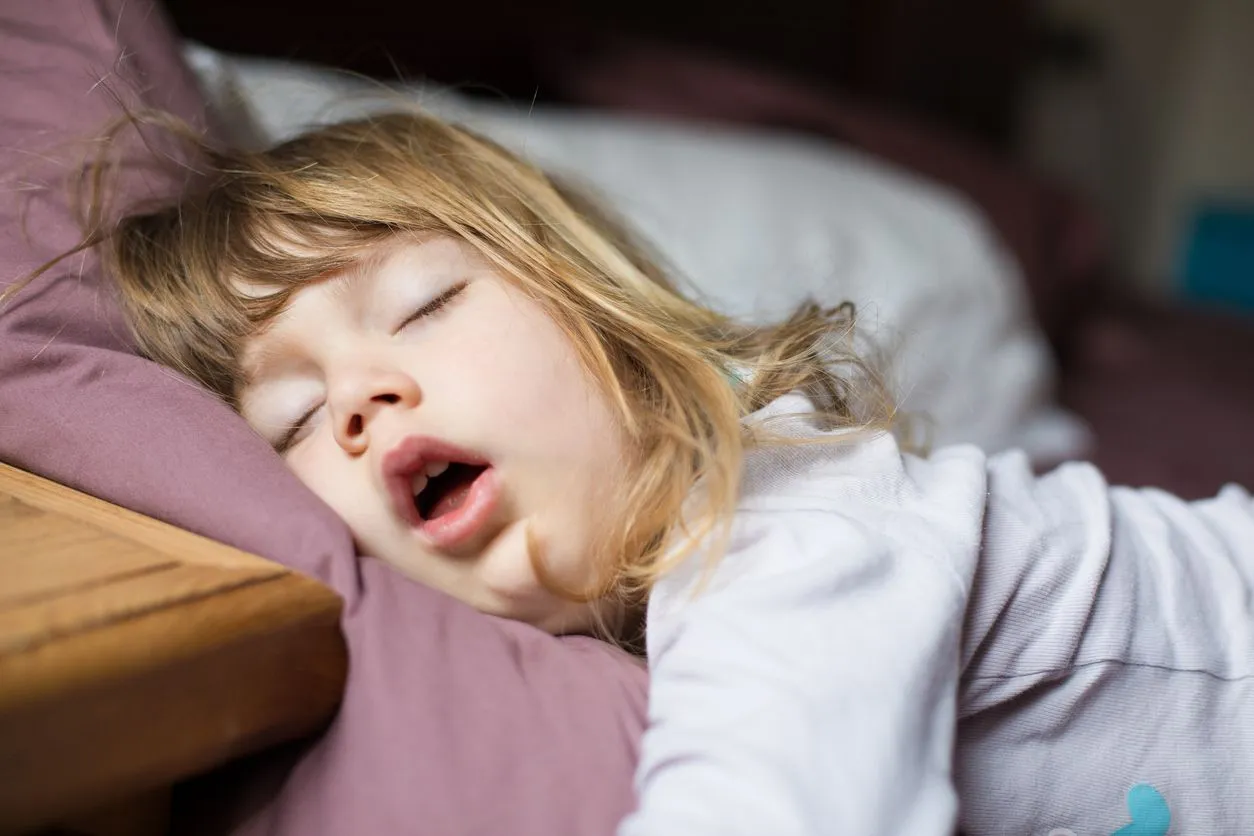
Have you ever noticed your child’s mouth breathing, snoring, or sleeping with their mouth open? These habits can lead to sleep disturbances, jaw development issues, and even sleep apnea. While we often hear about sleep apnea in adults, it’s important to address it in children too.
SNORING IN CHILDREN: WHAT’S NORMAL?
According to the National Sleep Foundation, most children snore occasionally, but only 10% snore regularly. In contrast, 30-40% of adults snore frequently. Snoring in children usually occurs when air can’t move freely through the nose and mouth during sleep, often due to an obstructed airway. Unlike adults, snoring in kids often points to underlying issues.
COMMON CAUSES OF SNORING IN KIDS
Snoring in children can be caused by:
- Allergies
- Cold or respiratory infections
- Small jaw or airway
- Enlarged tonsils and adenoids
- Sleep apnea
While some causes are minor and temporary, consistent snoring may indicate a more serious issue like sleep apnea.
PEDIATRIC SLEEP APNEA: WHAT PARENTS NEED TO KNOW
About 3% of children aged 1 to 9 have sleep apnea or upper airway resistance syndrome. In 2002, the American Academy of Pediatrics recommended screening all children for snoring to check for sleep apnea. Approximately 1-3% of children have breathing problems during sleep. If snoring is accompanied by gasps or pauses in breathing, your child may have sleep apnea. This happens when overly relaxed muscles obstruct the airway, causing breathing pauses that can last from a few seconds to a full minute. The brain then signals the body to resume breathing, causing the child to gasp or snort.
IMPACT OF SLEEP APNEA ON CHILDREN
Interrupted breathing can be exhausting for a child. Frequent waking during the night affects sleep quality, leading to crankiness and trouble focusing during the day. According to the American College of Chest Physicians, children who snore loudly are twice as likely to have learning problems. Tired kids often have trouble concentrating and may exhibit hyperactivity due to being overtired.
EFFECTIVE TREATMENTS FOR PEDIATRIC SLEEP APNEA
The good news is that there are treatments for sleep apnea. Removing the child’s tonsils or adenoids can often solve the problem. Some children might need to use a CPAP machine, which blows air into their nose via a mask to keep the airway open.
MYOFUNCTIONAL THERAPY: A NATURAL SOLUTION
Myofunctional therapy focuses on strengthening the muscles in the mouth, face, and throat, making a significant difference in sleep quality by addressing issues like snoring and sleep apnea. Here’s how it works:
STRENGTHENING ORAL MUSCLES
Myofunctional therapy includes exercises targeting the tongue, lips, and throat muscles. These exercises ensure these muscles are strong and properly positioned, helping keep the airway open during sleep.
IMPROVING BREATHING PATTERNS
Kids with weak oral muscles often develop mouth-breathing habits. Myofunctional therapy trains children to breathe through their noses, ensuring they get enough oxygen and restful sleep.
CORRECTING TONGUE POSTURE
Proper tongue positioning—against the roof of the mouth—prevents it from falling back into the throat and blocking the airway, promoting better breathing and sleep quality.
ENHANCING SWALLOWING FUNCTION
Swallowing problems can disrupt sleep too. Myofunctional therapy helps retrain the muscles involved in swallowing, reducing airway blockages and improving overall breathing health.
SUPPORTING ORTHODONTIC TREATMENT
Myofunctional therapy complements orthodontic treatments by ensuring oral muscles work correctly, supporting the alignment of teeth and jaws, and preventing breathing problems and sleep disturbances.
BENEFITS OF MYOFUNCTIONAL THERAPY FOR SLEEP
- Reduces Snoring: Strengthening muscles and improving function can significantly reduce snoring.
- Treats Sleep Apnea: Better muscle tone and breathing patterns can help manage and reduce sleep apnea symptoms.
- Enhances Sleep Quality: Improved breathing during sleep means fewer interruptions and more restorative sleep.
- Improves Daytime Functioning: Well-rested kids are less likely to experience daytime fatigue, behavioral issues, and learning difficulties.
GETTING STARTED WITH MYOFUNCTIONAL THERAPY
Myofunctional therapy is typically provided by trained therapists like speech-language pathologists, dentists, and orthodontists. The therapy involves regular sessions where kids learn and practice specific exercises tailored to their needs. Parents can help by encouraging their children to do these exercises at home.
CONCLUSION
Myofunctional therapy offers a non-invasive and effective way to improve sleep quality in children. By strengthening muscles and correcting functional issues, this therapy can help your child achieve restful, uninterrupted sleep and better overall health. If your child has sleep issues related to snoring or sleep apnea, consider consulting a myofunctional therapist to explore this beneficial treatment option.
We are excited to partner with MyoWay Centers for kids in the Pittsburgh area! They offer myofunctional therapy for all ages and can work with you through their virtual program. For more info on MyoWay and their therapy programs, check them out here.