Most parents notice when their child is struggling to focus. They notice the forgotten homework, the frustration during reading, the emotional meltdowns after school, or the teacher saying, “They seem distracted.” They may notice that their child is tired even after a full night in bed, or that simple instructions have to be repeated again and again.
What many parents do not realize is that the issue may not begin in the classroom. It may begin with how their child breathes.
Mouth breathing in kids is often dismissed as a habit. A child sleeps with their mouth open. A child breathes through the mouth while watching television. A child wakes up with dry lips or drinks water first thing in the morning. These signs can seem harmless, especially when a child appears healthy in other ways.
Breathing plays a major role in sleep, growth, learning, and development. When a child relies on mouth breathing, especially during sleep, the body may have to work harder to get the rest and oxygen support it needs. Over time, that can affect how a child feels, behaves, focuses, and learns throughout the day.

Why Mouth Breathing in Kids Matters
The nose is designed for breathing. It filters, warms, and humidifies the air before it reaches the lungs. Nasal breathing also supports proper tongue posture, lip closure, and balanced oral muscle function.
When a child breathes through the mouth, the tongue often rests low in the mouth instead of gently resting against the roof of the mouth. That low tongue posture can affect how the upper jaw develops. It may also influence dental spacing, oral posture, and airway development.
This is why mouth breathing is not just about the mouth. It can be connected to how a child sleeps, how the jaws grow, how the airway develops, and how rested the brain feels the next day.
A child who is not breathing well at night may not always look sleepy during the day. Some children become hyperactive when they are tired. Some become emotional. Some struggle to sit still, remember instructions, or stay focused long enough to finish a task.
For parents, this can feel confusing. The child may be trying hard, yet still falling behind. The missing piece may be sleep quality and breathing function.
The Connection Between Breathing, Sleep, and Learning
Sleep is when the brain restores, organizes, and prepares for the next day. For children, quality sleep is especially important because their brains and bodies are still developing.
During healthy sleep, the brain supports memory, learning, emotional regulation, attention, and growth. When sleep is disrupted, even in small ways, a child may have a harder time functioning the next day.
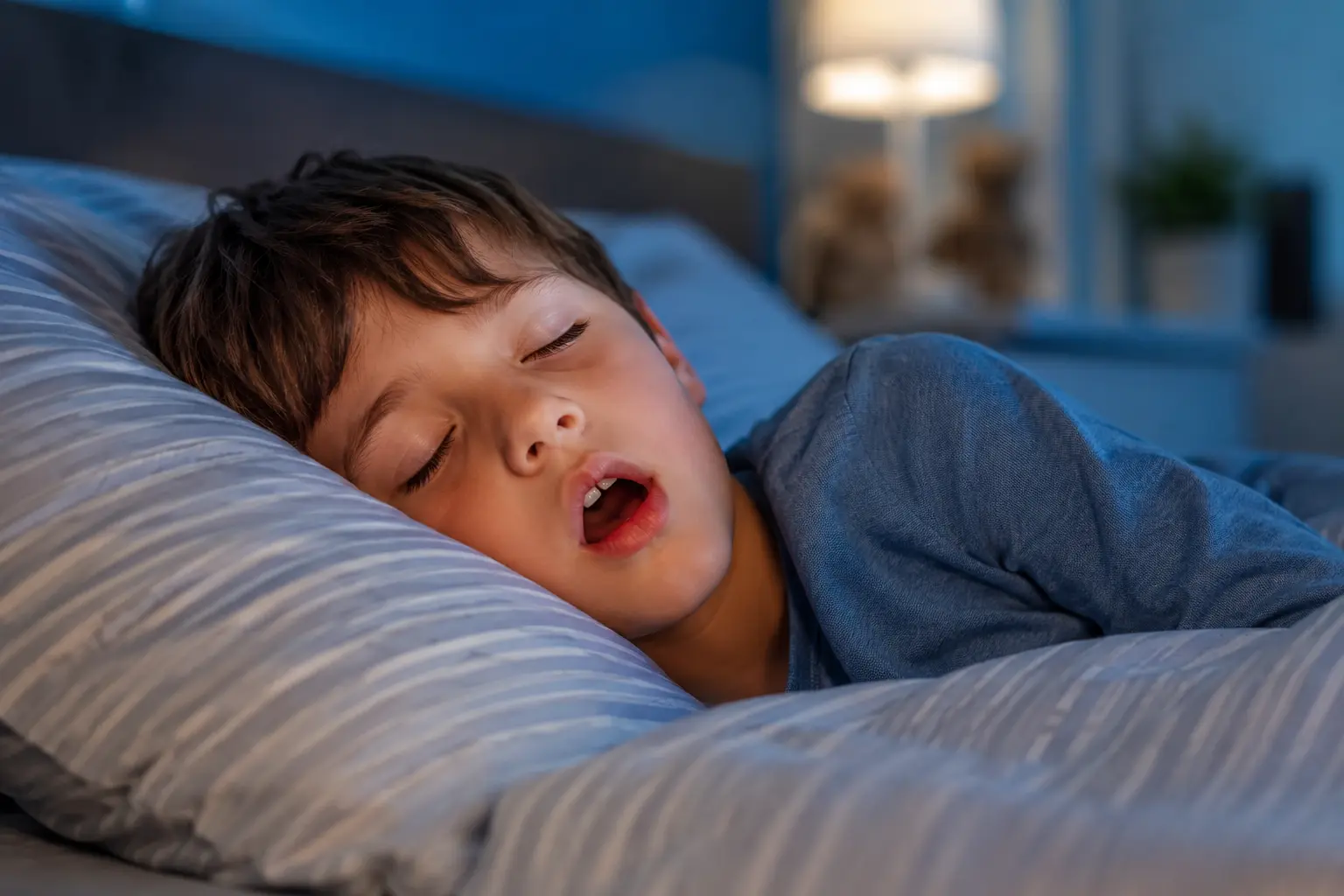
Mouth breathing can be one sign that breathing during sleep is not as efficient as it should be. Some children who mouth breathe also snore, grind their teeth, toss and turn, or sleep in unusual positions. These signs may suggest that the child is working harder to breathe comfortably during the night.
Parents may not see the disruptions while they are happening. They may only see the daytime effects. A child may wake up tired, struggle to focus, forget what they just learned, become frustrated quickly, or have trouble following directions.
This does not mean every focus or memory concern is caused by mouth breathing. Many factors can affect learning and behavior. Still, when attention struggles appear alongside mouth breathing, snoring, restless sleep, or tired mornings, airway function should be part of the conversation.
Could Mouth Breathing Affect Memory and Focus?
Memory and focus depend on a well-rested brain. When sleep quality is poor, the brain may not have the same opportunity to recharge, organize information, and support attention the next day.
There is growing awareness around the relationship between mouth breathing, sleep-disordered breathing, and cognitive performance in children. These concerns become especially important when a child also shows signs like open mouth posture, snoring, poor sleep, or daytime fatigue.
For parents, the most important takeaway is simple. Mouth breathing is a sign worth noticing.
It does not automatically mean something serious is happening. It does not mean a child will have learning problems. It does mean the child’s breathing pattern may deserve a closer look, especially if there are also concerns with sleep, focus, school performance, or behavior.
A child’s brain needs quality sleep to function well. A child’s body needs efficient breathing to support healthy development. When either one is disrupted, the effects can show up in daily life.
Signs Your Child May Be Mouth Breathing
Mouth breathing is not always obvious. Some children breathe through the mouth during sleep, while others do it during quiet activities like reading, watching television, or riding in the car.
Common signs may include sleeping with the mouth open, snoring, waking with a dry mouth, grinding teeth at night, tossing and turning, waking tired, having dark circles under the eyes, or struggling with focus and emotional regulation during the day.
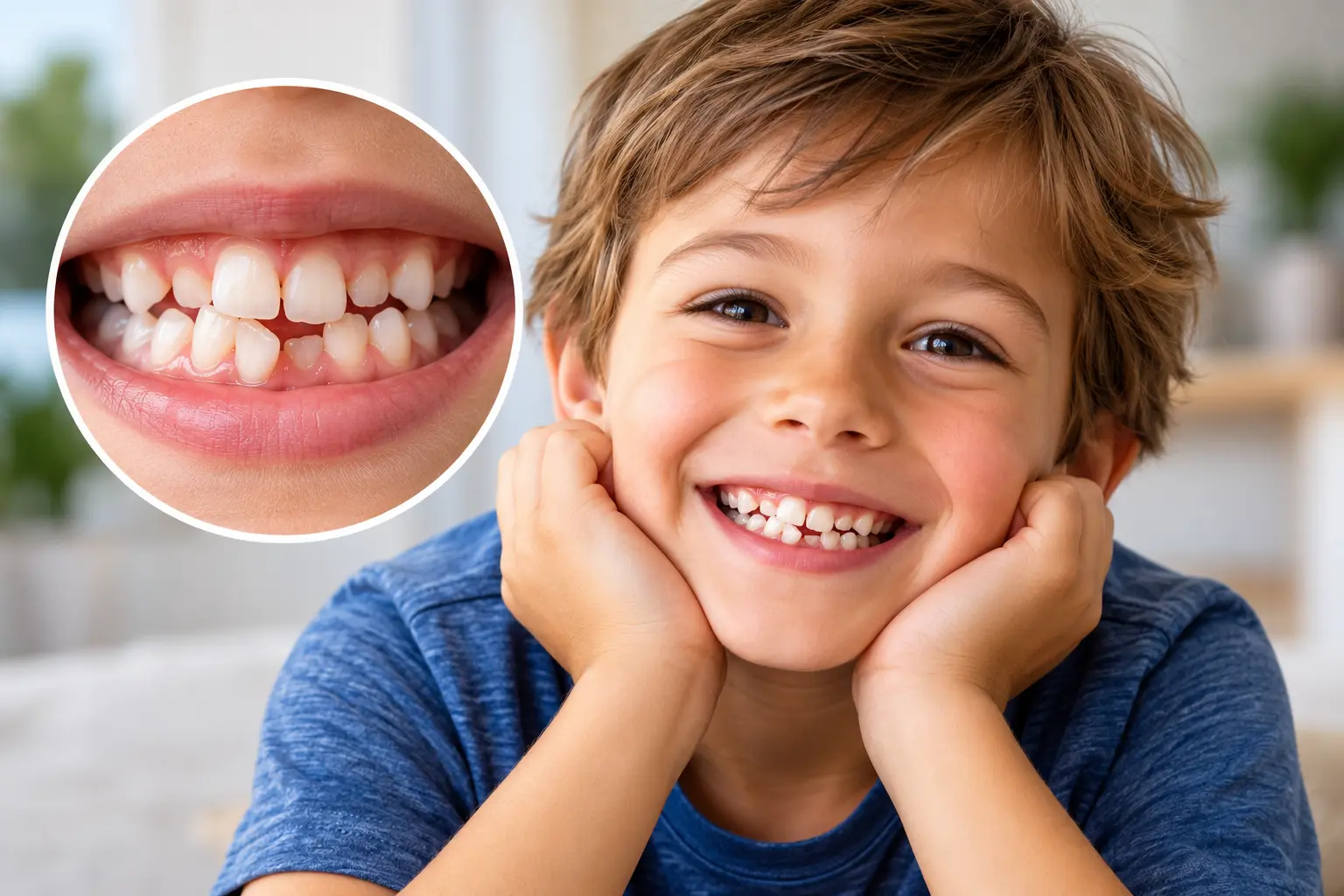
Parents may also notice crowded teeth, a narrow smile, difficulty keeping the lips closed at rest, or chewing with the mouth open. One sign by itself may not explain the full picture, but a pattern of signs is worth paying attention to.
If your child regularly breathes through the mouth, snores, wakes tired, or struggles with focus, it may be time to evaluate airway development and oral function.
Why Nasal Breathing Supports Healthy Development
Nasal breathing supports the body in ways that mouth breathing cannot fully replace. When a child breathes through the nose, the lips are more likely to stay closed and the tongue is more likely to rest in a healthy position against the roof of the mouth.
That natural tongue posture is important. The tongue helps guide the development of the upper jaw. A well-developed upper jaw can help create more room for the teeth and support a healthier airway.
When a child breathes through the mouth, the tongue often rests low. The lips may stay apart. The mouth may remain open during rest and sleep. Over time, this pattern can influence facial growth, dental development, and breathing function.
At MyoWay Centers for Kids, we look at these patterns early because form and function work together. How a child breathes, rests the tongue, swallows, sleeps, and grows are all connected.
Why Early Evaluation Matters
Many parents are told to wait until all adult teeth come in before addressing orthodontic concerns. In some cases, waiting may be appropriate. In other cases, early signs of poor oral function and airway development may be missed.
Crowded teeth, mouth breathing, snoring, and low tongue posture are not just cosmetic concerns. They may be signs that the jaws and airway are not developing as ideally as they could.
Early evaluation does not mean rushing into treatment. It means understanding what is happening while a child is still growing.
At MyoWay Centers for Kids, we look at how a child breathes, where the tongue rests, whether the lips stay closed, whether sleep is quiet and restorative, and whether jaw development is supporting both the teeth and airway.
These details help parents see the bigger picture. They also help identify whether pediatric myofunctional therapy may support healthier function and development.
How Pediatric Myofunctional Therapy Can Help
Pediatric myofunctional therapy focuses on the muscles and functions of the mouth, tongue, lips, cheeks, and airway-related structures. The goal is to help children build healthier patterns for breathing, tongue posture, lip closure, swallowing, and oral rest position.
At MyoWay Centers for Kids, therapy is designed to support proper oral function and healthy airway development. Medical grade appliances may also be used as part of a structured program to encourage better jaw growth and nasal breathing patterns.
This approach is not about simply correcting a habit. It is about helping the body function the way it was designed to function.
For some children, improving oral function and encouraging nasal breathing may support better sleep quality, better daytime energy, and better focus. Every child is different, which is why evaluation is so important.
MyoWay does not look at symptoms in isolation. We look at how breathing, sleep, jaw development, and oral function work together.
When a Breathing Issue Looks Like a Behavior Issue
One of the most important things for parents to understand is that a tired child does not always look tired.
A tired child may look restless, emotional, impulsive, distracted, or easily frustrated. They may struggle to remember, listen, follow directions, or complete schoolwork.
This is why some parents feel stuck. They may be addressing behavior without realizing that sleep and breathing could be part of the problem.
A child who snores, mouth breathes, or wakes tired may be starting the day at a disadvantage. The issue may not be effort or motivation. The child may be doing the best they can with a body that is not fully rested.
Looking at airway development and oral function can help families understand what may be happening beneath the surface.
What Parents Can Do Next
The first step is awareness. You do not need to diagnose your child. You can simply observe patterns and bring those observations to a qualified provider.
Notice whether your child breathes through the nose or mouth at rest. Pay attention to whether they sleep with the mouth open, snore, grind their teeth, wake tired, or struggle to focus during the day. Also notice whether their teeth appear crowded or whether they have trouble keeping their lips closed when relaxed.
These observations can help guide the next conversation. If several signs are present, it may be time to schedule an evaluation.
Why Families Choose MyoWay Centers for Kids
MyoWay Centers for Kids helps families understand the connection between mouth breathing, airway development, jaw growth, sleep quality, and oral function.
Our approach is structured, supportive, and child-centered. We help parents identify signs that may have been overlooked and provide guidance on next steps.
Families often come to us because their child is struggling with sleep, focus, crowded teeth, open mouth posture, or breathing concerns. Our goal is to help parents understand the root function behind those signs and support healthier development while the child is still growing.
MyoWay focuses on pediatric myofunctional therapy, airway development, nasal breathing support, oral posture, jaw development, early orthodontic guidance, medical grade appliance therapy when appropriate, and collaborative care with other healthcare providers.
Every child deserves a strong foundation for breathing, sleeping, learning, and growing.
Frequently Asked Questions
Is mouth breathing in kids normal?
Mouth breathing may be common, but it should not be ignored when it happens often. Children are designed to breathe through the nose at rest and during sleep. Regular mouth breathing may be a sign that nasal breathing, oral posture, or airway development should be evaluated.
Can mouth breathing affect my child’s focus?
Mouth breathing may be connected to poor sleep quality, and poor sleep can affect focus, memory, emotional regulation, and daytime energy. Not every focus concern is caused by breathing, but mouth breathing and sleep symptoms are worth exploring when attention struggles are present.
Why does my child sleep with their mouth open?
A child may sleep with the mouth open because nasal breathing is difficult, the tongue rests low, the airway is restricted, or open mouth posture has become a pattern. An evaluation can help identify what may be contributing to the issue.
Is snoring in children a concern?
Snoring in children should not be dismissed as harmless. Occasional snoring during a cold may happen, but frequent snoring can be a sign that breathing during sleep is not as clear or efficient as it should be.
What does pediatric myofunctional therapy do?
Pediatric myofunctional therapy helps support proper tongue posture, lip closure, nasal breathing, swallowing patterns, and oral muscle function. For growing children, these functions may help support healthier jaw development, airway development, and sleep quality.
When should my child be evaluated?
A child should be evaluated if they regularly mouth breathe, snore, sleep with the mouth open, grind their teeth, wake tired, have crowded teeth, or struggle with focus and behavior alongside poor sleep signs. Early evaluation can help families understand what is happening before patterns become more established.
The Next Step for Parents
Mouth breathing in kids can be easy to overlook because it often seems harmless. A child who sleeps with the mouth open or breathes through the mouth during the day may not appear to be struggling at first glance.
Yet breathing patterns matter. They can influence sleep quality, jaw development, oral posture, airway function, daytime energy, memory, and focus. When a child is not sleeping or breathing well, the effects may show up in school, behavior, mood, and daily routines.
Parents do not need to have all the answers before asking for help. They only need to notice the signs.
If your child snores, sleeps with an open mouth, wakes tired, struggles to concentrate, or seems forgetful, their breathing may be worth a closer look.
Book your free consultation in under five minutes.
https://mychart.myoryx.com/patient/#/auth/onlineschedule?realm=myoway&univers=com