Attention-Deficit/Hyperactivity Disorder (ADHD) diagnoses are on the rise, and with them, so is the prescription of stimulant medications, but what if some of the symptoms we attribute to ADHD are actually rooted in something as basic as breathing?
Emerging research, including findings from the Journal of Clinical Medicine, points to a surprising connection: children taking ADHD medications are significantly more likely to mouth breathe. Even more importantly, mouth breathing is associated with snoring, restless sleep, and behavioral issues that mirror or even worsen ADHD symptoms.
At MyoWay Center for Kids, we believe it’s time to start asking a different question: Instead of just managing behavior, why aren’t we also fixing how our children breathe?
The ADHD–Mouth Breathing Feedback Loop
A study highlighted in the Journal of Clinical Medicine found a positive association between ADHD medications and mouth breathing, and between mouth breathing and snoring. These findings are deeply concerning because they expose a circular pattern that many parents and professionals might miss:
- ADHD meds can lead to mouth breathing
- Mouth breathing disrupts sleep and oxygen flow
- Poor sleep exacerbates hyperactivity, focus issues, and emotional regulation
- More medication is used to treat those symptoms
The cycle repeats—and the root cause remains unaddressed.
Why Mouth Breathing Matters
Mouth breathing isn’t just a quirky habit—it’s a clinical red flag.
Children who breathe through their mouths are more likely to:
- Snore or grind their teeth
- Wake up tired or irritable
- Exhibit poor focus or hyperactive behavior
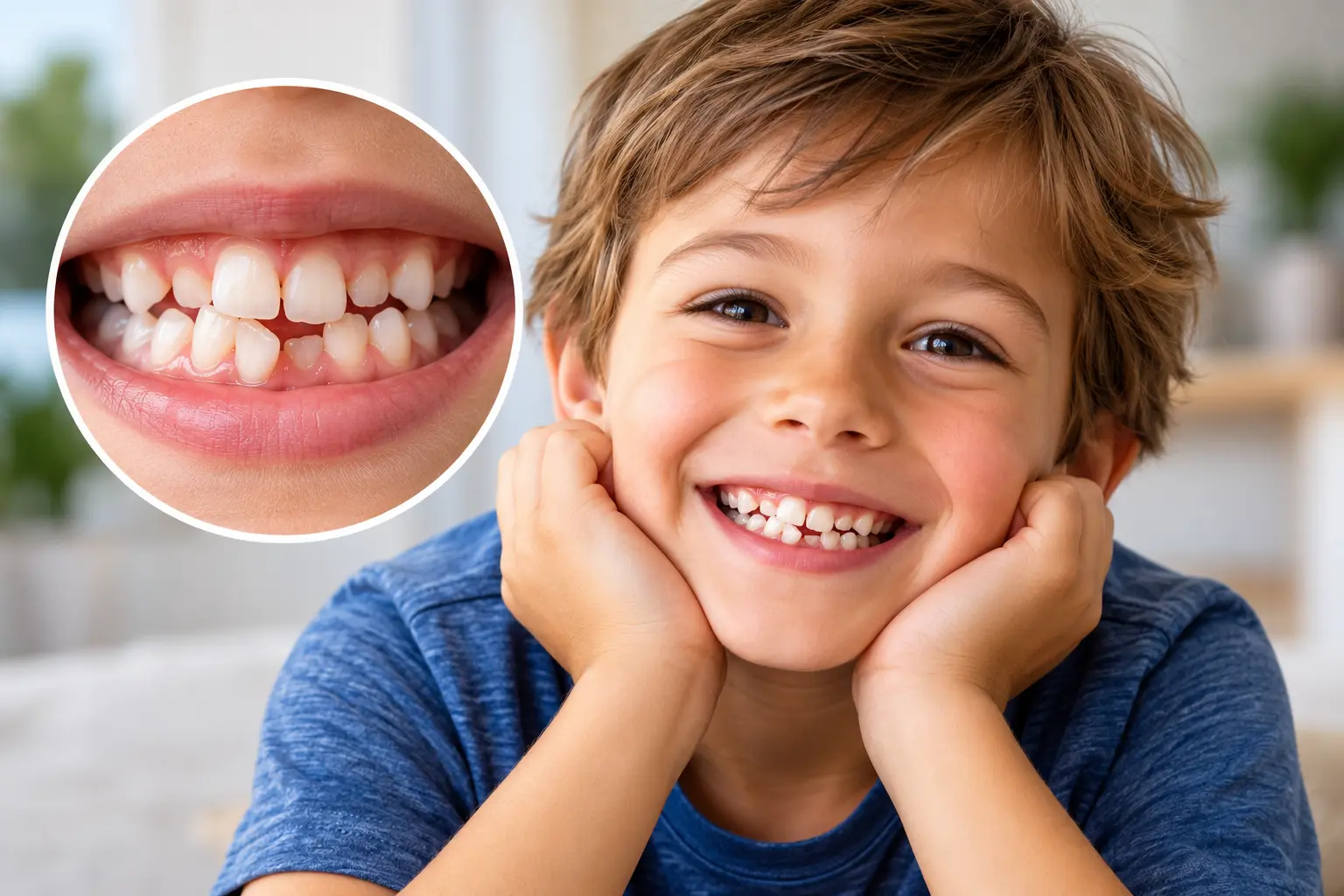
- Show signs of underdeveloped jaws and narrow airways
- Struggle academically or socially due to sleep deprivation
When the tongue rests low in the mouth instead of against the palate, it hinders the natural development of the upper jaw, reducing the airway space. Over time, this can set the stage for sleep-disordered breathing (SDB), which mimics or worsens ADHD symptoms.
What the Medical Community Needs to Know
This connection is already raising questions among pediatricians, dentists, and therapists:
🔍 Could some children be misdiagnosed with ADHD when the real issue is chronic mouth breathing or sleep disruption?
🔍 Are we missing early signs of airway dysfunction because we’re only looking at behavior?
More professionals are realizing that early airway evaluation must become part of routine pediatric care
The MyoWay Approach: Fix the Breathing, Change the Outcome
At MyoWay, we don’t just treat the symptoms—we uncover and correct the root cause.
Our program combines:
- Medical-grade myofunctional appliances
- Guided myofunctional exercises
- A child-centered, non-invasive treatment plan designed to restore nasal breathing and proper oral posture
By improving the airway, we help children:
✅ Sleep more soundly
✅ Improve focus and behavior naturally
✅ Support healthy jaw and facial development
✅ Reduce dependency on medication (in collaboration with their doctors)
Real Results, Real Lives Changed
We’ve seen countless families discover that addressing breathing issues was the breakthrough they’d been searching for. When a child breathes properly, everything changes—sleep improves, behavior stabilizes, and focus returns.
Take the Next Step
If your child has been diagnosed with ADHD—or is showing signs like mouth breathing, snoring, or trouble focusing—it may be time for an airway assessment.
✅ Book a consultation with MyoWay today
✅ Partner with a team who understands the whole picture
✅ Empower your child with the tools to thrive
🧭 Early intervention leads to lifelong transformation.