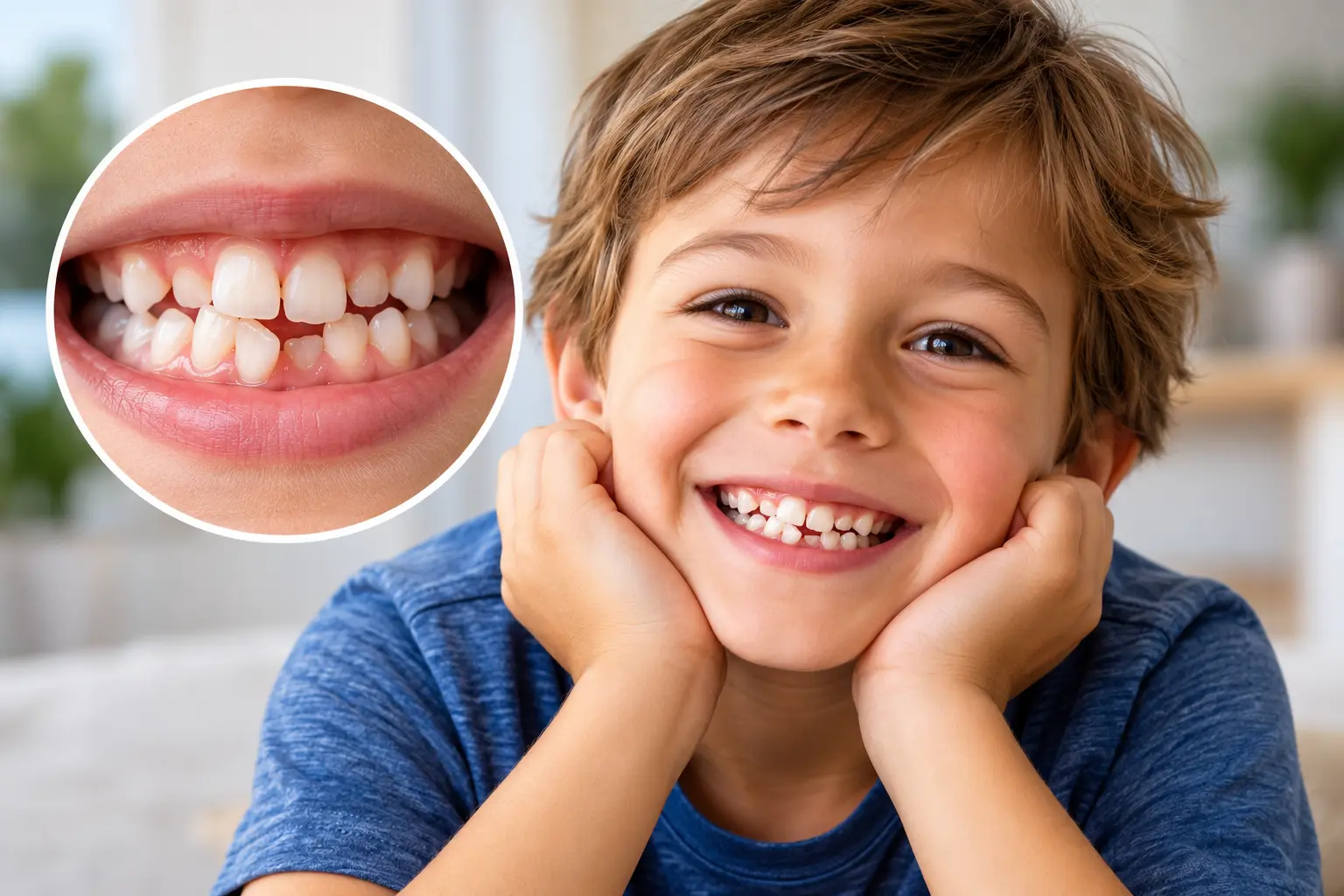

Proper jaw posture is essential for healthy jaw development in children. When the mouth remains open continuously, it can place stress on the muscles that support the jaw joint. This can lead to issues such as clicking, popping, and jaw pain. Addressing these problems early can prevent long-term complications.
How Improper Jaw Posture Affects Children
When a child’s mouth remains open for extended periods, the muscles supporting the jaw joint are put under continuous stress. This can cause dysfunction in the jaw joint, often leading to symptoms like:
- Clicking or popping noises when opening or closing the mouth
- Jaw pain and discomfort
- Restricted jaw movement
These issues may start in childhood and persist into adulthood if not addressed. Early intervention is crucial to prevent the development of temporomandibular joint disorders (TMJ) later in life.
The Role of Myofunctional Therapy
Myofunctional therapy offers a practical solution to correct improper jaw posture in children. This therapy helps train the muscles to perform correctly, allowing the jaw to develop as it should. Myofunctional therapy can:
- Encourage proper mouth closure
- Strengthen the muscles that support the jaw
- Promote correct tongue posture
- Support overall jaw alignment
By guiding the muscles to function properly early in life, children can develop stronger and healthier jaw structures.
Why Early Intervention Matters
Addressing improper jaw posture early in life can significantly reduce the risk of developing jaw joint issues as an adult. Early intervention through myofunctional therapy ensures that children develop healthy breathing and muscle patterns, minimizing the chance of long-term complications. Parents and caregivers should be aware of the signs of improper jaw posture, such as habitual mouth breathing, frequent jaw clicking, or visible strain when opening the mouth. Consulting a myofunctional therapist at the first signs of these symptoms can make a significant difference.
How MyoWay Can Help
At MyoWay Center for Kids, we specialize in myofunctional therapy to address issues related to improper jaw posture. Our approach is tailored to help children build healthy oral habits, promote jaw development, and reduce the risk of joint dysfunction.
If you are concerned about your child’s jaw posture or have noticed symptoms of jaw dysfunction, reach out to MyoWay for a comprehensive assessment.
Improper jaw posture can impact a child’s health and well-being long term. Early intervention through myofunctional therapy can help prevent jaw joint issues and support proper development. Contact MyoWay Center for Kids today to learn more about our innovative therapy programs and how we can support your child’s jaw health.