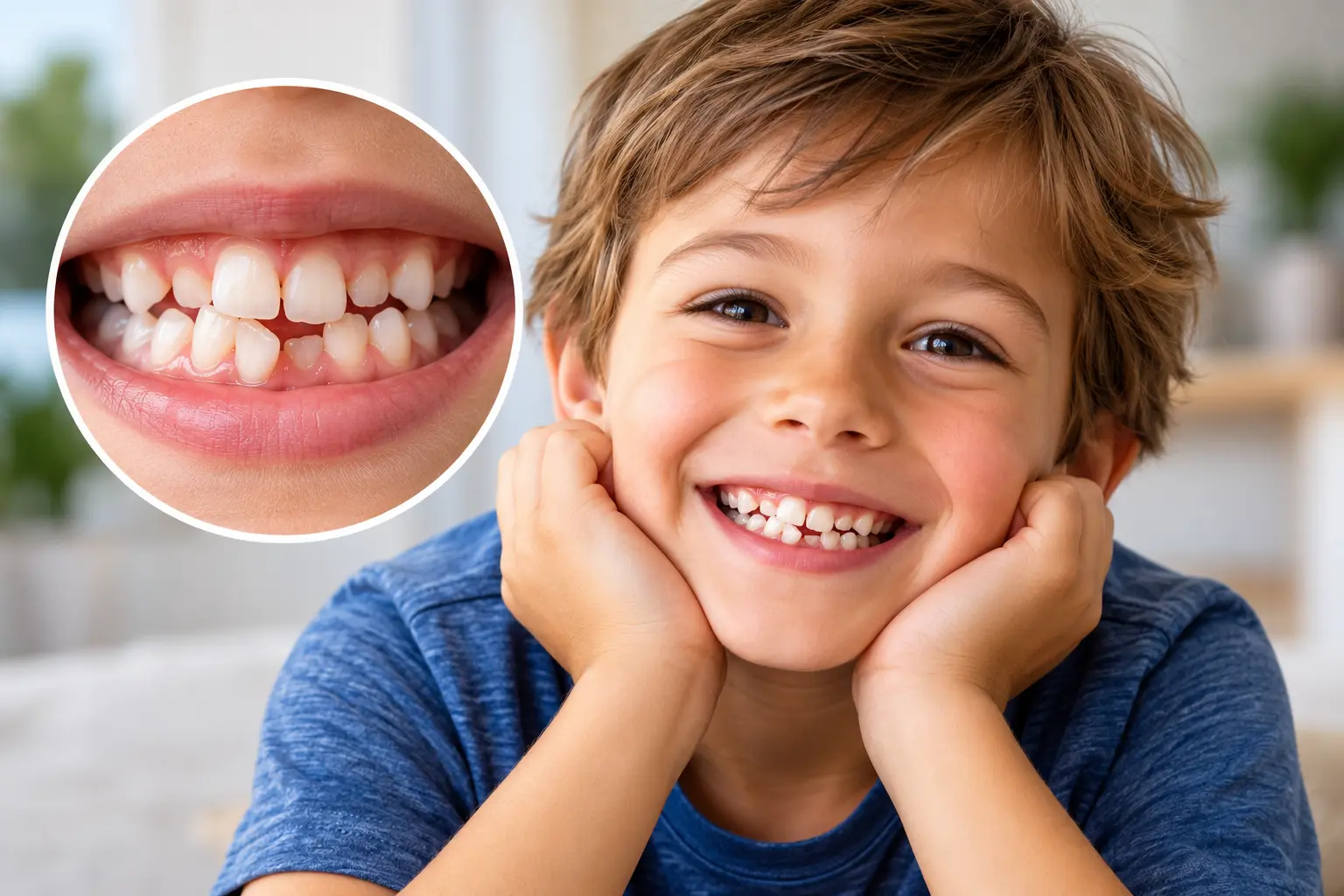
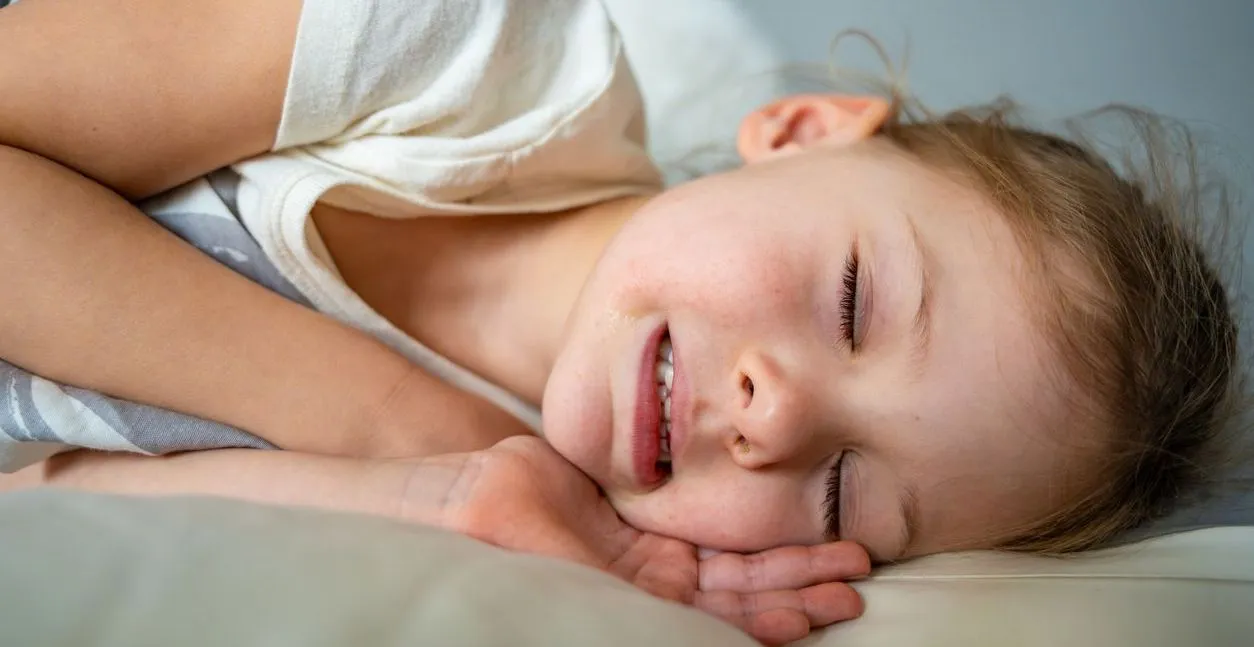
Teeth grinding, or bruxism, in children often raises concerns among parents, and rightly so. While occasional grinding can be common, persistent grinding is not normal and can indicate underlying issues, particularly concerning jaw development. Here’s why addressing pediatric teeth grinding early is crucial for healthy growth and development, and how myofunctional therapy can play a pivotal role in intervention and prevention.
Why Pediatric Teeth Grinding is Problematic
Teeth grinding involves the clenching and gnashing of teeth, typically during sleep. While stress or misalignment can contribute to bruxism in adults, children often grind their teeth due to improper jaw growth or alignment issues. Here are some reasons why pediatric teeth grinding should not be ignored:
Poor Jaw Growth
The jaw plays a critical role in not only chewing but also in supporting the airway and promoting proper facial development. Improper jaw growth can lead to a narrow palate or other structural issues, which may exacerbate teeth grinding.
Impaired Sleep Quality
Grinding can disturb a child’s sleep, leading to fatigue, irritability, and difficulty concentrating during the day. Poor sleep quality in children can also affect their growth and cognitive development.
Dental Problems
Persistent grinding can wear down tooth enamel, leading to tooth sensitivity, fractures, or even dental misalignment over time.
Sign of Airway Issues
In some cases, teeth grinding can be linked to compromised airway function, such as obstructive sleep apnea. This connection underscores the importance of addressing bruxism early to promote healthy breathing patterns.
Myofunctional Therapy: Early Intervention for Healthy Development
Myofunctional therapy is a specialised treatment that focuses on correcting improper oral habits and improving the function of oral and facial muscles. Here’s how myofunctional therapy can help address pediatric teeth grinding and promote overall health:
Muscle Training
By targeting specific oral muscles, myofunctional therapy aims to improve tongue posture, swallowing patterns, and chewing habits. This helps in correcting underlying issues contributing to teeth grinding.
Airway Development
Myofunctional therapy includes exercises designed to strengthen the muscles around the airway, promoting better breathing patterns and reducing the risk of airway obstruction during sleep.
Facial Growth Guidance
Through targeted exercises and techniques, myofunctional therapy supports natural jaw growth and development, potentially preventing future orthodontic issues. Ideal jaw growth is meant to be “forward and out”, whilst improper is “down and back,” thus compromising the airway.
Behavioral Modification
Myofunctional therapists work with children to identify and correct oral habits that contribute to teeth grinding, such as tongue thrusting or mouth breathing.
Promoting Healthy Growth and Development
Early intervention through myofunctional therapy not only addresses teeth grinding but also supports overall growth and development in children:
Improved Sleep Quality
By addressing the root causes of teeth grinding, myofunctional therapy can help children achieve better sleep quality, leading to improved daytime functioning and behavior.
Preventative Care
Correcting oral habits early can prevent the need for more invasive treatments later in life, such as orthodontic procedures or surgeries related to sleep-disordered breathing.
Enhanced Quality of Life
Children who undergo myofunctional therapy may experience improved self-esteem, reduced dental problems, and better overall health outcomes.
Pediatric teeth grinding should not be dismissed as a harmless habit. It often signals underlying issues with jaw growth and development that can impact a child’s health and well-being. Myofunctional therapy offers a proactive approach to address these concerns early, promoting healthy growth, strengthening the airway, and setting the stage for lifelong oral health. If you suspect your child may be grinding their teeth, consulting with a myofunctional therapist could be the first step towards a healthier smile and a better night’s sleep.