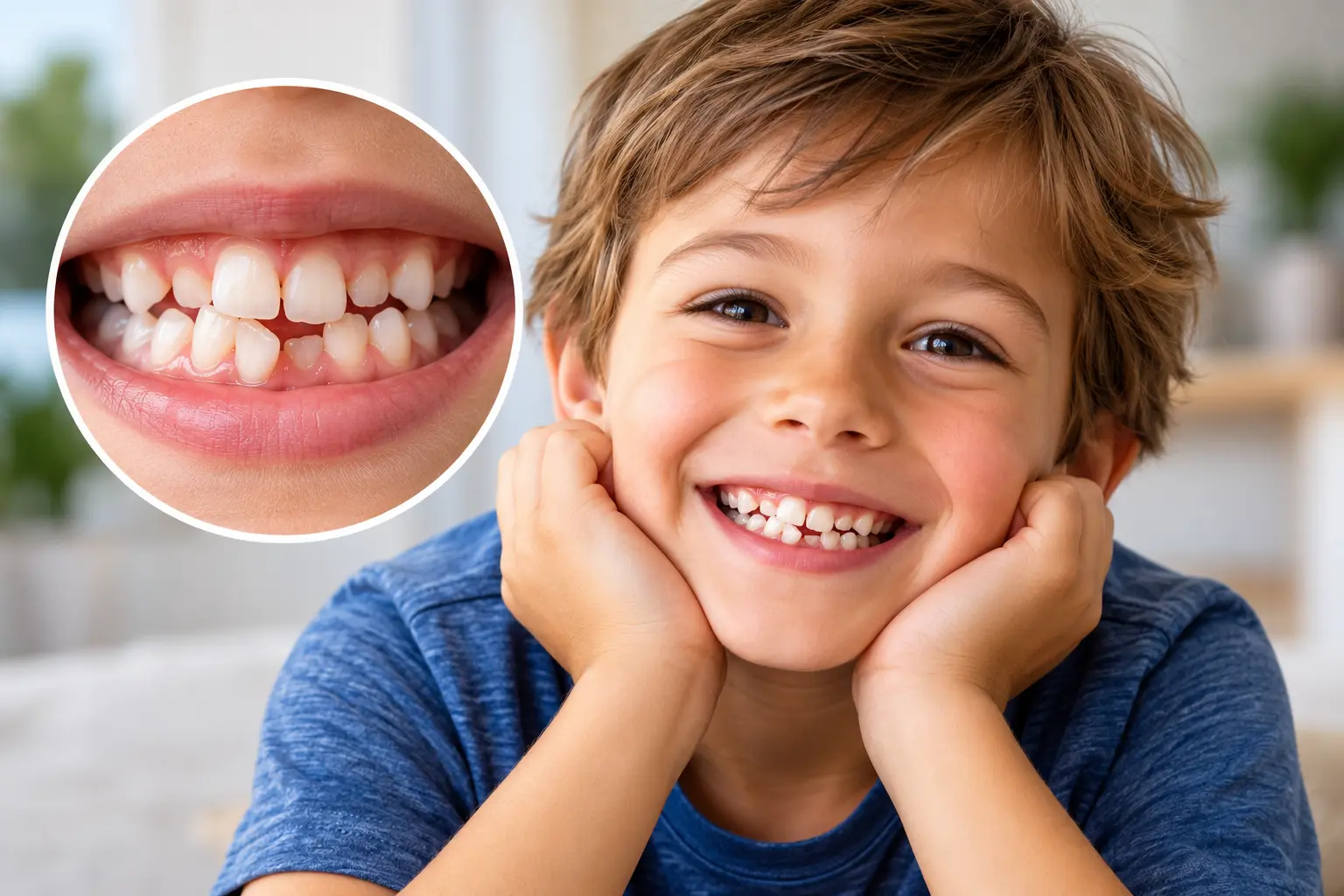

Mouth breathing in children is often overlooked, but it can be an early sign of airway or jaw development issues. While it may seem harmless, breathing through the mouth instead of the nose can affect a child’s sleep, facial growth, and overall health. Recognising this pattern early allows parents to take steps that support healthy development and long-term well-being.
When you see your child sleeping with their mouth open, it might seem innocent or even adorable. However, mouth breathing during sleep is not normal and can have serious consequences on your child’s development.
At MyoWay Center for Kids, we help parents understand the impact of mouth breathing and how early intervention through myofunctional therapy can make a lifelong difference.
The Problem with Mouth Breathing
Breathing through the mouth while asleep may look harmless, but it is a sign that something is not working properly in your child’s airway and jaw development. Mouth breathing is often a result of an underdeveloped jaw, which can lead to improper tongue posture and restricted nasal breathing. This pattern of breathing affects much more than just how your child looks while sleeping.
Effects on Jaw and Facial Development
Children who regularly breathe through their mouth at night tend to develop narrow jaws and longer facial structures. This happens because the tongue is not positioned correctly against the roof of the mouth to help shape the upper jaw during growth.
As the jaw becomes underdeveloped, there is not enough room for all of the permanent teeth to come in correctly, which leads to crooked teeth and often results in the need for orthodontic treatment later on.
Brain Growth and Sleep Quality
Mouth breathing also affects how well your child sleeps. Poor sleep caused by an obstructed airway can lead to oxygen deprivation during crucial periods of brain development. This lack of proper oxygen flow may contribute to attention difficulties, behavioral challenges, and learning struggles. People may mistake attention issues or hyperactivity for a problem when poor sleep prevents your child from getting the rest their body and brain need.
Why Early Intervention Matters
The earlier these signs are recognized and addressed, the better the outcome for your child. Myofunctional therapy is a proven approach that uses gentle exercises and medical-grade tools to support proper jaw growth, tongue posture, and nasal breathing.
At MyoWay, we create customized programs that guide children toward better sleep, improved focus, and lifelong health.
Take the Next Step
Mouth breathing during sleep is not just a habit to grow out of. It is a signal that your child needs support for healthy growth and development. If you notice your child breathing through their mouth at night, snoring, grinding their teeth, or waking up tired, it is time to act.
Book a free consultation today to learn how MyoWay can help your child breathe better, sleep better, and grow stronger.
https://mychart.myoryx.com/patient/#/auth/onlineschedule?realm=myoway&univers=com