Mouth breathing in children is often first addressed by removing physical obstructions like enlarged tonsils or adenoids. While these medical interventions are important and sometimes necessary, they do not always resolve the underlying issue. Many children continue to mouth-breathe even after successful surgery. Nasal breathing in children plays a key role in healthy growth, good sleep, and daily energy. When children breathe through their nose, their body gets better oxygen, and their sleep is more restful. If nasal breathing is not happening, it can affect focus, behavior, and overall development.
The reason is simple. Mouth breathing can become a habit. And like any habit, it must be intentionally retrained.
The Role of Habit in Mouth Breathing
When a child struggles to breathe through their nose due to congestion, allergies, or enlarged tonsils, they naturally shift to breathing through the mouth. Over time, this becomes the default breathing pattern. Even once the physical cause is removed, the body continues using the mouth because it has become a learned behavior.
This is where most traditional approaches stop. They correct the obstruction but do not address the functional side of breathing. That is where myofunctional therapy comes in.
Why Mouth Breathing Matters
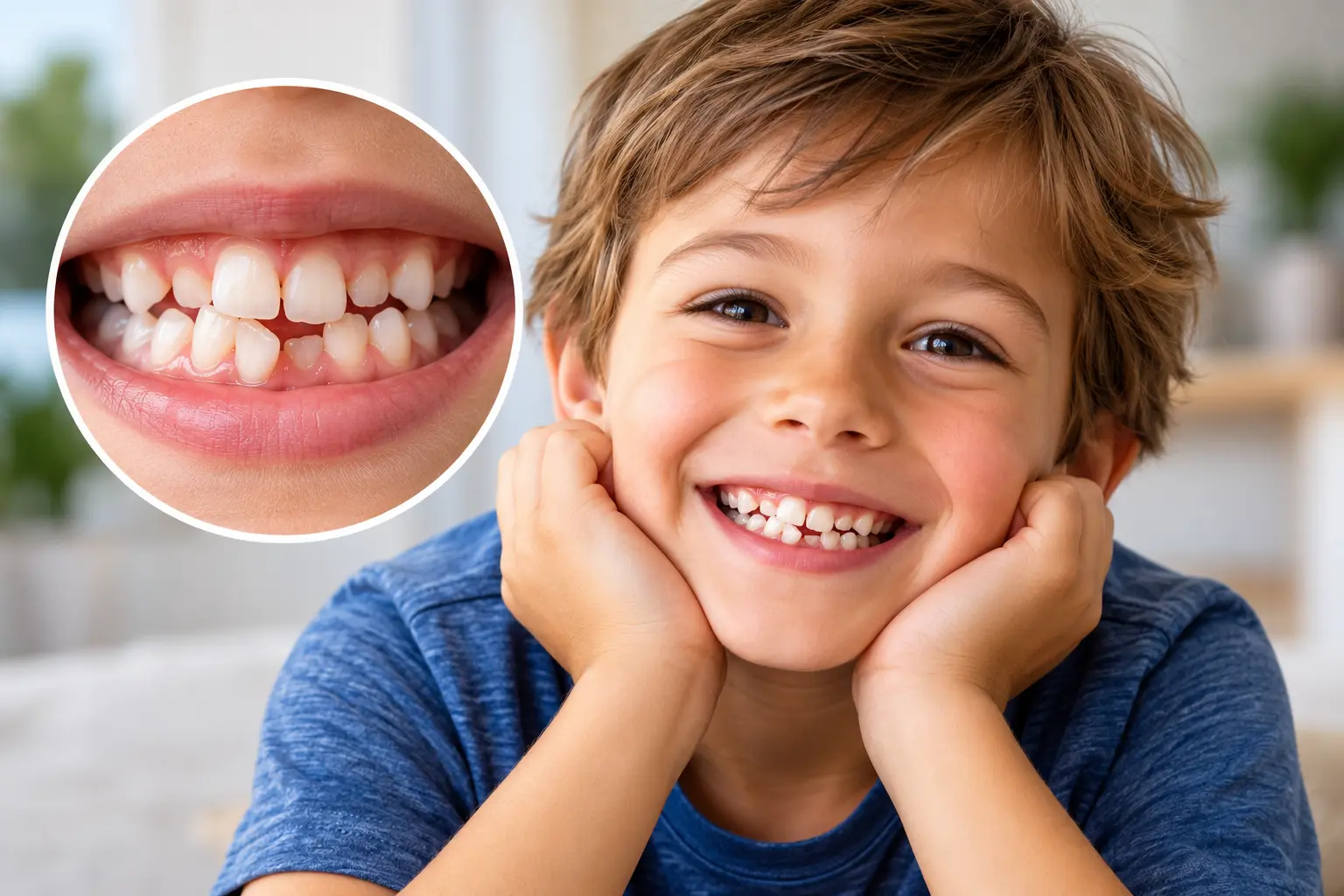
Mouth breathing is not just a surface-level concern. It has a deep impact on a child’s health and development. When children breathe through their mouth instead of their nose, it can lead to:
- Improper jaw growth
- Narrow dental arches
- Poor posture
- Restless sleep and fatigue
- Difficulty focusing
- Increased risk for behavioral and emotional challenges
Nasal breathing, on the other hand, supports healthy facial development, better oxygen delivery to the brain, and more restorative sleep.
How Myofunctional Therapy Helps
Myofunctional therapy is a structured program that retrains breathing patterns and corrects oral posture. At MyoWay Center for Kids, we use therapeutic exercises along with medical-grade appliances to help children restore natural nasal breathing.
Our approach goes beyond treating symptoms. We focus on function. By guiding the tongue to rest properly on the roof of the mouth and strengthening the muscles involved in breathing and swallowing, we help children make long-term changes that support healthy growth and development.
Why Early Intervention Matters
The earlier we address habitual mouth breathing, the better. Children’s bones are still growing, which means there is an ideal window to guide proper development. If a child continues to mouth breathe without intervention, they may never reach their full growth potential.
Early correction not only improves physical health but also enhances sleep, behavior, and cognitive function. Parents who take early action give their children the opportunity to thrive.
How to Get Started
If your child has had their tonsils or adenoids removed but continues to mouth breathe, do not wait and see. MyoWay Center for Kids offers a comprehensive evaluation to assess oral posture, breathing habits, and airway development.
We provide a customized therapy plan using proven techniques and innovative appliances that address the root cause of mouth breathing. Let us help your child breathe, sleep, and grow the right way.
📞 Schedule your consultation today.