
One of the first questions many parents ask before starting pediatric myofunctional therapy is simple. Will my child actually wear the appliances?
It is a fair question. Parents already work hard to keep bedtime calm. Adding something new can feel like one more challenge, especially when a child feels tired, sensitive, or unsure about change.
Many parents picture a struggle. They wonder if their child will refuse the appliances, lose them, or take them out during the night.
That concern makes sense. It also explains why real parent stories matter so much.
A Bedtime Story That Reassures Parents
Recently, a Myoway Centers for Kids parent shared a story that gave other parents a very different picture of what this process can look like.
She went out for the evening and left her daughter with a babysitter. Before leaving, she told the babysitter that her daughter wears appliances at night, but not to worry about them. She planned to handle that part of the bedtime routine when she got home because she did not want the appliances to get misplaced.
When she returned, she went to find the appliances so she could bring them upstairs to her daughter. She checked the usual places but could not find them.
Then she went upstairs to check on her daughter.
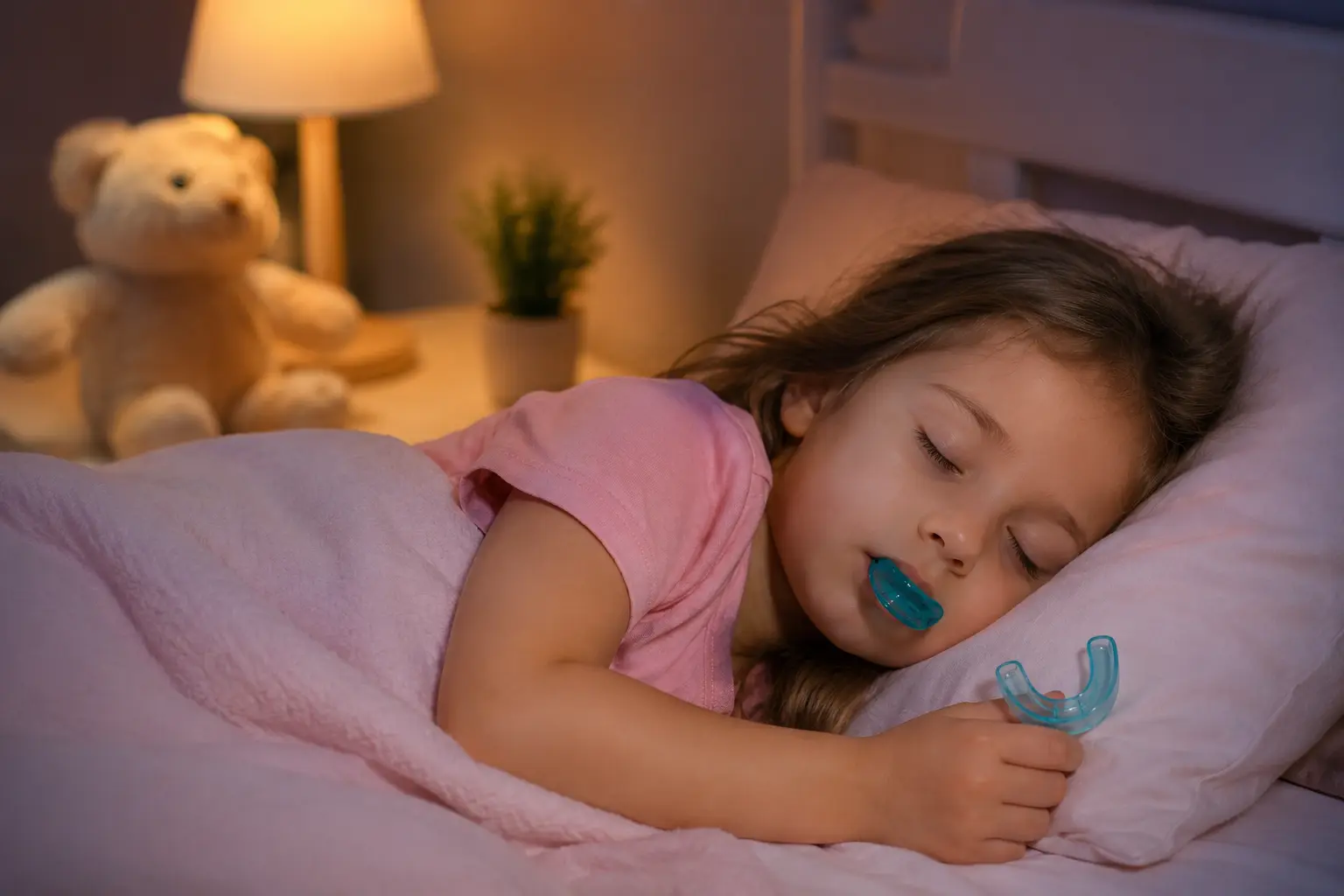
Her daughter had already fallen asleep with one appliance in her mouth and the other held tightly in her hand.
The child had taken ownership of the routine herself. She felt comfortable enough with the appliances that she did not want to go to bed without them.
For parents who wonder whether myofunctional therapy will feel too hard for their child, this story offers real encouragement. Children often adapt better than expected when the process feels safe, comfortable, and familiar.
Can Children Really Adapt to Myofunctional Appliances?
Yes, many children can adapt well to myofunctional appliances when parents and providers introduce them with patience and consistency. The process often works best when the appliances become part of a predictable routine, especially at bedtime.
At Myoway Centers for Kids, pediatric myofunctional therapy supports healthy oral function, jaw growth, airway development, nasal breathing, and sleep quality. The goal is to help children feel comfortable while they build habits that support better function over time.
Parents often think about the appliance itself. They also think about real life. Busy evenings, school mornings, tired children, and new routines all matter. A parent may wonder, “Will this fit into our family’s life?”
That question deserves a clear and honest answer.
The Myoway Centers for Kids approach focuses on education, comfort, and support. When parents understand the purpose behind therapy, they can help their child feel more confident. That confidence can make a meaningful difference.
Why Bedtime Routines Matter
Children do well with routines. A steady bedtime routine helps the body and mind prepare for rest.
For many families, bedtime already includes brushing teeth, changing into pajamas, reading, saying goodnight, and settling in. When parents add myofunctional appliances in a calm and consistent way, the appliances can become part of that same rhythm.
That is what makes this parent story so meaningful. The child did not simply tolerate the appliances. She wanted them as part of her bedtime routine.
That shift matters.
When a child sees an appliance as familiar instead of frightening, bedtime can feel less stressful. Repetition also helps children know what to expect. Over time, the appliance can become part of how the child gets ready for sleep.
Many parents assume success depends on strict reminders. In many cases, success comes from comfort, consistency, encouragement, and trust.
What Pediatric Myofunctional Therapy Supports
Pediatric myofunctional therapy looks at how the tongue, lips, cheeks, jaw, and airway work together. These functions may seem small, but they can play an important role in how a child breathes, sleeps, grows, and develops.
At Myoway Centers for Kids, therapy supports healthy jaw growth, airway development, nasal breathing, oral muscle function, proper tongue posture, lip seal, sleep quality, and early growth guidance.
The goal is not only to look at teeth. It is to look at the function behind growth.
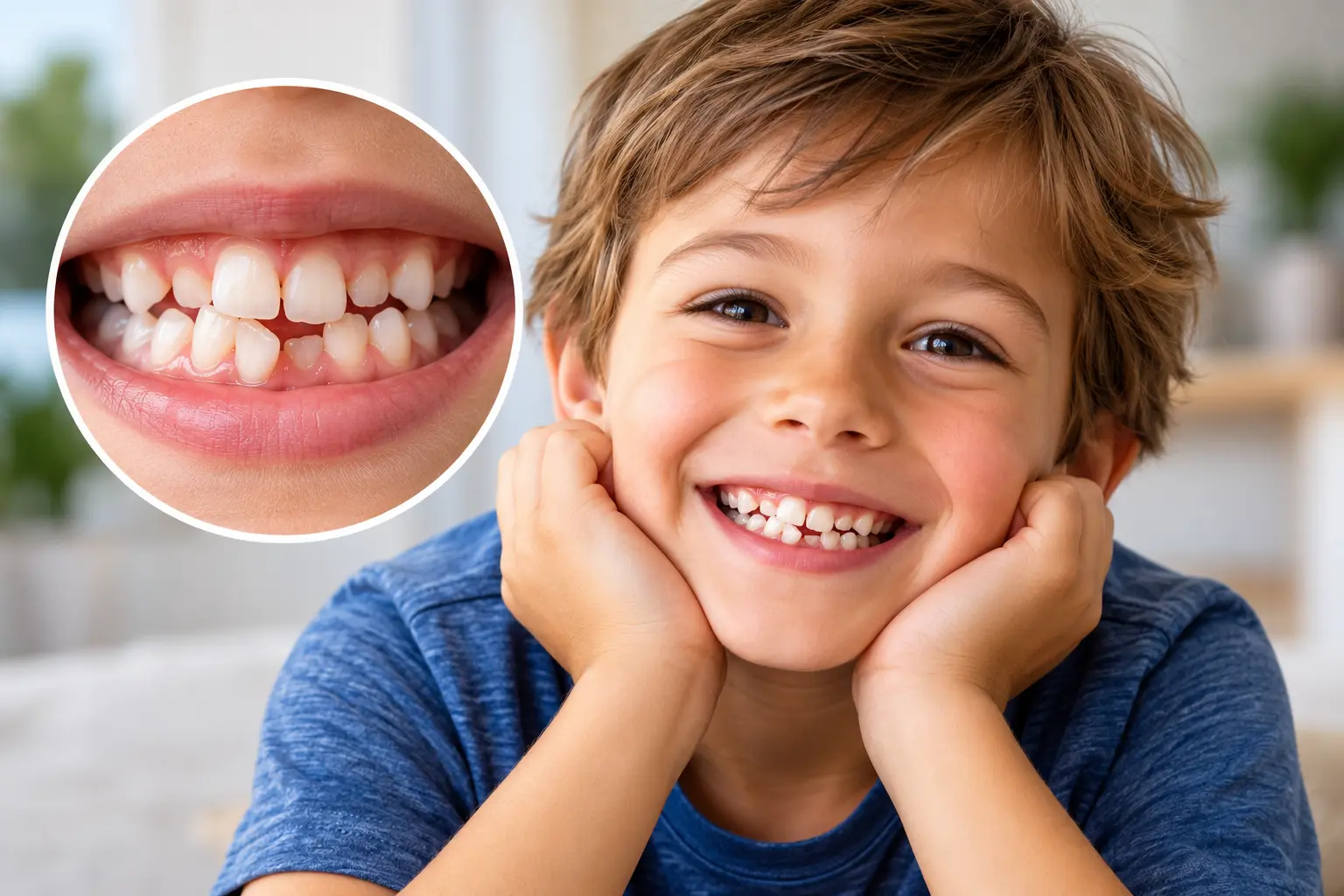
A child with crowded teeth, mouth breathing, restless sleep, or poor tongue posture may need a closer look at jaw and airway development. These signs do not appear the same way in every child, so an evaluation can help parents understand what may be happening.
Myoway Centers for Kids uses structured pediatric myofunctional therapy and medical-grade appliances to support healthier function while a child is still growing.
Why Airway Development and Jaw Growth Are Connected
The mouth, jaw, tongue, and airway work closely together. When a child breathes through the nose, keeps the tongue in a healthy resting position, and has enough room for the jaw to grow, the body has better support for rest and development.
When these patterns do not work well, parents may notice mouth breathing, snoring, restless sleep, teeth grinding, crowded teeth, open mouth posture, daytime tiredness, trouble focusing, or behavior changes connected to poor sleep quality.
These signs can be easy to overlook. A tired child may look hyperactive. A child who does not sleep well may struggle with focus. A child who breathes through the mouth may seem like they simply have a habit.
Sometimes, these patterns point to a deeper functional concern.
This does not mean every child with these signs needs the same care. It does mean parents should understand the connection between breathing, sleep, jaw growth, and oral function. An early evaluation can help families decide whether myofunctional therapy may be appropriate.
Why Children Often Adapt Better Than Parents Expect
Children learn new routines all the time. They learn to brush their teeth, wear shoes, follow classroom expectations, and take responsibility for daily habits. Myofunctional appliances can become part of that same learning process when the child feels supported.
The way parents and providers introduce the process matters. A calm routine helps. A confident parent helps. A comfortable appliance helps. A care team that understands children also helps.
The Myoway Centers for Kids parent story shows what can happen when a child feels ownership. Her mother was not home to remind her. No one forced the moment. The child chose the routine because it had become familiar.
That kind of confidence is powerful.
Some children may adapt quickly. Others may need more time. Both experiences can be normal. The goal is not pressure. The goal is steady support.
Reframing the Fear Around Appliance Compliance
Many parents begin with this concern.
“My child will not wear this.”
A more helpful way to look at it is this.
“My child may need support while learning something new.”
That small shift changes the experience. Learning a new routine takes time. Children may need reminders, reassurance, and encouragement before the routine feels natural.
That does not mean the process is failing. It means the child is learning.
At Myoway Centers for Kids, the goal is to help families build a routine that feels realistic and supportive. Children need guidance, consistency, and a team that understands pediatric care.
Why Early Intervention Can Make a Difference
Many families hear that they should wait until a child gets older before addressing orthodontic concerns. Waiting may seem easier in the short term. However, oral function, breathing patterns, jaw growth, and sleep habits begin developing much earlier.
Early intervention does not mean rushing into care. It means asking better questions sooner.
How does the child breathe at night? Does the child sleep with an open mouth? Does the child snore or grind teeth? Does the child wake up tired? Does the jaw have enough room to grow? Could sleep quality affect focus, mood, or behavior?
These questions help parents make informed decisions. They also help identify children who may benefit from support while growth is still happening.
Pediatric myofunctional therapy does not focus on waiting for concerns to become bigger. It focuses on supporting function early so growth has a better foundation.
What This Story Means for Parents
This story matters because it gives parents hope.
It shows that a child can become comfortable with myofunctional appliances. It also shows that therapy can become part of a routine instead of a nightly battle. Most of all, it shows that children may respond with more confidence than parents expect.
For a nervous parent, that matters.
You may wonder whether your child is too young, too sensitive, too active, or too resistant. You may worry that bedtime already feels hard enough. You may feel unsure about whether this type of therapy could fit into your family’s life.
Those concerns are valid.
This story does not promise that every child will respond in the exact same way. Every child is different. However, it does show that children can adapt when care is designed around them.
That is why a child-centered approach matters so much.
When to Consider a Myoway Centers for Kids Consultation
A consultation may help if your child shows signs that breathing, sleep, jaw growth, or oral function need attention.
Parents often reach out when they notice mouth breathing during the day or night, snoring, noisy breathing during sleep, restless sleep, teeth grinding, crowded teeth, open mouth posture, trouble waking up rested, daytime tiredness, focus concerns, or early orthodontic concerns.
A consultation gives parents a chance to ask questions and better understand what they see at home. It can also help families learn whether Myoway Centers for Kids may be an appropriate fit for their child.
The goal is not to create fear. The goal is to give families clarity.
Frequently Asked Questions
Will my child actually wear myofunctional appliances?
Many children can learn to wear myofunctional appliances successfully when the process starts with patience, comfort, and consistency. Some children need more time than others, but a supportive routine can make the experience feel much more manageable.
Are myofunctional appliances uncomfortable for children?
Each child responds differently, but the goal is to make the appliance routine feel approachable and child-friendly. At Myoway Centers for Kids, the process focuses on comfort, encouragement, and clear guidance.
Why would a child need pediatric myofunctional therapy?
A child may benefit from an evaluation if parents notice mouth breathing, poor tongue posture, jaw growth concerns, airway development concerns, sleep quality issues, or early orthodontic patterns. Myofunctional therapy supports healthier oral function while the child is still growing.
Can myofunctional therapy support better sleep quality?
Pediatric myofunctional therapy may support better sleep quality by encouraging nasal breathing, healthy oral function, and airway development. Because every child is different, an evaluation offers the best way to understand whether this approach may be appropriate.
What is the connection between mouth breathing and jaw growth?
Mouth breathing can affect oral posture, tongue position, and facial growth patterns. When the tongue does not rest in a healthy position and the mouth stays open often, the jaw may not receive the same natural support for growth.
Is Myoway Centers for Kids only for children with crowded teeth?
No. Crowded teeth can be one sign that growth and function need attention, but Myoway Centers for Kids also looks at breathing patterns, sleep quality, oral posture, jaw development, and airway support.
When should parents ask about early orthodontics or airway development?
Parents should ask questions early if they notice mouth breathing, snoring, restless sleep, teeth grinding, crowded teeth, or open mouth posture. Early conversations can help families understand whether support may help before concerns become more established.
Helping Your Child Build a Healthier Bedtime Routine
Parents often start this process with one big concern.
Will my child really wear the appliances?
The answer may be more encouraging than they expect.
The Myoway Centers for Kids parent who found her daughter asleep with one appliance in her mouth and the other held in her hand saw something many parents hope for. Her child had accepted the routine. More than that, she had taken ownership of it.
That kind of confidence grows when therapy feels safe, consistent, and designed for the child.
Myoway Centers for Kids helps families understand the connection between pediatric myofunctional therapy, mouth breathing in kids, airway development, jaw growth, nasal breathing, early orthodontics, and sleep quality.
If you are wondering whether Myoway Centers for Kids may be right for your child, a consultation can help you better understand what is happening and what options may be available.
Book your free consultation in under 5 minutes.
https://mychart.myoryx.com/patient/#/auth/onlineschedule?realm=myoway&univers=com