Bedwetting is often dismissed as a normal stage of development. However, many parents are surprised to learn that it can be a sign of a deeper issue.
At MyoWay Center for Kids, we frequently see a strong connection between mouth breathing and nighttime accidents. When a child breathes through the mouth, especially during sleep, it affects more than just their breathing. It can interfere with the brain’s ability to control the bladder.
Why Mouth Breathing Affects Bedwetting
Mouth breathing means less oxygen is getting to the brain. This low oxygen level can disrupt important brain functions, including the ability to manage bladder control during sleep.
At night, the brain releases a hormone that helps reduce the amount of urine the body produces. If the brain does not receive enough oxygen, it may not release this hormone properly. As a result, the child may produce more urine while sleeping and not be able to stay dry. This is not about poor toilet training or laziness. It is a biological issue that deserves attention and care.
How the Brain and Bladder Work Together
The bladder depends on the brain to send and receive clear signals. When the brain is not functioning at its best due to poor oxygen intake, those signals can be delayed or weakened. This makes it harder for the child to recognize the need to wake up and use the bathroom. Mouth breathing during the day or night can interfere with this entire process.
How Myofunctional Therapy Can Help
At MyoWay, we use a gentle and structured program to help children improve the way they breathe and use their oral muscles. Our therapy focuses on:
- Teaching children to keep their lips closed at rest
- Training them to breathe through the nose
- Strengthening the tongue and jaw muscles
These changes lead to better oxygen flow to the brain. This helps restore the brain’s ability to control the bladder at night and often leads to fewer or no bedwetting episodes.
When to Seek Help
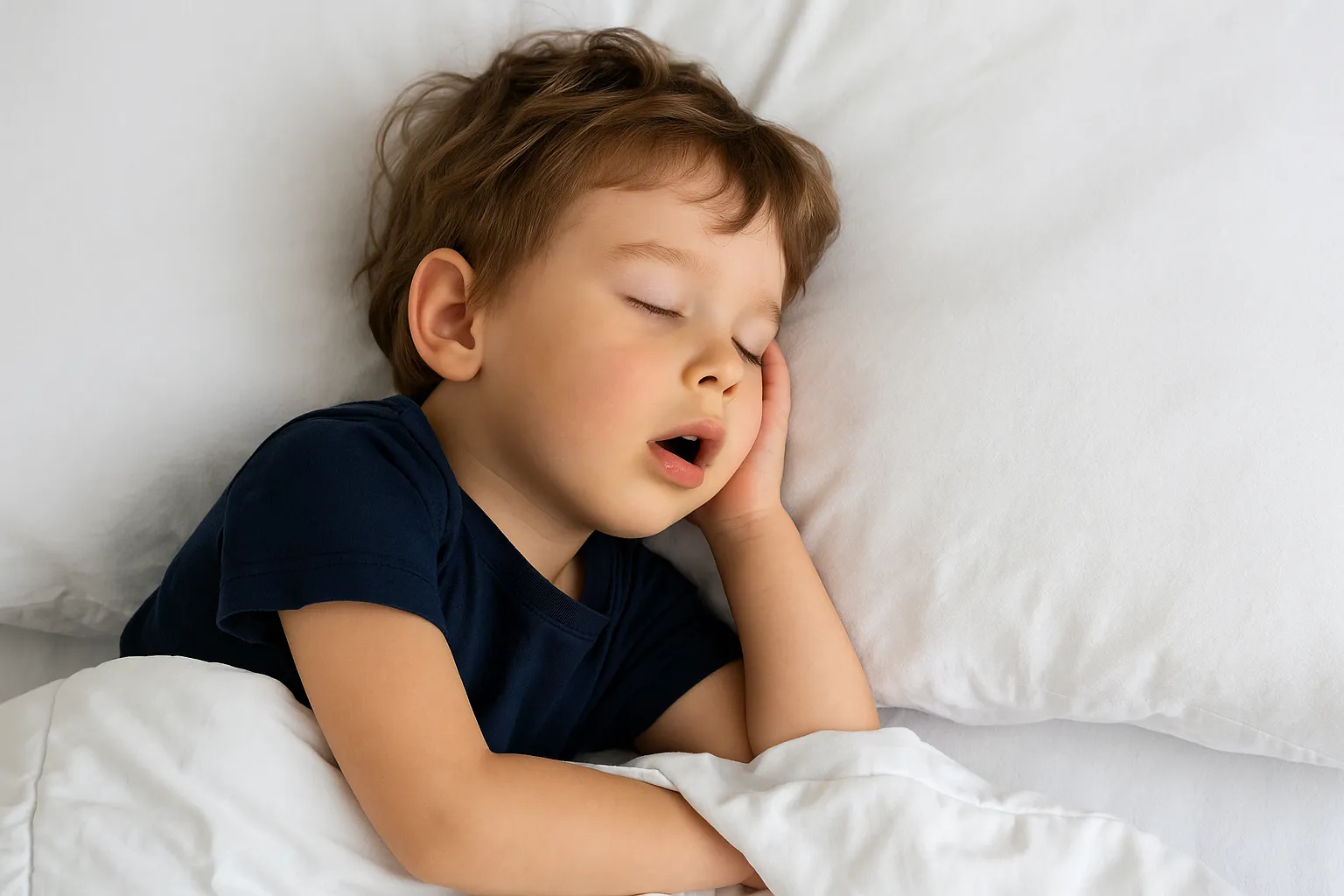
If your child is older than five and still wets the bed regularly, this could be a sign of an underlying issue. Other signs to watch for include snoring, mouth breathing during sleep, teeth grinding, or frequent restlessness at night.
Early support can make a big difference.
Start the Path to Dry Nights
At MyoWay, we believe in solving the root problem, not just managing the symptoms. By helping children breathe better and sleep better, we improve their overall health and confidence.
Book a Free Consultation Today
Let us help your child wake up feeling proud and well-rested. https://mychart.myoryx.com/patient/#/auth/onlineschedule?realm=myoway&univers=com